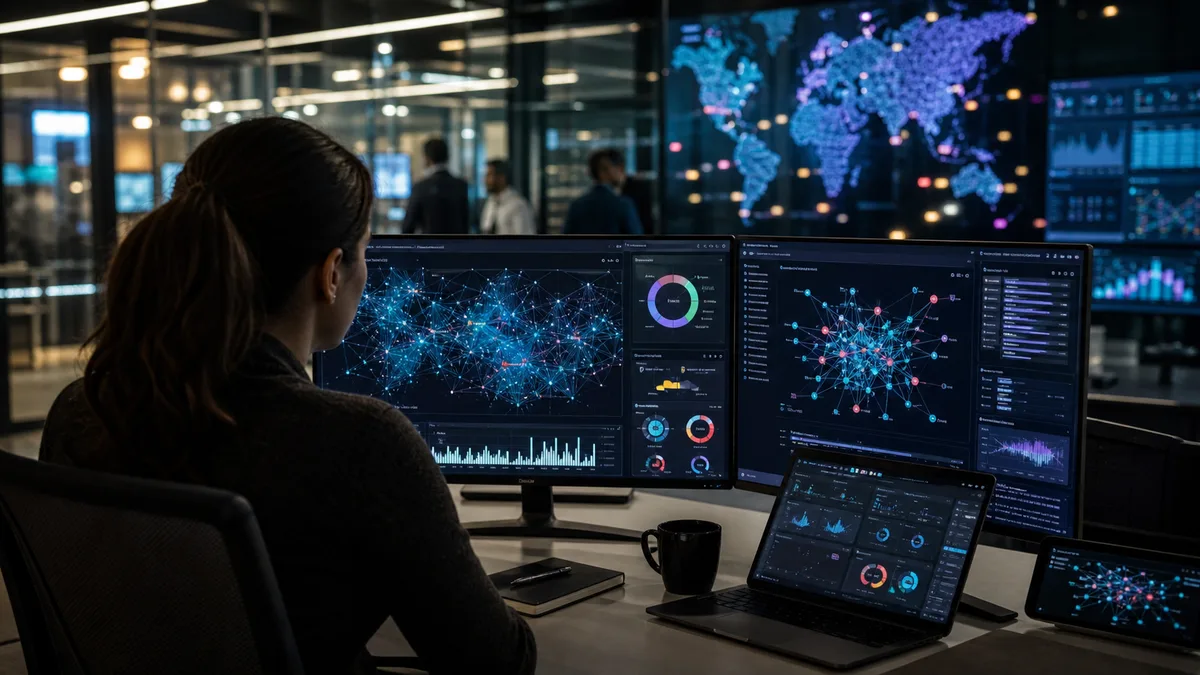
36Kr's report on AI investment patterns, including attention around video-model companies, shows that generative video is becoming infrastructure rather than a novelty. The market is no longer impressed only by a short clip that looks realistic. It wants controllable production workflows.
That shift is important because video models are expensive to train, expensive to run, and difficult to integrate into professional work. A useful system needs prompting, editing, character consistency, scene control, rights management, and predictable output quality.
The thread also links naturally to our earlier look at the OpenAI conversational AI leak. For this post, 36Kr Kling AI Funding Report Shows Video Models Becoming Serious Infrastructure makes that connection specific to 36Kr: the rumor or report is only useful when it is read beside product timing, component pressure, and the user trust problem around Video Models.
The current report from 36Kr looked at AI investment activity and how capital is flowing toward the intelligent-agent and model infrastructure era. That source detail gives the article a concrete starting point, but the bigger value is in reading what the report says about the product category around it.
For creators and businesses, the appeal is speed. Product videos, ads, storyboards, training material, and social content can move faster if AI handles drafts or variations. The risk is that poor control creates more cleanup work than it saves.
What makes this worth separating from a normal news brief is the way it changes near-term expectations. 36Kr Kling AI Funding Report Shows Video Models Becoming Serious Infrastructure is really about timing, confidence, and execution. A small leak can be forgettable, but a leak that points to supply, policy, capacity, or launch positioning can shape how buyers and rivals prepare.
Video generation is harder than image generation because time matters. Objects must stay consistent, motion must make sense, physics cannot break too obviously, and the model has to follow direction across many frames.
Funding is chasing the companies that can turn raw generation into repeatable production tools. The winners may not be the models with the most viral demos, but the platforms that fit into agencies, game studios, education, and ecommerce workflows.
Another angle worth keeping in mind is audience behavior around 36Kr. People following 36Kr Kling AI Funding Report Shows Video Models Becoming Serious Infrastructure are no longer waiting passively for official launch slides; they compare leaks, supplier moves, policy signals, and early pricing clues before deciding what to buy, build, or avoid.
Video AI still faces copyright, likeness, cost, and quality challenges. Many teams will use it for drafts before they trust it for final public work.
The next phase will be workflow control: shot continuity, editable layers, brand-safe assets, and predictable pricing. When video models solve those problems, they become part of the creative stack, not a toy.
The practical reading is therefore cautious but not dismissive. For 36Kr, the headline is the new development. For readers following Kling AI, the more durable point is whether the companies involved can turn that development into something reliable, understandable, and worth paying attention to after the first leak cycle fades.