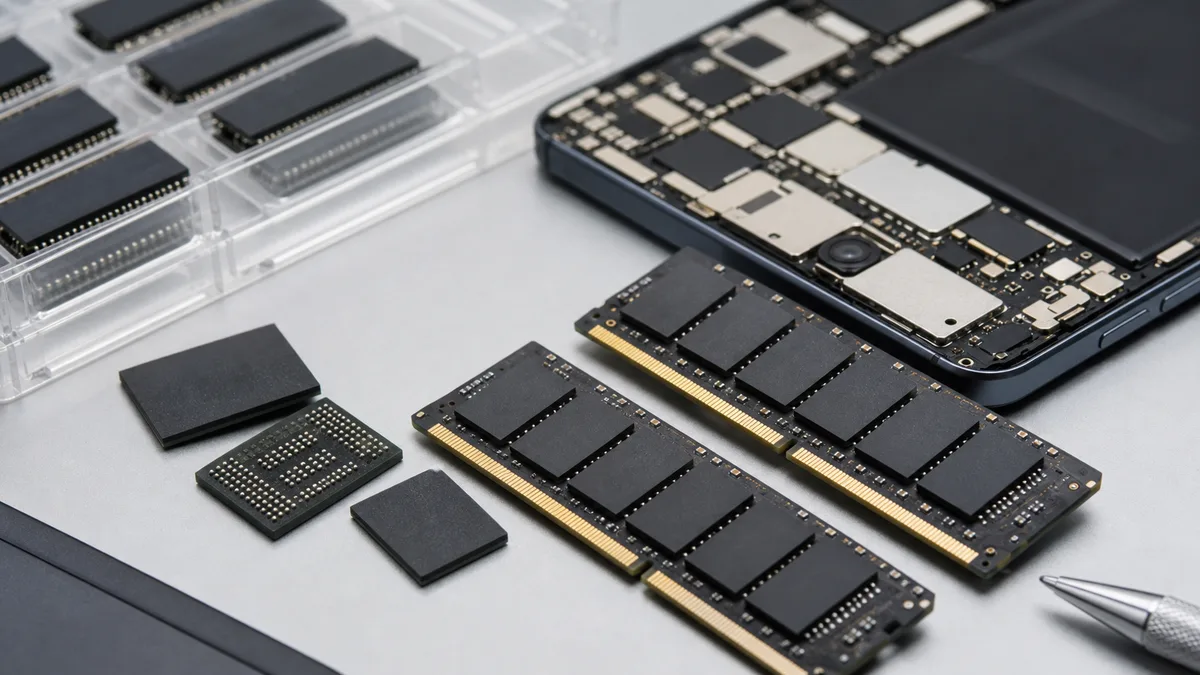
The reported Apple request to buy memory from China's CXMT is not just another supplier rumor. It sits at the intersection of rising memory prices, AI hardware demand, geopolitical pressure, and iPhone margins. Apple is famous for squeezing component costs and diversifying suppliers. If memory prices are climbing fast enough to force new conversations, that says a lot about the stress in the broader device market.
Memory has become more strategic because phones are being asked to run heavier local AI, better camera pipelines, and longer software support cycles. More RAM is not just a marketing line anymore. It can affect which features ship, how long a device feels fast, and how much Apple can separate Pro models from cheaper iPhones.
MyDrivers reported in Chinese that Apple has requested procurement of CXMT memory chips as memory-price pressure rises. The report should be treated as supply-chain reporting rather than confirmed Apple policy, but the direction is plausible.
This connects with our earlier Apple and CXMT DRAM analysis. The same issue keeps returning because AI-era memory demand is changing the bargaining power of suppliers and forcing device makers to rethink long-standing sourcing assumptions.
The geopolitical layer is unavoidable. Apple must balance cost, capacity, quality, export rules, and public perception. A new memory source can reduce dependence on existing suppliers, but it can also invite scrutiny. That makes the decision more complicated than simply buying the cheapest part that passes validation.
For consumers, the effect may appear as pricing, model segmentation, or RAM differences across the iPhone lineup. If memory stays expensive, Apple may preserve margins by reserving larger configurations for premium models. That would make AI features part of the upsell even when the software story sounds universal.
The report is important because it shows supply-chain pressure becoming visible at the product level. The iPhone's next competitive edge may depend as much on memory sourcing as on camera sensors or chip design. In an AI-heavy cycle, the quiet DRAM decision can shape the headline feature list.
The validation process would be demanding. Apple cannot drop a new memory supplier into the iPhone without checking endurance, thermals, power behavior, yield, and compatibility across millions of devices. That is why even a request or evaluation can be news. It signals where Apple is looking for leverage before any final procurement decision becomes visible.
Memory sourcing also affects Apple's negotiation posture with existing suppliers. Even exploring alternatives can create leverage, especially when component markets tighten. The company has used multi-supplier strategies across displays, modems, cameras, and assembly for years. DRAM may now be entering a similar phase of visible strategic pressure. Whether CXMT becomes a major supplier or not, the report shows Apple looking for optionality before the next AI-heavy iPhone cycle.
Suppliers will read the signal closely. If Apple appears willing to widen its memory pool, other buyers may try similar moves or renegotiate existing contracts. That can ripple through the market before any iPhone actually ships with a new component. Supply-chain rumors matter because they influence behavior long before final sourcing becomes public.