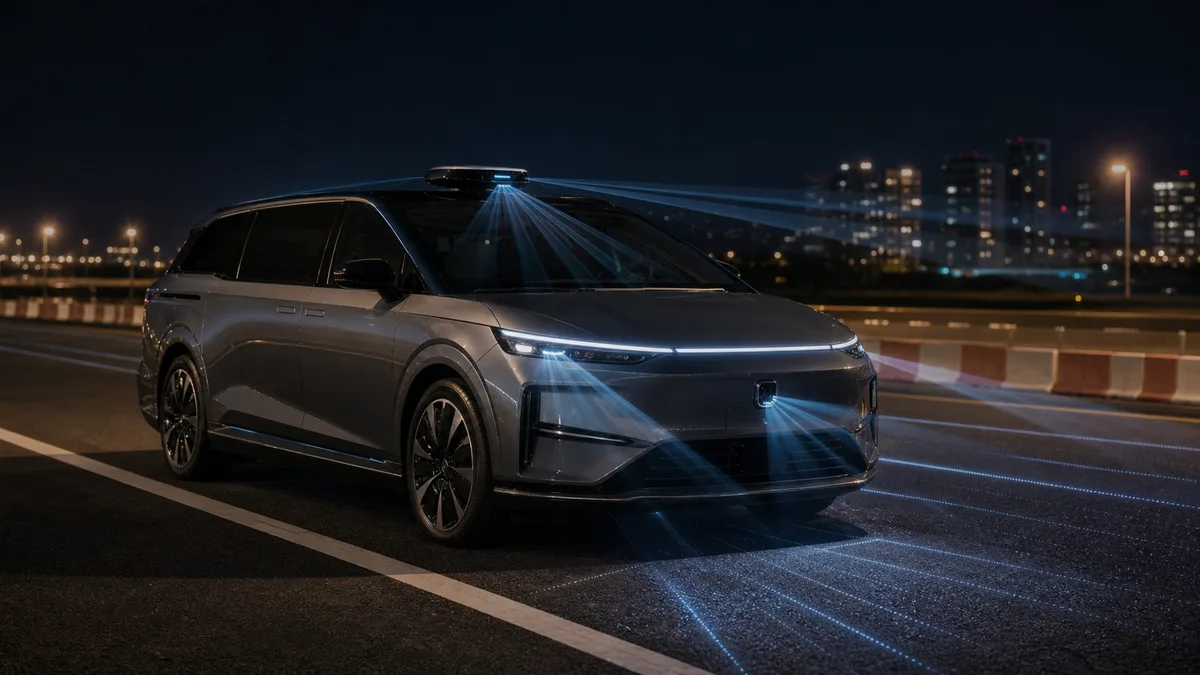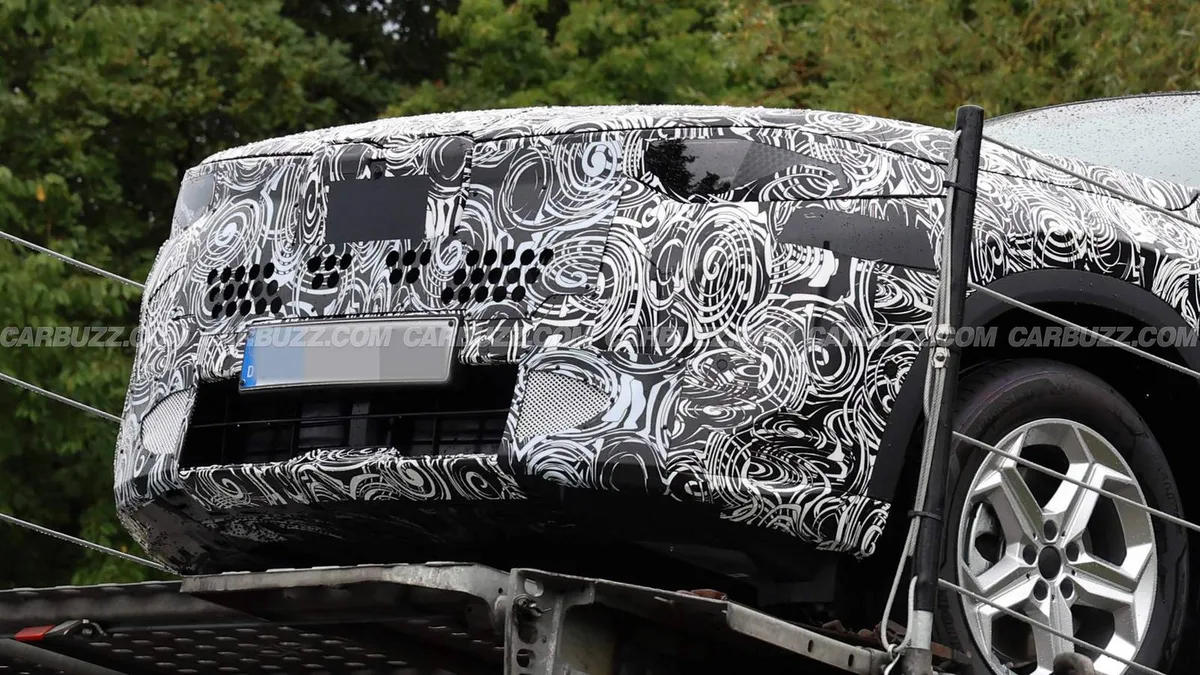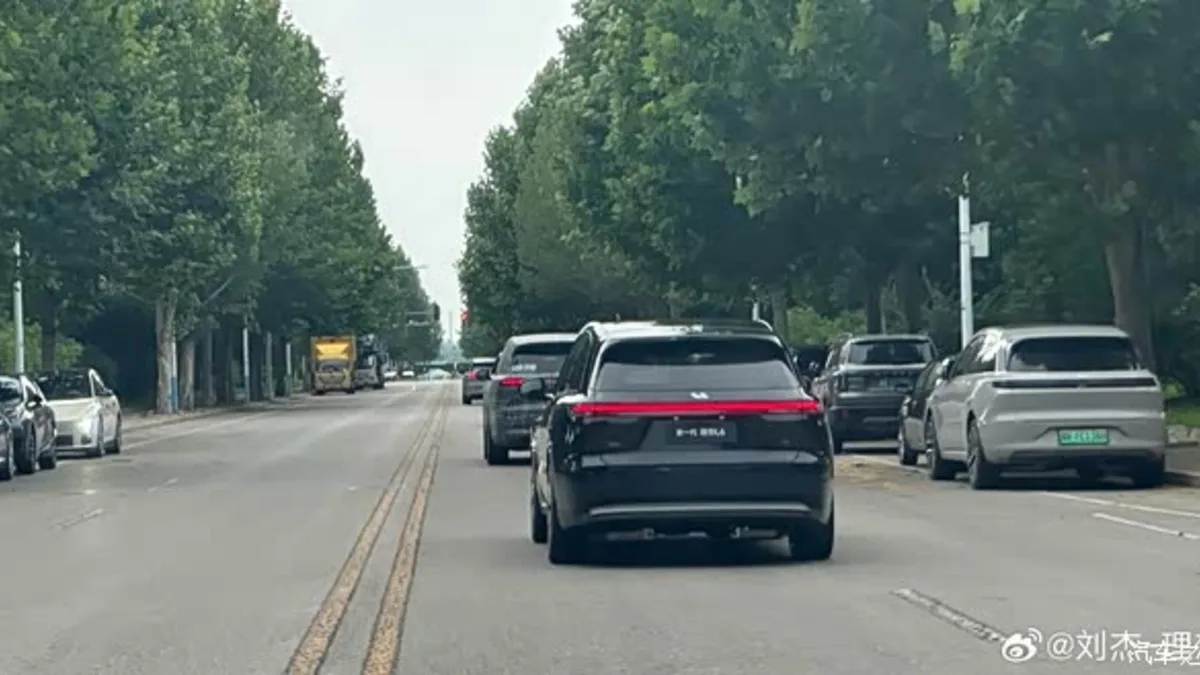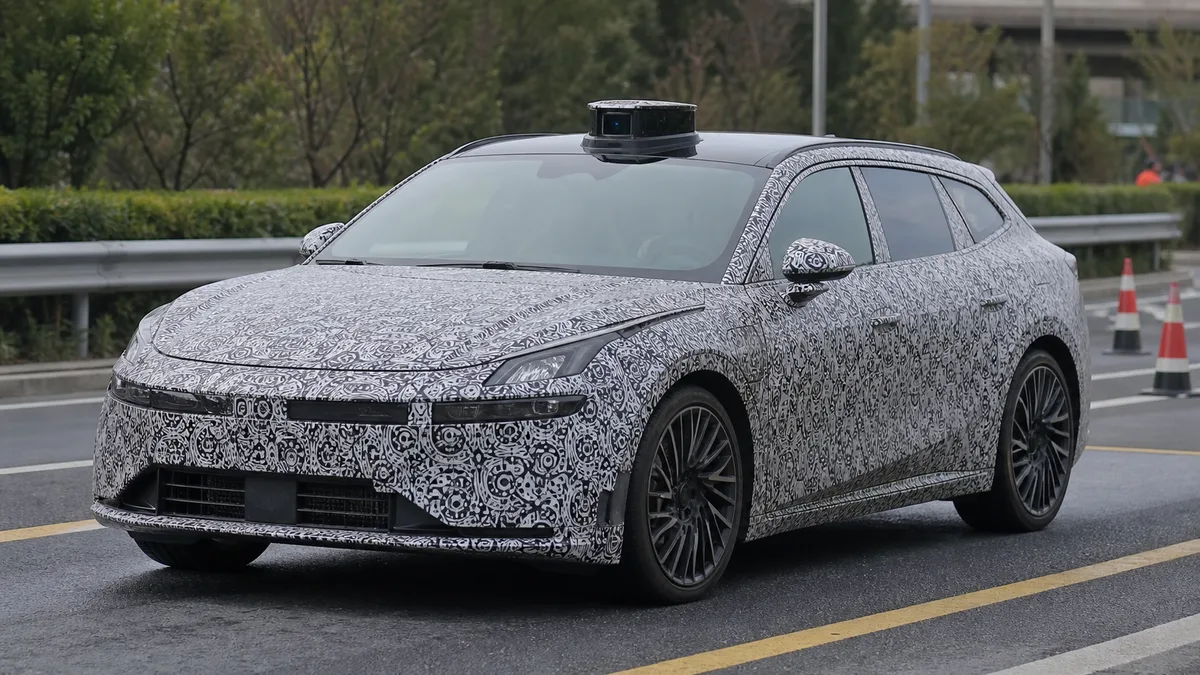
The Lynk 07GT spy-photo report is notable because the roofline lidar detail says more than a badge or trim clue. In China's smart-car market, visible sensor placement has become part of the product message, telling buyers that driver assistance is central rather than optional.
A GT-style model also has to manage identity. It needs to look sleeker than a standard sedan or crossover, while still offering the cabin space, electric hardware, and software features that modern Chinese buyers expect.
The report fits with our earlier look at Chinese smart-car technology signals. Roof hardware, cabin interfaces, and AI-assisted driving features are all becoming visible ways to read where a vehicle is heading.
汽车之家 surfaced the 07GT road-test photos through Chinese automotive coverage, with the key detail being the top-mounted lidar and possible launch timing. Even without full specifications, those images point to a car built around assisted-driving credibility.
The technical question is whether the lidar is part of a high-end trim or a broader standard package. A sensor on the roof looks impressive, but the software stack, compute platform, camera coverage, and map strategy decide how useful it becomes.
For buyers, lidar can signal confidence in highway and urban driver assistance. It can also raise expectations, which means the system has to behave smoothly in traffic rather than only perform well in controlled demos.
The competitive pressure is intense. Zeekr, Xiaomi, Nio, Xpeng, BYD sub-brands, Huawei-backed models, and traditional automakers are all using smart-driving features to stand out.
There is still a design tradeoff. Roof lidar can affect styling, wind noise, cost, and repair expense. The best execution makes the hardware look intentional instead of added late in development.
The next useful evidence will be interior photos, sensor count, battery information, and whether Lynk positions the 07GT as a performance model, family tech car, or both.
A roof-mounted sensor can also shape ownership costs. Windshield cameras, bumpers, and lidar modules may require calibration after repairs, and buyers are becoming more aware of that. Lynk will need to make the smart-driving hardware feel valuable enough to justify any added insurance or service complexity.
Cabin software will matter just as much as the sensor. A lidar-equipped car that communicates poorly with the driver can feel less safe than a simpler system with clear alerts. The 07GT's success will depend on whether Lynk turns visible hardware into a calm and understandable driving experience.
The GT label raises expectations for road manners too. A car can carry advanced sensors and still disappoint if steering, brake feel, ride comfort, or body control feel ordinary. Lynk has to make the technology and driving character support each other rather than compete for attention.
Because this is still a spy-photo story, the safest reading is directional. The lidar placement suggests intent, but final trim strategy, software capability, and regional availability will determine whether the 07GT becomes a serious smart-driving entry.
The spy photos suggest the 07GT is not only about shape. It is another sign that Chinese car launches are being judged by visible intelligence as much as horsepower or screen size.