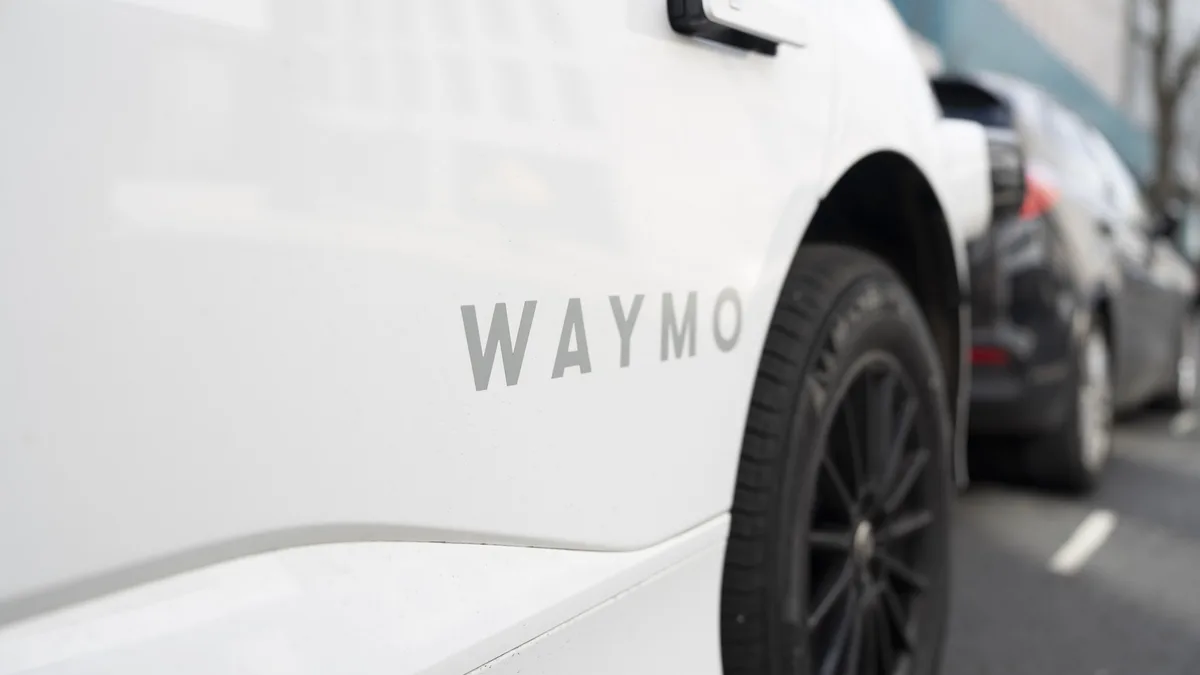
Autonomous Vehicle Warning Puts Emergency Scenes Back in the Spotlight is a useful signal because federal safety officials are telling autonomous-vehicle companies that emergency scenes cannot be treated as rare edge cases. The important part is not only the fresh headline around autonomous vehicles and first responders. It is the way the TechCrunch report changes expectations for cars and mobility hardware, especially for people who make buying, development, or policy decisions before companies finish the official story.
The immediate lesson from autonomous vehicles and first responders is that small details now carry a lot of weight. In the TechCrunch case, the useful clue is not a generic rumor marker; it is a current signal that buyers and competitors can use to judge where this specific product category is going next.
The TechCrunch report is useful because it captures the current autonomous vehicles and first responders shift before slower official positioning has time to flatten the important details. A careful article about autonomous vehicles and first responders should avoid turning one report into a final verdict, but it should also not ignore why this detail is moving now. Fresh timing matters here because companies, regulators, suppliers, and users are reacting while the facts around autonomous vehicles and first responders are still settling.
The current reference comes from TechCrunch, and the reason it deserves attention is the specific shape of the claim around autonomous vehicles and first responders. Read narrowly, the TechCrunch item is one report about one moving detail. Read in context, autonomous vehicles and first responders shows how a product decision, model release, or platform change can alter expectations around reliability, cost, and trust.
There is also a clear connection between autonomous vehicles and first responders and earlier coverage of robotaxi hardware clues. The same kind of pattern keeps showing up across phones, cars, AI services, chips, and developer platforms, but the pressure point in this article is autonomous vehicles and first responders. The clue around autonomous vehicles and first responders is not isolated; it belongs to a larger contest over defaults, data, hardware limits, or user confidence.
For everyday users watching autonomous vehicles and first responders, the practical question is simple: does this change make the product easier to trust, easier to afford, or easier to use? If the answer is unclear for autonomous vehicles and first responders, the detail still matters because it may influence upgrade timing. In this case, the clue around autonomous vehicles and first responders can change when people decide to wait, switch, or buy.
For companies around cars and mobility hardware, the pressure from autonomous vehicles and first responders is different. They have to decide whether to respond quickly, stay quiet, or let the official launch cycle carry the message around autonomous vehicles and first responders. That decision can be risky for autonomous vehicles and first responders. Moving too fast can overpromise; moving too slowly can let the TechCrunch report define the product before the company does.
Vehicle reports about autonomous vehicles and first responders need extra caution because prototype packaging, supplier options, and regional launch plans often change before retail delivery. That is why autonomous Vehicle Warning Puts Emergency Scenes Back in the Spotlight should be treated as a live market signal rather than a finished product review. Stronger confirmation for autonomous vehicles and first responders will come from repeated evidence: public documentation, hands-on testing, retail listings, regulatory filings, or statements from the companies involved.
The bigger takeaway from autonomous vehicles and first responders is that tech news is becoming less dependent on staged announcements. In this TechCrunch story, users are learning from the kind of support page, source-code clue, beta screen, supply-chain report, investor document, or regional media detail that often appears before a polished keynote arrives. autonomous vehicles and first responders fits that shift because it gives readers a concrete detail to watch while the story continues to develop.
If the reported direction around autonomous vehicles and first responders holds, this will be remembered less as a one-day headline and more as another example of how quickly expectations form around modern technology. The right response is not hype or dismissal. It is to track the next piece of evidence and ask whether autonomous vehicles and first responders changes real behavior: what people buy, what developers build, what companies ship, and what users are willing to trust.