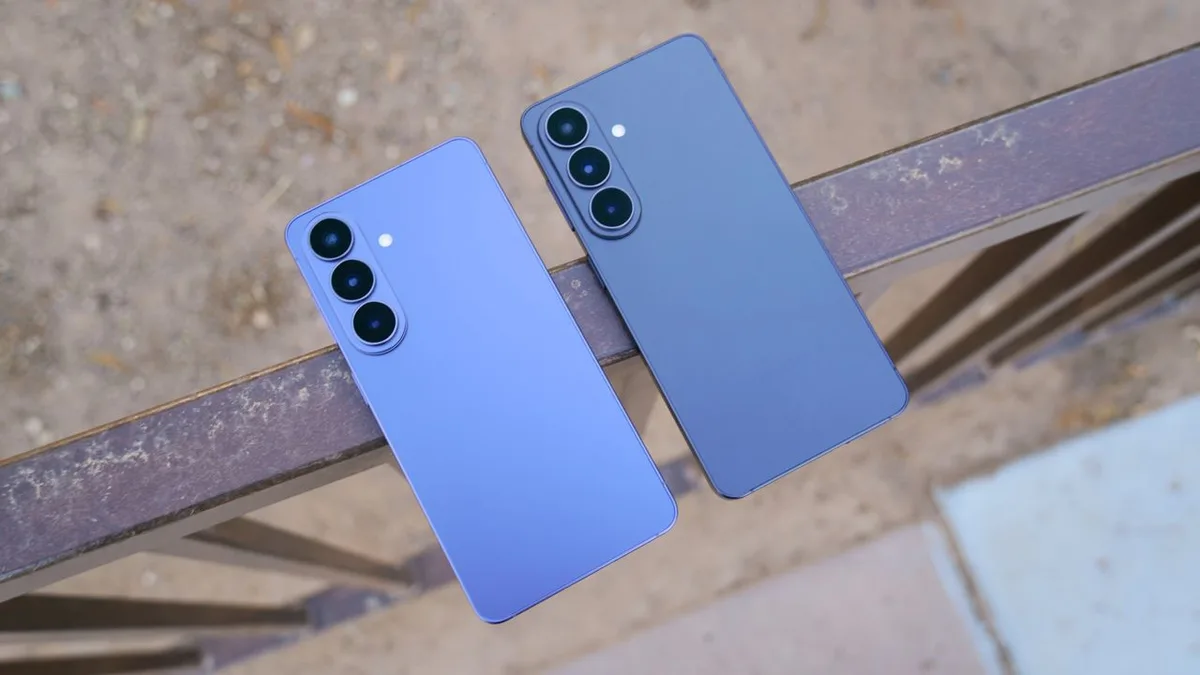
The Galaxy S27 rumor cycle is starting with a practical question rather than a flashy feature: how much room does Samsung really have to upgrade the base model if component prices keep rising? That may sound less exciting than a camera leak, but it is the kind of issue that decides what buyers actually get. Every extra dollar spent on memory, storage, silicon, or display hardware has to come from somewhere.
Samsung usually keeps the standard Galaxy S model more conservative than the Ultra. That is not new. The base phone is designed for people who want the premium Galaxy name, a manageable size, and a lower entry price. The problem is that buyers still expect visible progress every year. If the Galaxy S27 looks too similar to the Galaxy S26, Samsung will need a stronger argument than simple refinement.
Cost pressure makes that argument harder. Memory prices have been rising across the industry, and the same pressure touches phones, gaming handhelds, PCs, and AI servers. A phone maker can absorb some of that pressure, raise prices, cut margins, delay upgrades, or save the bigger changes for pricier models. None of those options is painless when rivals are trying to look more aggressive.
Android Central reported that rising costs could force Samsung to keep Galaxy S27 upgrades mild next year. The report focuses on the base model, which is exactly where the tradeoff hurts most because the device has less pricing room than a large Ultra phone.
That fits the pattern we noted in our Galaxy S27 leak roundup. Samsung is already visible in database and supply-chain chatter, but the early story is not only about features. It is about whether the company can keep the mainstream flagship feeling fresh while protecting price discipline in a more expensive parts market.
A quieter Galaxy S27 would not automatically be a failure. Many buyers care about battery life, camera consistency, software updates, display quality, and reliability more than a dramatic spec sheet. Samsung has also been building value through long software support, Galaxy AI features, and strong ecosystem ties. If the base S27 becomes a polished version of an already-good phone, that may be enough for some buyers.
The risk is that modest upgrades are easy to criticize at launch. Reviewers compare year over year. Shoppers compare spec tables. Carriers and retailers need simple reasons to push upgrades. If Samsung holds back on camera hardware, charging speed, battery capacity, or memory, the company will need software and real-world performance to carry more of the story. That is a tough balance when expectations are already high.
The leak also hints at a wider smartphone trend. Premium phones are no longer only limited by design ambition. They are limited by the cost of the parts that make AI, storage, imaging, and efficiency possible. Samsung may still deliver a strong Galaxy S27, but the early signal is clear: the next flagship race may be less about who can add the most and more about who can choose the right compromises without making buyers feel shortchanged.