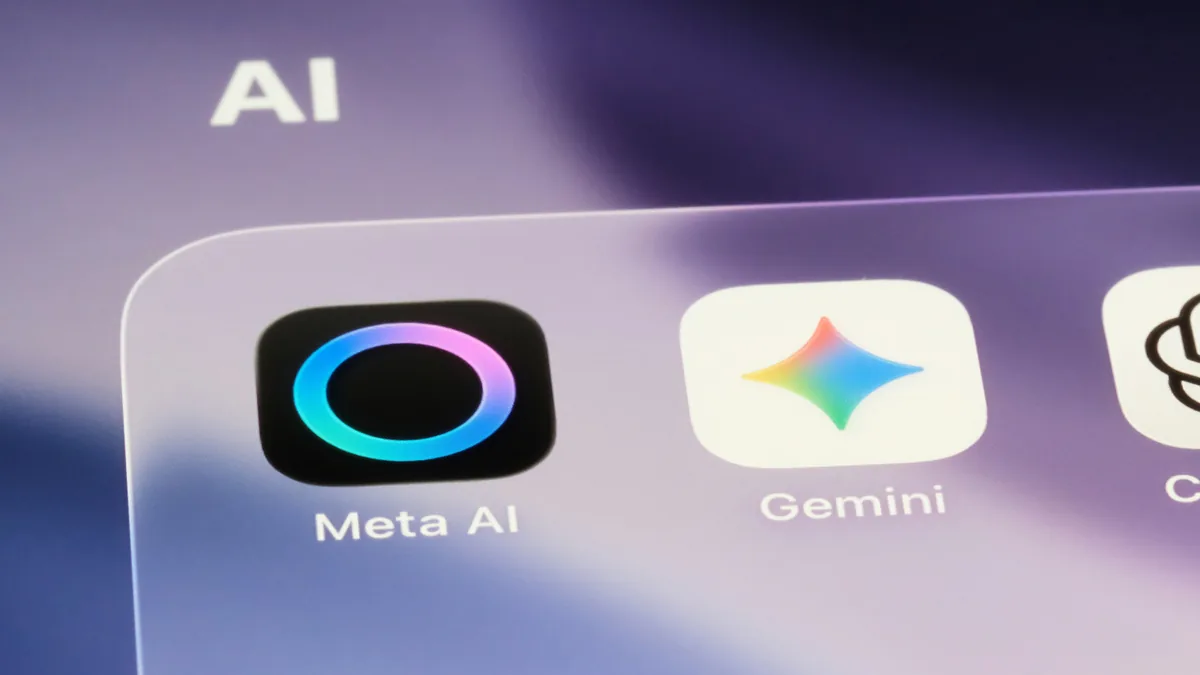
A delayed flagship AI model can sound like a missed deadline, but it can also be a sign that the release bar is getting higher. Google's reported Gemini 3.5 Pro delay lands in a market where every major model launch is judged immediately on coding, reasoning, safety, speed, price, and embarrassing failure cases. Shipping quickly is valuable. Shipping a model that creates a trust problem is much more expensive.
The timing matters because Google had already set expectations around a June arrival. When a company of Google's scale pauses or stretches a model release, the reason is usually not one simple bug. It can involve benchmark variance, safety evaluations, product integration, infrastructure readiness, or a concern that the model does not yet create enough distance from the current version. In the LLM market, a new name has to feel meaningfully better.
That pressure is visible across the industry. Our coverage of AI hallucinated report risks showed why companies are increasingly careful about releasing tools into sensitive workflows. A model that performs well in demos can still behave poorly when users ask messy, real-world questions. Google has to think about search, Workspace, Android, cloud customers, and developers at the same time.
The Times of India reported that Google has pushed back the Gemini 3.5 Pro launch after earlier expectations for June, with the company said to need more time. The exact release plan can still change, but the delay itself tells us something about the current AI cycle.
The easiest criticism is that Google is moving too slowly compared with rivals. The more practical question is whether the delay leads to a model that is clearly better in daily use. Users do not need another release that wins a narrow benchmark but struggles with instructions, memory, coding context, or multimodal reliability. They need fewer caveats when AI is placed inside work tools.
Google also has a reputation problem to manage. Gemini products have had moments where the public conversation focused less on capability and more on awkward outputs or confusing product names. A careful release gives Google a chance to avoid repeating that pattern. It also gives infrastructure teams more time to prepare capacity, because a flagship model can create immediate demand spikes across consumer and enterprise products.
The delay does not mean Gemini 3.5 Pro is in trouble. It means the model-release game has matured. The companies leading AI now need to ship with the discipline of platform providers, not demo teams. If the extra time produces a model that is faster, safer, and more useful inside real workflows, the pause will be forgotten quickly. If it only produces a slightly later benchmark chart, users will notice.
The delay also gives competitors a short window to define user expectations before Gemini 3.5 Pro arrives. That can be risky for Google, but it can also clarify what the model must answer. If rivals win attention through better coding, cheaper reasoning, or stronger agent behavior, Google can aim its release messaging at those gaps. The worst outcome would be a vague upgrade. The best outcome would be a model that clearly explains why the wait mattered in everyday work, not only in lab scores.