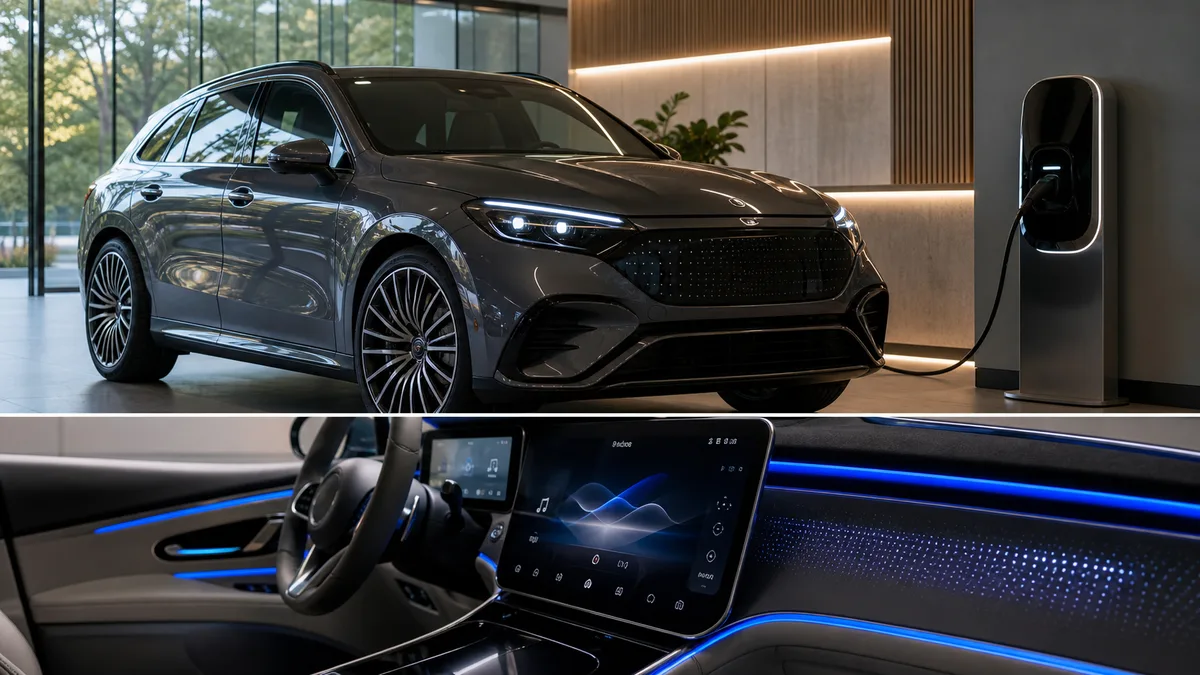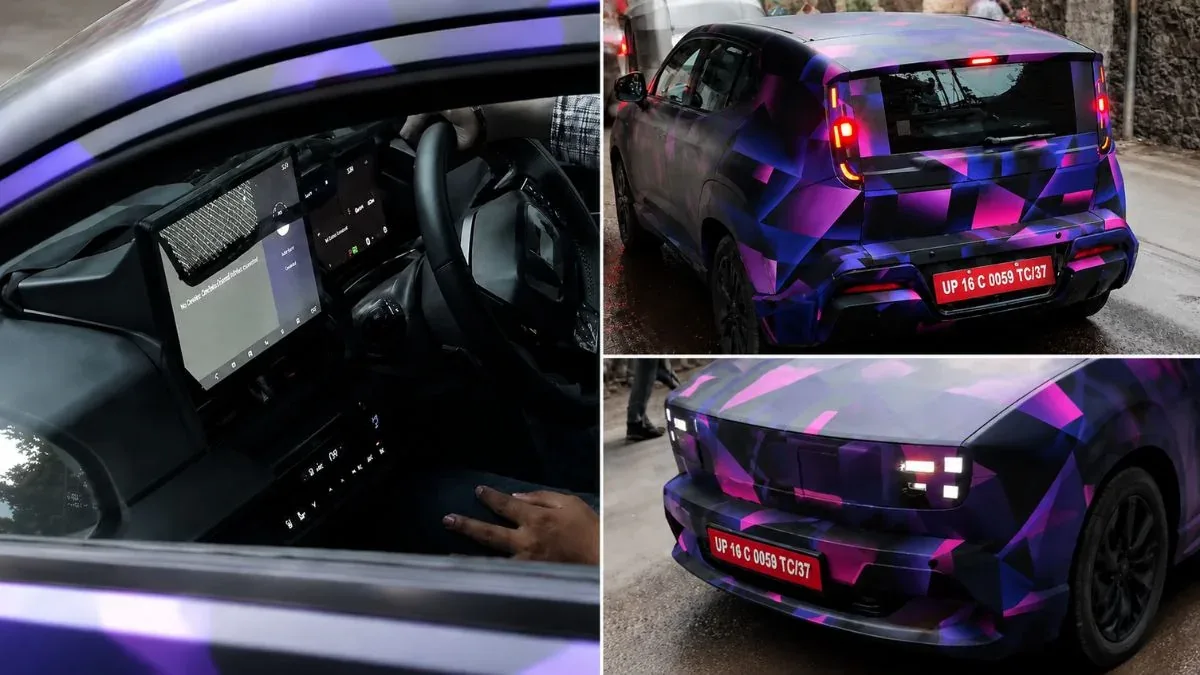
The Honda 0 Alpha cabin leak matters because Honda's EV transition needs a clearer interior identity. Exterior concepts can create attention, but the cabin is where buyers decide whether an electric vehicle feels modern every single day. Screens, storage, seating position, materials, controls, and software layout all shape the first real impression during a test drive.
A big-screen cabin can be useful or irritating depending on execution. Automakers often chase large displays because they look futuristic, but drivers still need climate controls, camera views, navigation, music, and vehicle settings to be easy while moving. A screen-heavy interior works only when the interface reduces friction rather than hiding simple actions behind menus.
Honda has a chance to use the 0 Alpha as a reset. The company is known for practical interiors, clever packaging, and dependable daily use. If it can combine that reputation with a cleaner EV software experience, it may stand apart from brands that treat the cabin as a tablet showroom.
CarLelo reports that a Honda 0 Alpha EV test mule leak shows a big-screen cabin and a more digital interior direction. The leak gives a clearer hint of how Honda may present its future electric SUV to mainstream buyers.
The story also fits the broader shift we covered in car shortcut controls becoming more phone-like. EV interiors are no longer only about dashboards. They are becoming software surfaces, and brands have to decide which controls should remain physical.
The 0 Alpha will need more than a wide screen to succeed. Range, charging, price, dealer readiness, and driver-assistance reliability will matter just as much. But the cabin leak is still important because it shows Honda trying to make its EVs feel visibly different. The company has the credibility to win practical buyers if it keeps the digital ambition grounded in everyday usability.
Honda also has to decide how much physical control to preserve. Many EV startups pushed nearly everything into touchscreens, then learned that drivers still value knobs, stalks, and quick-access buttons for common tasks. A clean cabin does not have to mean a control-free cabin.
The interior leak may also hint at Honda's software ambitions. A large central screen can support route planning, charging management, entertainment, driver-assistance visualization, and connected services. But if the interface feels slow or cluttered, the big display becomes a liability instead of a selling point.
The opportunity is real because many buyers trust Honda for sensible design. If the 0 Alpha cabin combines digital polish with Honda's usual practicality, it could appeal to people who want an EV without feeling like they are beta-testing a startup interface. That would be a strong position in a crowded electric SUV market.
Charging-route integration will be another interior test. A modern EV cabin should make range, charger availability, battery preconditioning, and payment status easy to understand. If Honda treats the large screen as a charging companion rather than only an entertainment display, the 0 Alpha could feel more complete as an electric vehicle.
The leak also gives shoppers something concrete to compare against coming Honda EV previews. If later prototypes lose the practical control balance or bury too much driving information, this early cabin glimpse will look more promising than the final execution. Honda needs the production version to keep the clarity suggested here.