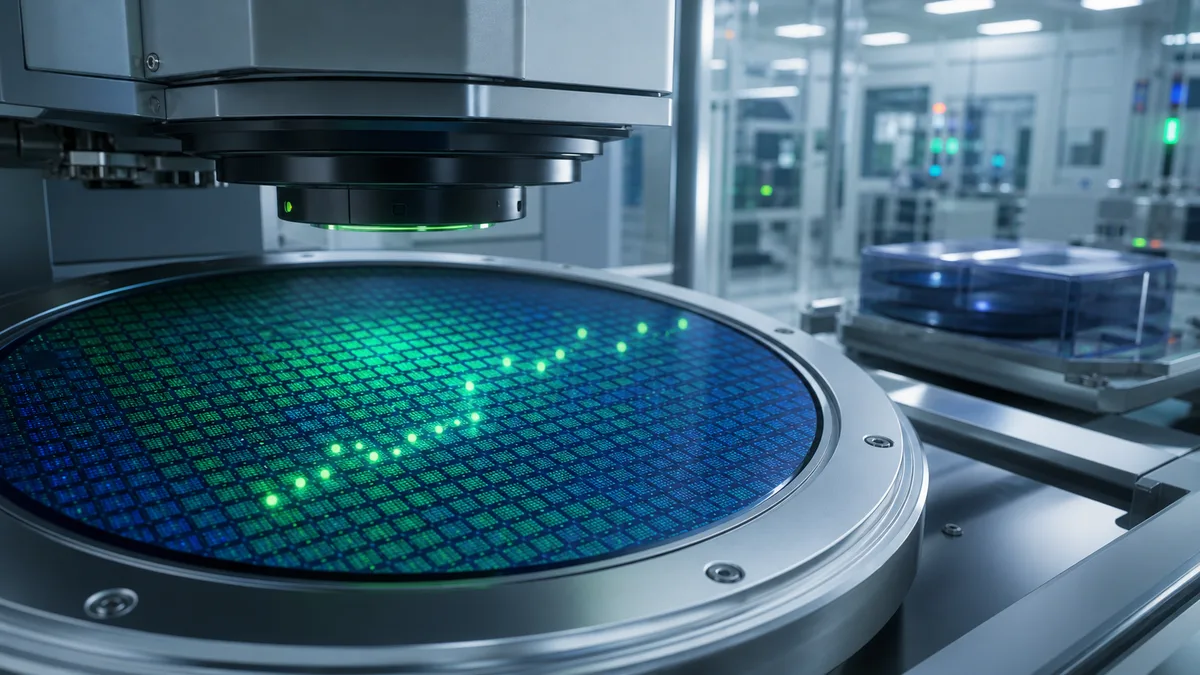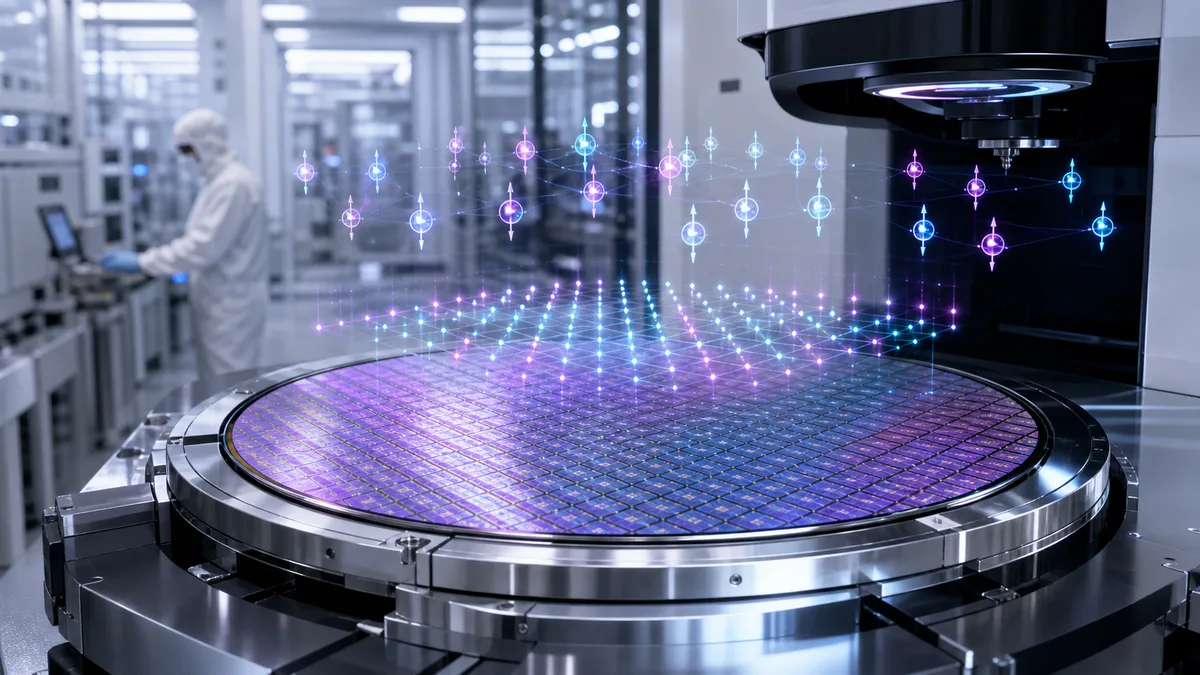
Quantum computing is often discussed through breakthroughs in qubit counts, error rates, and algorithms, but manufacturing may become just as important. A quantum system that cannot be built repeatably will remain a laboratory achievement. That is why silicon-based approaches are attracting attention from the semiconductor world: they bring quantum research closer to a supply chain that already knows how to scale complex devices.
Silicon spin qubits are not automatically easy, but they offer a powerful promise. If quantum devices can borrow materials, lithography, integration, and process-control lessons from advanced chipmaking, then scaling may become less mysterious. The industry still needs physics breakthroughs, but it also needs process discipline.
This is where organizations with deep semiconductor experience matter. Manufacturing quantum systems is not only about placing qubits. It involves variability, control wiring, cryogenic operation, packaging, metrology, and yield. Each piece has to improve before quantum hardware becomes more than a collection of specialized prototypes.
EE Times reported that Imec is pushing quantum toward manufacturable silicon systems, arguing that advanced lithography and semiconductor integration techniques may help scale silicon spin qubits. That angle shifts the story from pure research to manufacturability.
The semiconductor discipline here connects with our Samsung 2nm foundry yield coverage. Whether the device is a logic chip or a future quantum component, the hard work is often hidden in process control. Better designs only matter if they can be made reliably.
Quantum also has a packaging problem. Qubits must be connected, controlled, cooled, and measured without overwhelming the system. That makes the surrounding semiconductor stack important. Interconnects, control electronics, and integration methods may decide how quickly useful machines can be built.
There is a useful realism in this manufacturing-first view. It avoids treating quantum as magic and instead treats it as a difficult device-engineering challenge. That does not make the road short, but it gives the industry a familiar way to measure progress: repeatability, yield, integration density, and system reliability.
Imec's work is a reminder that quantum advantage will not arrive only through better algorithms. It will require factories, inspection tools, materials expertise, and a supply chain that can make delicate systems consistently. The future qubit story may be written as much in cleanrooms as in research papers.
That manufacturing lens may also make quantum progress easier to evaluate. Instead of asking only whether a lab can demonstrate a promising qubit, buyers and researchers can ask whether the same structure can be produced repeatedly, measured consistently, connected at scale, and packaged into a system that survives real operation. Semiconductor history is full of ideas that worked once and failed to become products because variability was too high. Quantum hardware faces the same danger in an even more delicate form. Imec's approach matters because it pushes the conversation toward reproducibility, integration, and process learning, which are the boring conditions that usually separate scientific promise from useful computing infrastructure.
For chip buyers and governments, that makes silicon quantum worth watching even before commercial systems are ready. It may be one of the few paths where quantum ambition can borrow proven manufacturing habits from the existing semiconductor economy.