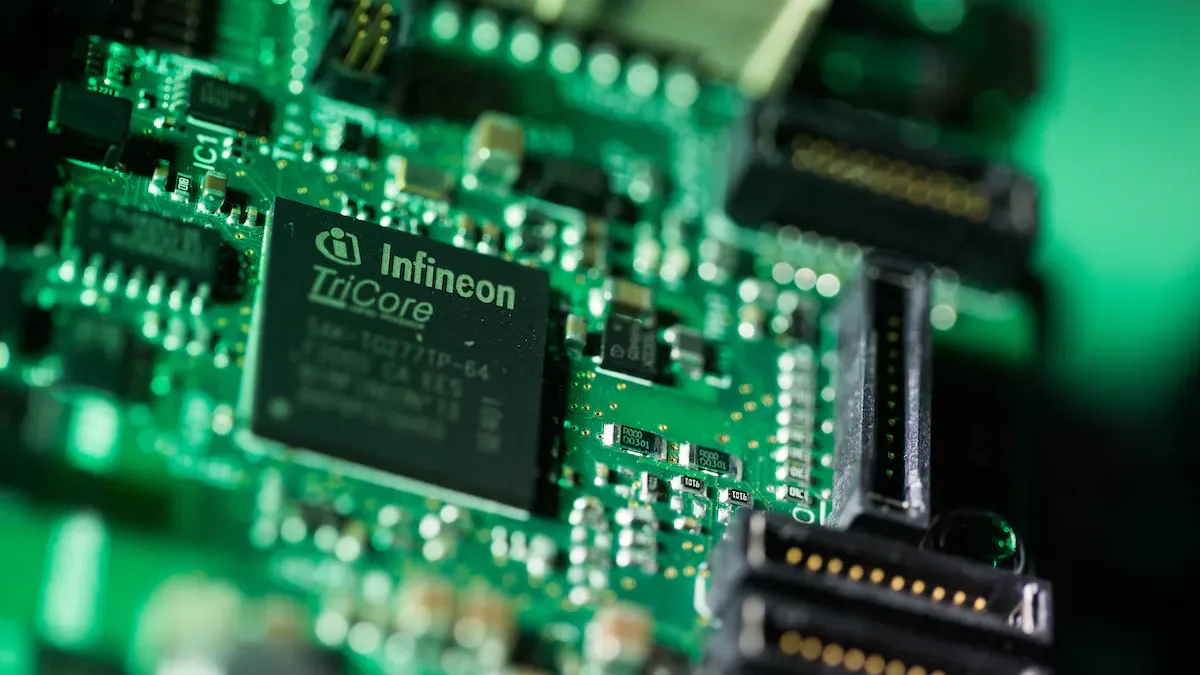
Infineon's new Dresden chip fab is a reminder that the EV and AI booms still depend on factories, not just software roadmaps. A multi-billion-euro manufacturing site may sound distant from everyday gadgets, but it sits behind the cars, chargers, sensors, and compute systems buyers will use next.
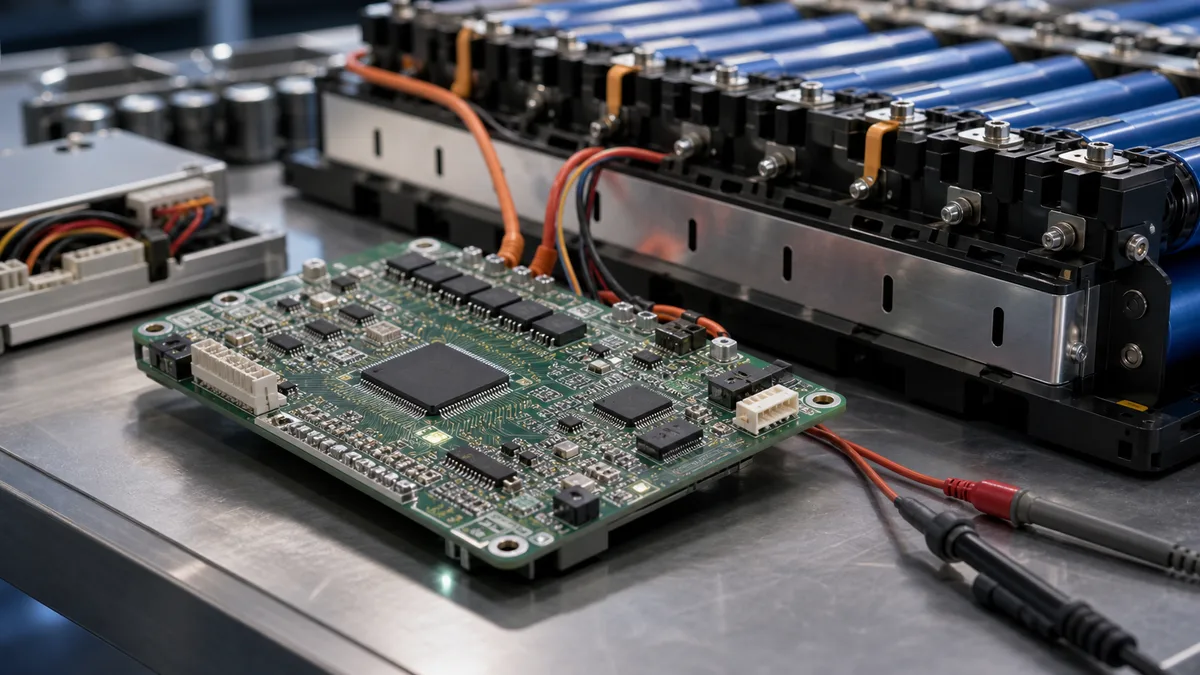
Automotive chips have become strategic because vehicles now need power electronics, driver-assistance silicon, battery-management parts, memory, and increasingly AI-capable controllers. When supply gets tight, car launches slow down and software promises become harder to deliver.
The thread also links naturally to our earlier look at the Rivian R2 lidar sighting. For this post, Infineon Dresden Chip Fab Shows EV And AI Silicon Demand Staying Hot makes that connection specific to Automotive News: the rumor or report is only useful when it is read beside product timing, component pressure, and the user trust problem around EV Chips.
The current report from Automotive News reports the opening of Infineon's Dresden facility as demand grows for semiconductors tied to EV and AI applications. That source detail gives the article a concrete starting point, but the bigger value is in reading what the report says about the product category around it.
For automakers, local and resilient chip supply is no longer a nice backup plan. It affects production schedules, feature availability, repair parts, and the ability to update vehicles over time. EVs make the dependency even sharper because power management is central to the whole product.
What makes this worth separating from a normal news brief is the way it changes near-term expectations. Infineon Dresden Chip Fab Shows EV And AI Silicon Demand Staying Hot is really about timing, confidence, and execution. A small leak can be forgettable, but a leak that points to supply, policy, capacity, or launch positioning can shape how buyers and rivals prepare.
The fab story also connects to energy efficiency. Power semiconductors decide how cleanly electricity moves through an EV, a charger, a server power supply, or an industrial system. Better components can reduce heat, improve reliability, and help manufacturers meet stricter efficiency goals.
Europe has been trying to strengthen its chip position after years of supply-chain shocks. A new fab does not solve every dependency, but it gives automakers and industrial buyers another reason to treat semiconductor sourcing as a board-level issue.
Another angle worth keeping in mind is audience behavior around Automotive News. People following Infineon Dresden Chip Fab Shows EV And AI Silicon Demand Staying Hot are no longer waiting passively for official launch slides; they compare leaks, supplier moves, policy signals, and early pricing clues before deciding what to buy, build, or avoid.
Chip fabs take time to ramp, and demand forecasts can swing. EV adoption, AI server growth, and industrial spending will not move in a straight line. Still, the direction is clear: silicon capacity is part of the infrastructure race.
The next phase will be whether these investments translate into steadier supply and better vehicle features. If they do, the chip story will show up not as a factory headline but as cars that ship on time with the electronics they were promised.
The practical reading is therefore cautious but not dismissive. For Automotive News, the headline is the new development. For readers following Infineon, the more durable point is whether the companies involved can turn that development into something reliable, understandable, and worth paying attention to after the first leak cycle fades.