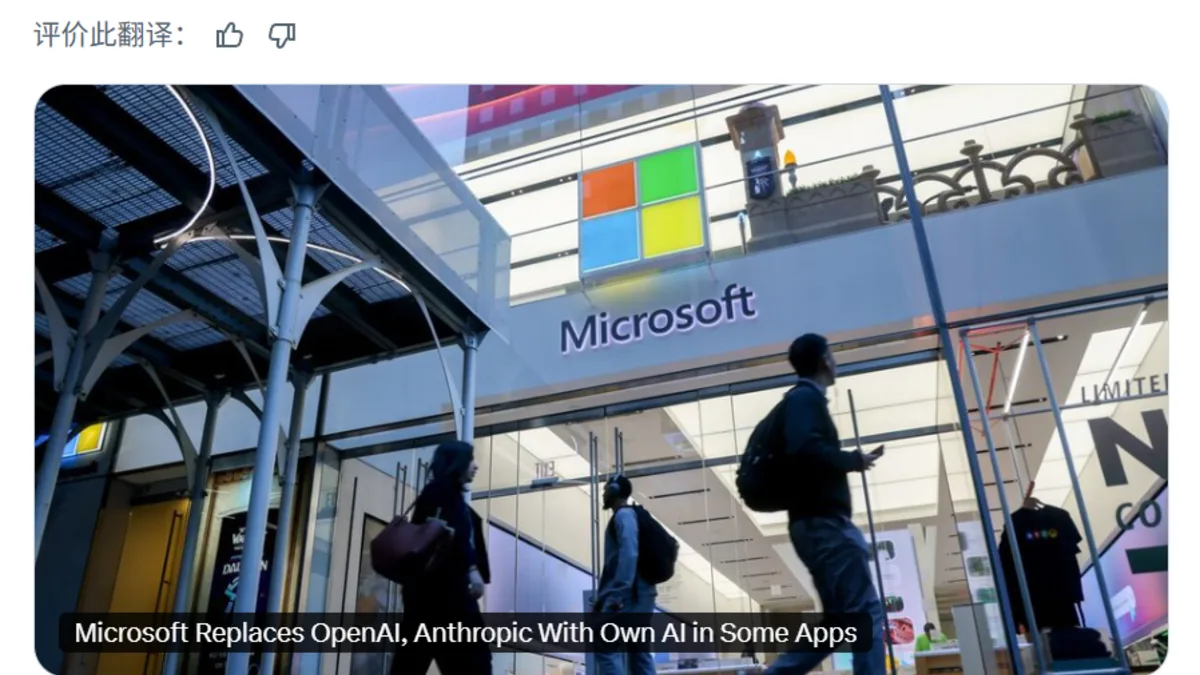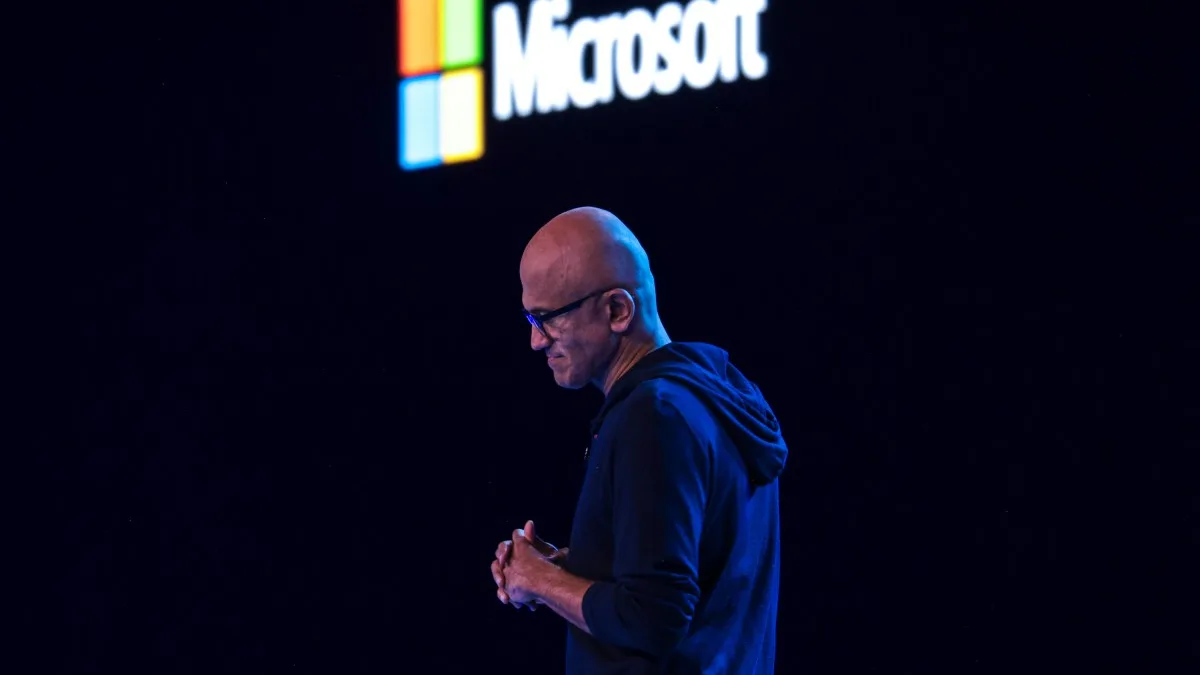
Microsoft MAI Model Shift Shows AI Cost Pressure Is Real is best read as an early signal, not as a finished launch script. Microsoft relying more on in-house models points to a practical phase of enterprise AI where margins and routing matter. The useful thing about Microsoft MAI model shift is that it points to the pressure behind the product story, where model routing, inference cost, safety claims, data access, and product distribution are becoming part of the same decision instead of separate talking points.
The timing of Microsoft MAI model shift is important because TechCrunch published the item inside the current six-hour window, with the feed timestamp at 2026-07-07 19:58:20 UTC. Fresh reports like Microsoft MAI model shift can still change, but freshness also makes them valuable because they show what the market is reacting to before companies have had time to smooth every edge of the message.
The local context for Microsoft MAI model shift connects naturally with Microsoft AI Terminal Preview Turns Windows Devices Into Agent Workspaces. That earlier Patriotic Tech report helps frame Microsoft MAI model shift as part of a continuing pattern: small technical clues now shape expectations for phones, cars, AI services, and hardware platforms before the official announcement cycle catches up.
The original English-language reference for Microsoft MAI model shift is from TechCrunch. That source link matters because Microsoft MAI model shift should be judged from the specific report first, then compared with later evidence, rather than stretched into a claim the source did not make.
The practical question around Microsoft MAI model shift is whether the reported move changes what people can actually buy, use, or deploy. For AI teams, developers, and enterprise buyers, the checklist is not only whether Microsoft MAI model shift sounds impressive. For Microsoft MAI model shift, the checklist is latency, reliability, policy limits, integration quality, and whether users can trust the model outside a staged demo, because those are the points that decide whether the story survives after the first headline fades.
There is a business angle in Microsoft MAI model shift as well. If the Microsoft MAI model shift report is accurate, the company behind the story is trying to manage model routing, inference cost, safety claims, data access, and product distribution while competitors watch for weakness. That makes Microsoft MAI model shift a sign of execution discipline, not only a sign of ambition, because AI products are being judged by operating cost and workflow value as much as by benchmark moments.
The cautious reading of Microsoft MAI model shift is to separate the hard clue from the expectation built around it. For Microsoft MAI model shift, a filing, preview, source-backed note, or regional report can be accurate and still leave important questions unanswered. With Microsoft MAI model shift, the missing pieces are the details that decide cost, availability, limits, and everyday reliability.
The next useful evidence for Microsoft MAI model shift would come from a second channel. A retail listing, certification page, partner document, driver reference, support note, official teaser, or separate report would make Microsoft MAI model shift stronger. Without that second channel, Microsoft MAI model shift remains a meaningful watchlist item rather than a fully confirmed roadmap point.
What makes Microsoft MAI model shift worth covering is the way it reflects a larger shift in technology reporting. The Microsoft MAI model shift story shows that product stories are no longer only about the final device, model, or vehicle. Microsoft MAI model shift shows how supply decisions, AI cost, regional launch planning, and user trust now shape the story well before a company gets on stage.
Taken carefully, Microsoft MAI Model Shift Shows AI Cost Pressure Is Real gives readers a grounded snapshot of July 8, 2026 technology news. The sensible takeaway from Microsoft MAI model shift is not to overreact, but to track the next proof point. If matching evidence appears, Microsoft MAI model shift may become part of a larger product shift; if it does not, it still identifies the pressure point worth watching.