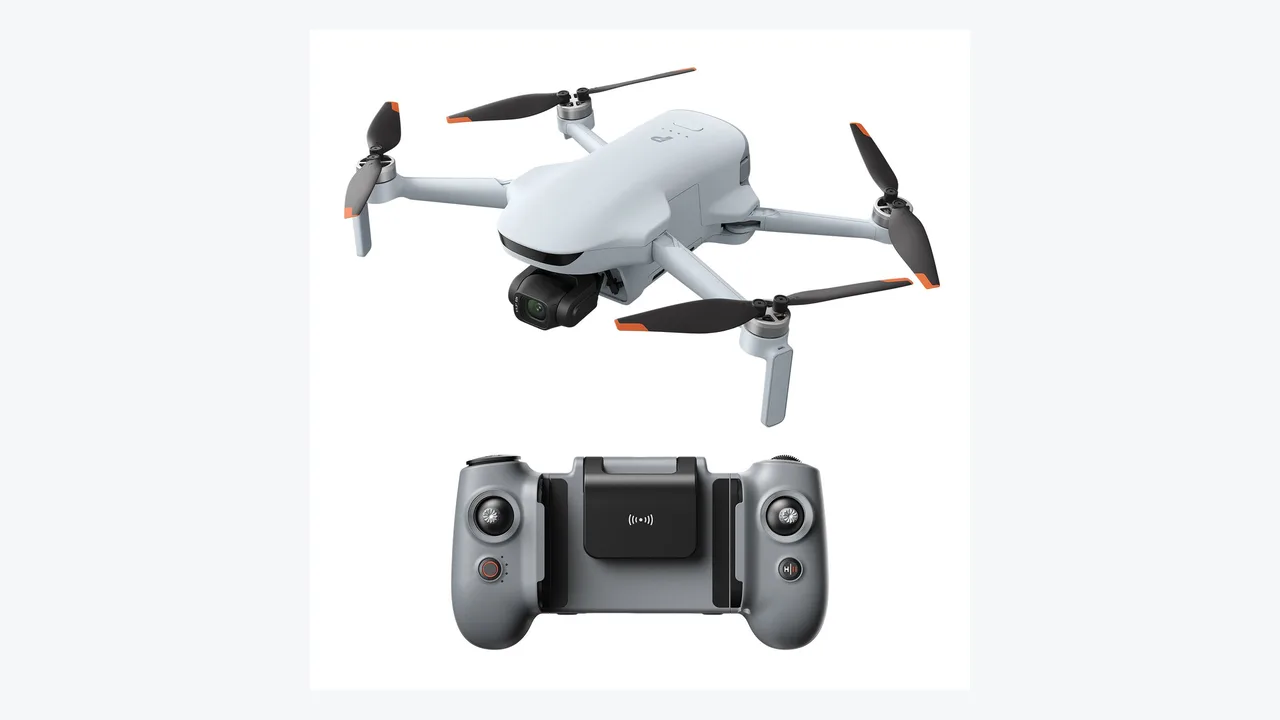
Potensic ATOM 3 is a compact camera drone built for buyers who want more than a starter toy but do not want the weight, paperwork, or travel burden of a larger aircraft. The official retail model name is ATOM 3, and Potensic positions it in the under 249g class, which is a meaningful detail because that weight category is easier to carry and often simpler to register, depending on the country. The release reached international buyers in June 2026, with availability through Potensic's own store and selected camera retailers.
The launch price is split by kit rather than by aircraft variant. The Standard Kit is listed at $429.99 in the United States and 319.99 pounds in the United Kingdom. The Fly More Kit with a screen controller is listed at $549.99 or 429.99 pounds. That larger package is the one serious weekend users should study because it adds extra batteries, a charging hub, and a remote with a built-in 5.5-inch display, which removes the need to mount a phone before every flight.
The aircraft's main imaging hardware is a 1/1.3-inch CMOS sensor with 50MP still capture and 4K 60fps video. Potensic also promotes HDR recording, P-Log capture, 2.7K vertical video, slow motion options, panorama modes, Dolly Zoom, CineRoll, and automated QuickShots. For a buyer comparing it with a pocket gimbal or an action camera, the key difference is perspective: the ATOM 3 is not only stabilizing the picture, it is giving solo creators a moving aerial camera.
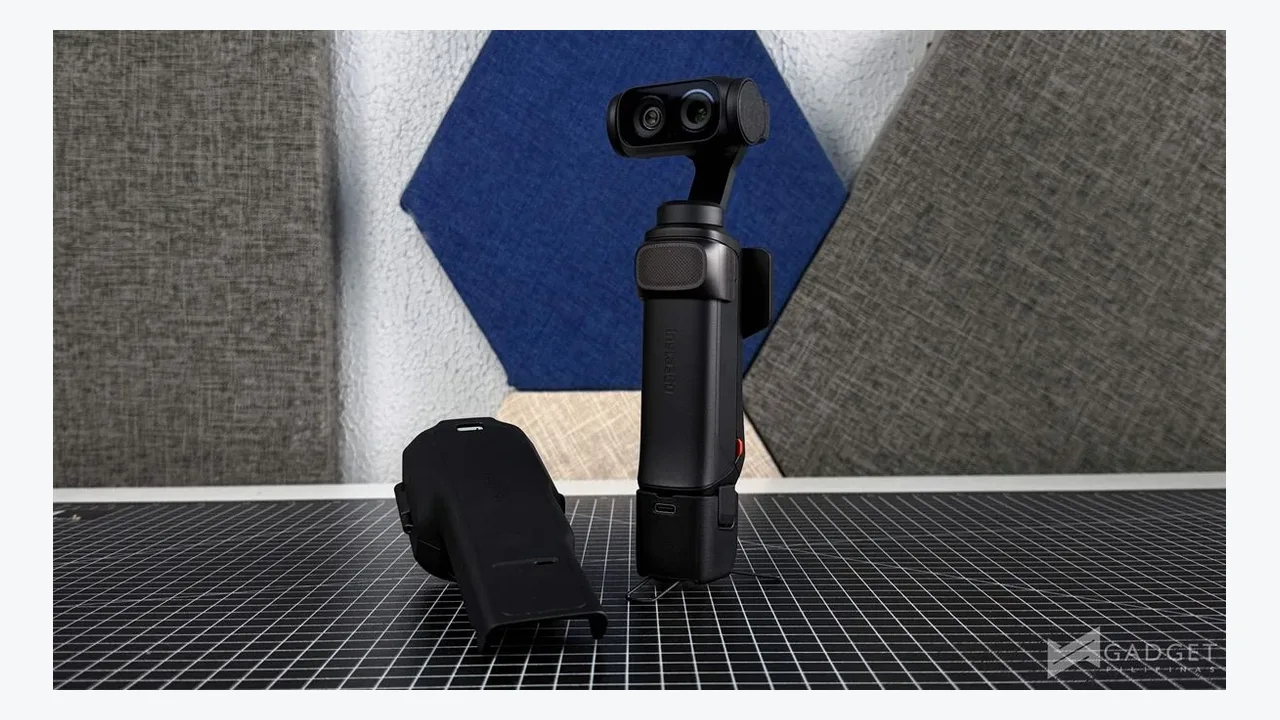
Potensic keeps the current bundle details on Potensic, and that page is the cleanest place to check local stock because drone availability can vary quickly by market. Readers who are comparing small creator cameras may also want to see our DJI Osmo Pocket 3 breakdown, because both products chase travel video buyers from different directions.
Flight Hardware That Matters In Use
Transmission is one of the ATOM 3's strongest claims. Potensic lists PixSync 5.0 with up to 16km range and a 1080p 60fps live view. That number should never be treated as permission to fly beyond local legal limits, but it does suggest a stronger control link than buyers normally expect in low-cost foldable drones. A stable live feed is not a luxury feature; it is what lets a new pilot frame properly, return safely, and avoid the anxiety that comes from a weak connection.
Battery life is also kit dependent. Potensic promotes up to 50 minutes with the extended battery and up to 135 minutes across the larger bundle. Even if real outdoor flights land below the headline figure because of wind, temperature, and return-home margin, the bigger kit still changes how the drone is used. One battery encourages short test flights. Three batteries make it realistic to scout, reshoot, and still have enough time to capture the final clip.
Practical Buyer Details
- Model name: Potensic ATOM 3, sold as a foldable camera drone.
- Market status: global launch in June 2026, with regional restrictions depending on drone import and flight rules.
- Camera package: 1/1.3-inch sensor, 50MP photos, 4K 60fps video, HDR, P-Log, and vertical video support.
- Flight tools: AI Track 2.0, waypoint flight, cruise control, AR return-to-home, auto takeoff, auto landing, and apron recognition.
- Controller choice: phone-based controller in the cheaper kit or a screen controller in the higher bundle.
The right buyer is someone who values portability but still wants a drone that can handle planned content, not just occasional sightseeing clips. The caution is that obstacle discipline, local airspace rules, spare propellers, and battery cost still matter. Potensic has made the ATOM 3 look unusually complete for its price class, but the ownership experience will depend on firmware stability and how reliably the tracking system behaves when the background gets busy.