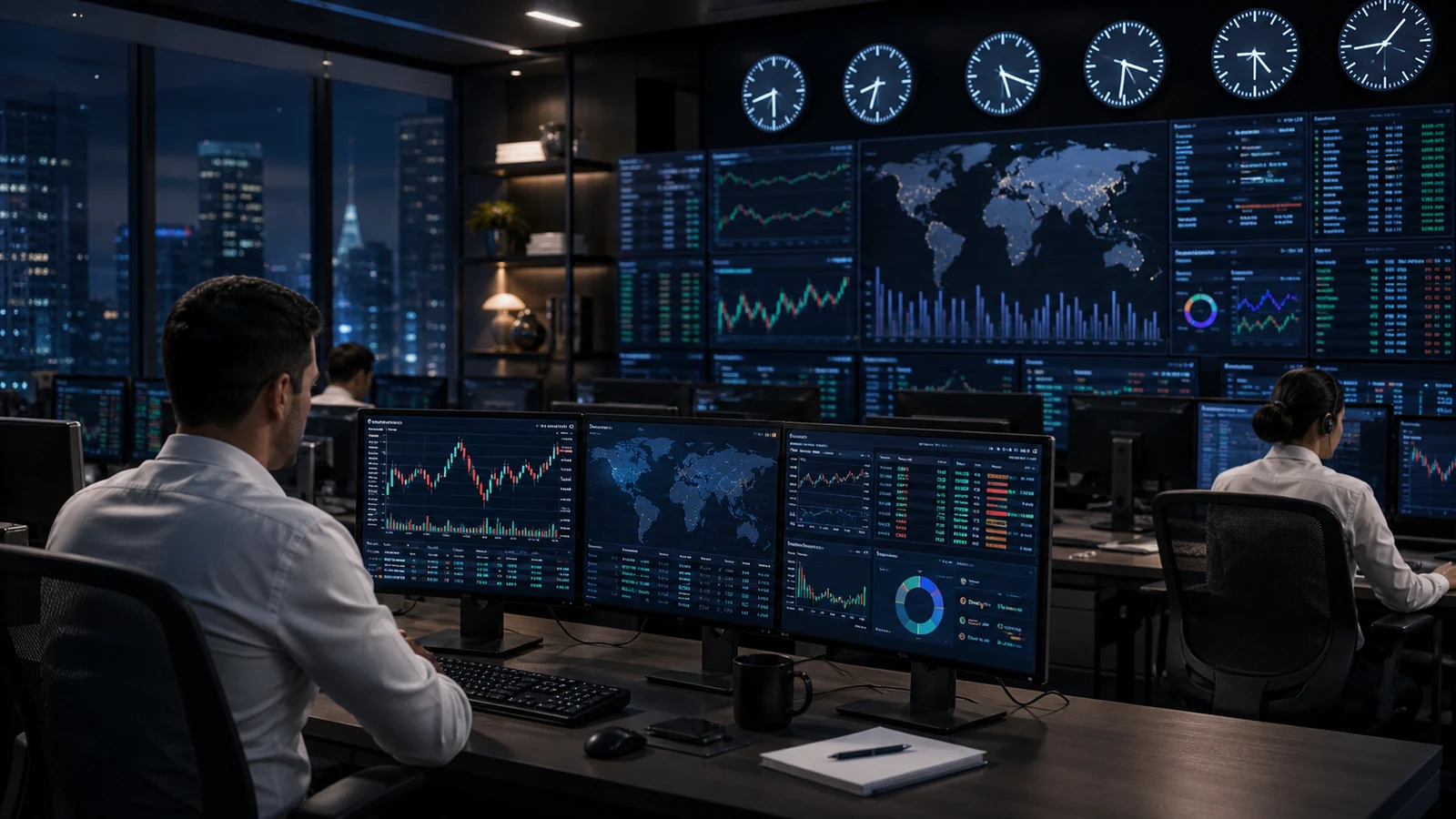
Pyth's 24-hour proprietary indices point to one of the biggest tensions between crypto markets and traditional markets: time. Crypto trades continuously. Stocks, oil, and metals still rely on market sessions, exchange calendars, and after-hours limitations. Tokenized trading wants the always-on feel of crypto, but it needs credible prices for assets that do not always trade in the same way. That is where 24-hour indices become important.
An index is not the same as a live exchange order book. It is a pricing reference, and the quality of that reference depends on methodology, inputs, liquidity assumptions, and controls. Still, a reliable always-on benchmark can support derivatives, synthetic exposure, collateral valuation, risk monitoring, and DeFi-style products tied to real-world markets. Without that layer, tokenized trading can become noisy whenever traditional markets are closed.
This is another example of crypto infrastructure trying to make itself useful to broader finance. The goal is not only to list tokens that represent assets. It is to provide the data rails that make those tokens tradable, marginable, and understandable outside normal hours. Market data is boring until it is missing. Then every trading product becomes dangerous.
The launch reported by The Block covers Pyth's 24/7 indices for US equities, oil, and metals. The product sits directly inside the debate over whether tokenized markets can extend access without creating fake precision during illiquid hours.
The regulatory angle will be important. If traders use a 24-hour equity index to build leveraged products, regulators will ask how prices are formed when the underlying market is shut. Disclosures need to be clear. Users should know whether they are trading a true market price, a calculated reference, or a synthetic estimate. Confusing those categories can create real losses.
Still, the direction is hard to ignore. Investors increasingly expect markets to be available when they are awake, not only when an exchange opens. Pyth's indices are a step toward that world. The challenge is making always-on access safer than a slogan.
The product also raises a user-interface challenge. Trading apps must label these instruments carefully so users do not mistake an overnight reference for a regular exchange print. If the interface makes everything look identical, less experienced traders may misunderstand liquidity and risk. Always-on markets need better education, not only more hours.
Market makers will be central to whether this idea feels useful. A good index can provide a reference, but tradable products still need depth, spreads, and risk controls. If liquidity is thin during off-hours, prices can move strangely and hurt users who assume a 24-hour product behaves like a normal session. The infrastructure can work, but only if the market design is honest about its limits.
This also creates opportunities for risk managers. A continuous reference can help monitor collateral and exposure when traditional venues are closed. The value is not only speculative trading. It can also be better overnight visibility for portfolios that already carry global risk.
The winners will be platforms that make the limits visible. If users understand when they are trading a reference-driven product, 24-hour access can be useful without pretending overnight liquidity is the same as the regular session.