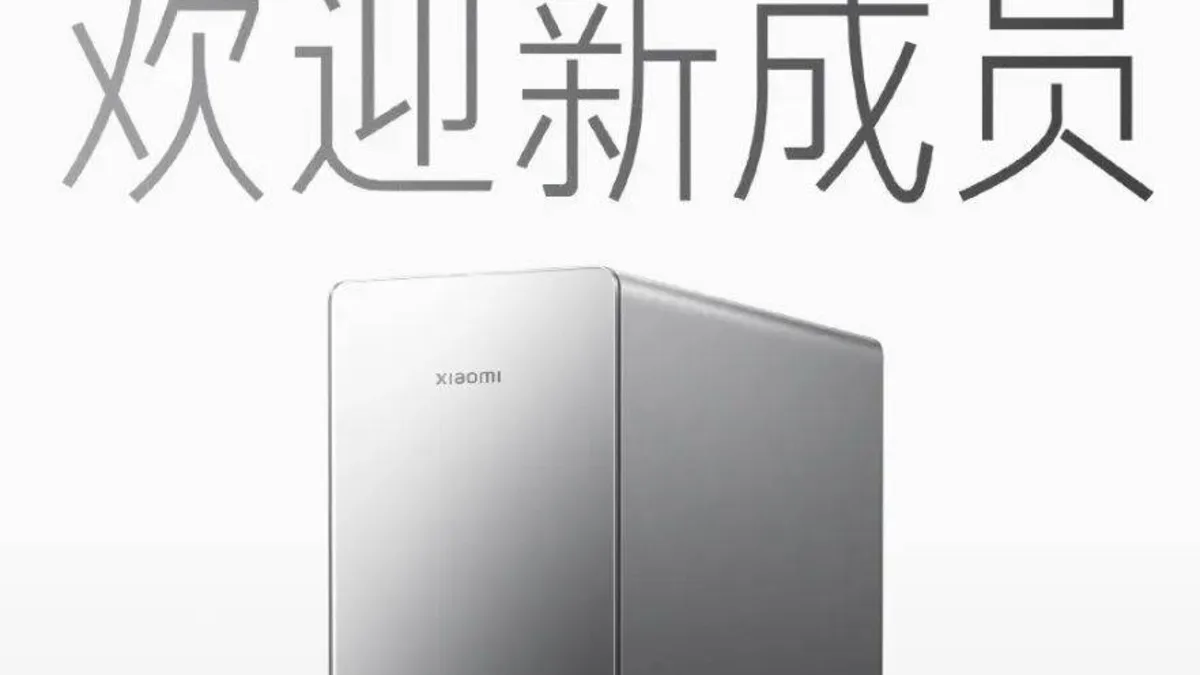
The Sohu report pairing Xiaomi's NAS announcement with Xiaomi 18 Pro screen talk captures something important about modern phone brands: they no longer want to sell only phones. Xiaomi wants the pocket device, the home screen, the router, the storage box, the wearable, and the services around them. A NAS product may look distant from a smartphone leak, but it belongs to the same ecosystem strategy.
A home storage device becomes more valuable as phone cameras improve. Users shoot more 4K video, keep larger photo libraries, download more media, and expect files to follow them between phone, tablet, PC, and TV. Cloud storage solves some of this, but it also creates subscription fatigue. Xiaomi's pitch is likely to be local control with consumer-friendly setup.
The Xiaomi 18 Pro display angle keeps the phone side of the story alive. We have already looked at Xiaomi's willingness to experiment with phone design in our Xiaomi 18 Pro rear display leak coverage. If Xiaomi also tightens its home storage products, the phone becomes one piece of a larger personal data system.
sohu.com covered Xiaomi's NAS announcement alongside Xiaomi 18 Pro display upgrade talk. The mix is telling. Chinese tech coverage increasingly treats phones, smart home gear, and storage as connected parts of the same consumer hardware loop.
The NAS part will be hard to execute well. Xiaomi must make account setup, remote access, backup rules, disk replacement, permissions, and recovery understandable. Mainstream users will not tolerate a storage box that behaves like a miniature server. They want a device that protects photos and videos without becoming another maintenance chore.
For Xiaomi, the reward is stickiness. If a family stores phone backups, camera footage, TV media, and documents on a Xiaomi box, switching away from the ecosystem becomes less likely. That is the same logic Apple uses with iCloud, but Xiaomi can package it as hardware plus local storage. The strategy is different, but the goal is similar: keep the user's digital life close.
This is why a NAS story belongs in gadget coverage. The next phase of phone competition will not stop at the handset. Brands will compete over where the phone's data lives, how it moves, and who controls the surrounding devices. Xiaomi's smart storage push shows that the home data hub is becoming part of the smartphone ecosystem fight.
The privacy pitch could become the deciding factor. Cloud services are convenient, but many users are uneasy about recurring fees and remote storage of family media. A local Xiaomi device can appeal to that feeling if it is transparent about access, encryption, and sharing. The company should avoid framing it only as cheap storage. The stronger message is control: your phone creates the memories, your home device keeps them, and your family can reach them without turning every file into another subscription.
That control message will only work if setup is painless. A home storage product has to earn trust in the first hour. If Xiaomi can make phone backup feel as simple as pairing earbuds, it will have a real chance to broaden the category.