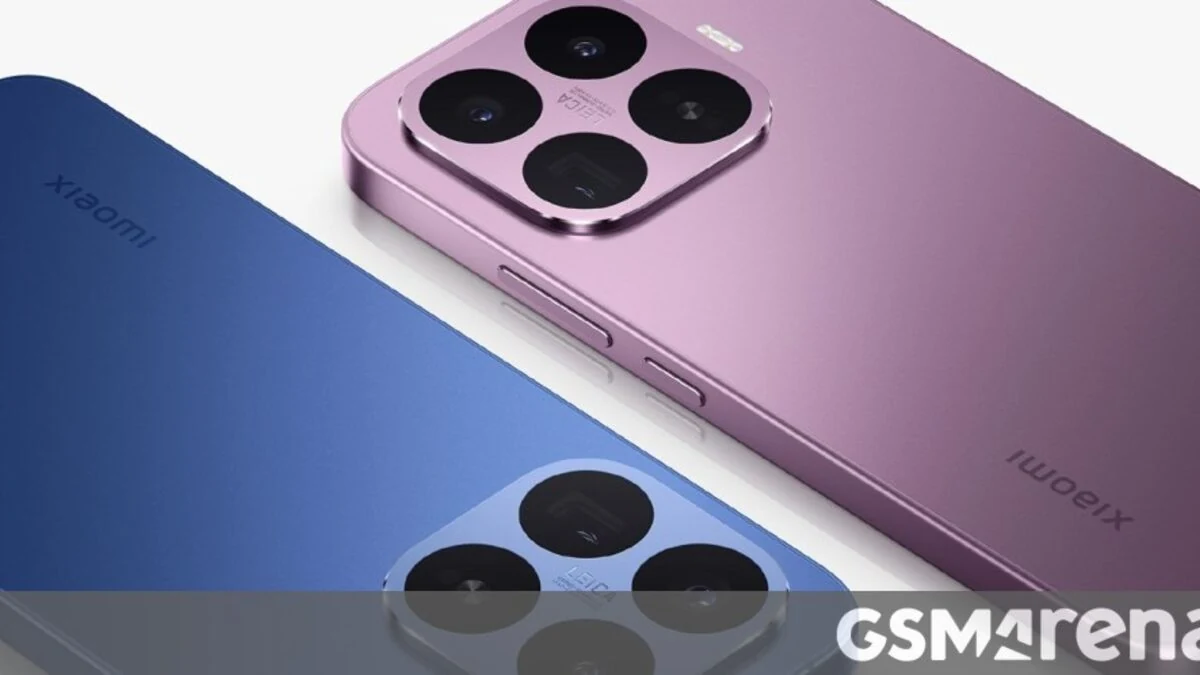
Xiaomi's 17T series is getting a home-market moment. GSMArena reported that the Xiaomi 17T and 17T Pro will launch in China on June 8, marking the T lineup's debut in Xiaomi's home country. The phones were unveiled globally last week, and the standard 17T was introduced in India a day before this report. Xiaomi is also emphasizing silicon-carbon battery chemistry, a high silicon-content claim, and long-cycle capacity retention.
The China launch matters because Xiaomi often treats its home market as the place where a product's positioning becomes clearest. The 17T line is not trying to be a cheap mid-range phone. It is aiming at the upper-mid or near-flagship tier, where battery life, cameras, display quality, and charging speed matter as much as raw benchmark numbers.
The timing also matters for Android buyers comparing brands. Samsung's foldable direction is covered in our Galaxy Z Fold 8 leak report, and our Android 17 beta analysis explains why software maturity remains part of the buying decision.
The core specs
Both phones run Android 16-based HyperOS 3. The standard 17T uses MediaTek's Dimensity 8500 Ultra, while the 17T Pro steps up to the Dimensity 9500. The battery split is also clear: 6,500 mAh on the 17T and 7,000 mAh on the Pro, according to GSMArena's report. That is a serious capacity push for phones that still need to feel pocketable.
| Spec | Xiaomi 17T | Xiaomi 17T Pro |
|---|---|---|
| Software | Android 16-based HyperOS 3 | Android 16-based HyperOS 3 |
| Chipset | Dimensity 8500 Ultra | Dimensity 9500 |
| Display | 6.59-inch 120Hz 1268p AMOLED | 6.83-inch 144Hz 1280p AMOLED |
| Battery | 6,500 mAh silicon-carbon | 7,000 mAh silicon-carbon |
| Charging | 67W wired | 100W wired, 50W wireless |
| Cameras | 50MP main, 50MP 5x periscope, 12MP ultrawide, 32MP selfie | Similar layout with upgraded primary sensor and higher video modes |
Why the battery story stands out
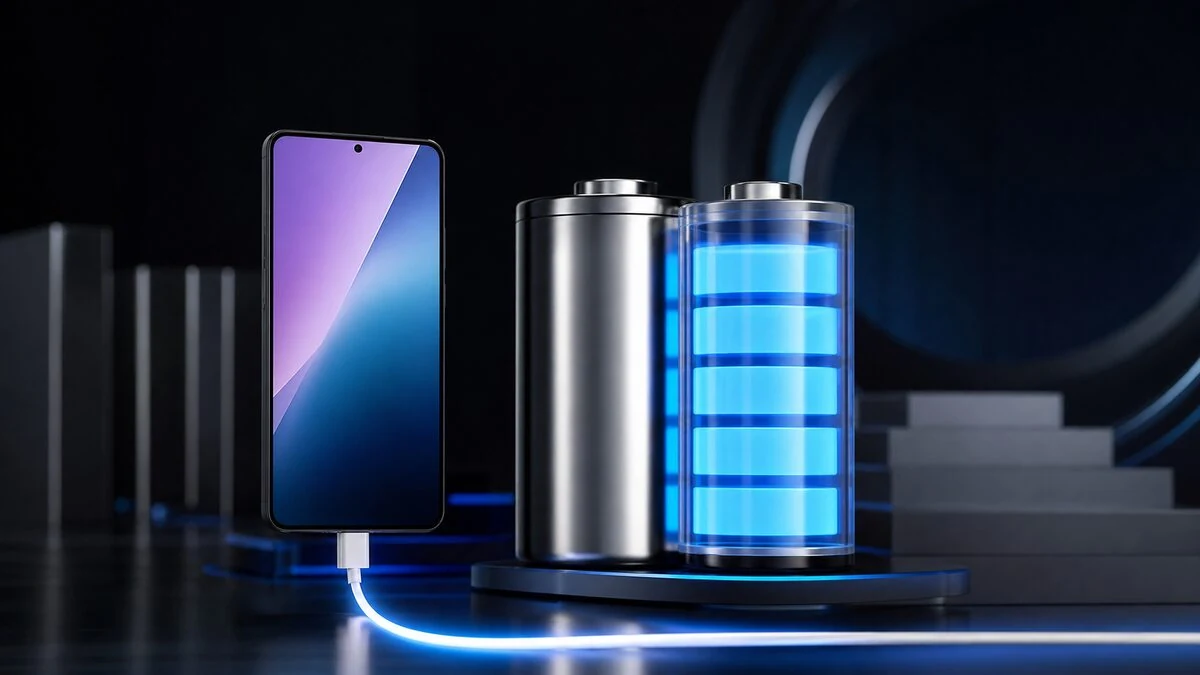
The phone industry has spent years chasing faster charging, but larger silicon-carbon cells are changing the discussion. A 6,500 mAh or 7,000 mAh battery gives a phone more practical headroom for navigation, gaming, hotspot use, camera recording, and AI features. Xiaomi's reported 80% retention after 1,600 cycles is also important because high-capacity batteries only matter if they age well.
This also puts pressure on rivals that still ship thinner phones with smaller cells and then rely on fast charging to cover the gap. Fast charging is useful, but it does not replace the freedom of leaving home with more battery in the first place. If Xiaomi keeps the weight and thermals under control, the 17T line could make capacity a headline feature in a segment where design and camera marketing usually dominate.
The Pro model is the more aggressive package. It gets the larger screen, faster refresh rate, bigger battery, faster wired charging, wireless charging, and the Dimensity 9500. The standard 17T still looks strong for users who want the camera system and battery gains without stepping into the largest body.
What buyers should watch
The China launch should clarify final local pricing, memory configurations, colors, and whether Xiaomi changes any specs from the global versions. The big question is how aggressively Xiaomi prices the Pro. If the company keeps the Pro close to upper-mid pricing, the combination of 7,000 mAh battery, 144Hz AMOLED, periscope zoom, and 100W charging could be hard for rivals to ignore.
Camera processing will be another deciding factor. The spec sheet is strong, but Xiaomi still has to show consistent shutter speed, color science, video stabilization, and low-light results across both models. That is where near-flagship phones win or lose buyers after the launch excitement fades.
For now, the 17T series looks like Xiaomi trying to make the T line feel less like a side release and more like a serious performance-battery family. That is exactly the kind of positioning that can work in 2026, where users want fewer compromises and longer life between charges.