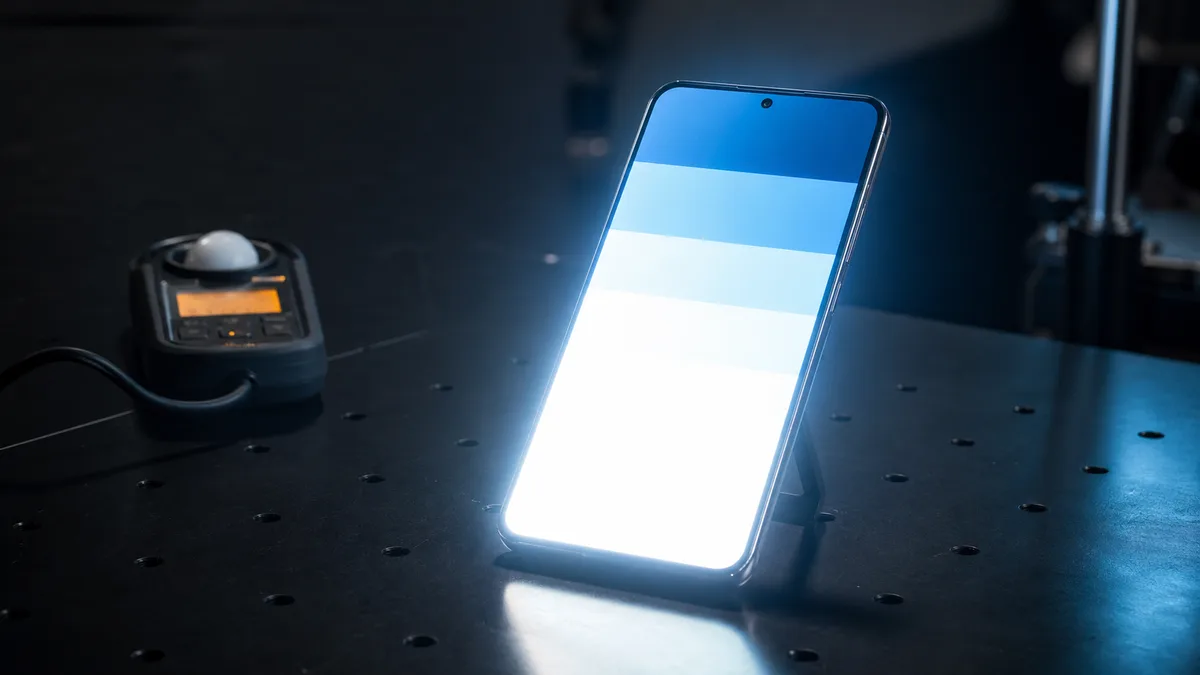
A 10,000-nit phone display sounds absurd until the fine print appears. Smartphone brands already use peak brightness numbers carefully, often referring to small areas of the panel under limited conditions rather than the entire screen staying that bright all day. Even so, the idea that a Chinese company is preparing a phone display with that kind of headline rating shows where the next marketing fight is heading.
Brightness matters because phones are used everywhere. A display that remains readable in direct sunlight can make maps, camera framing, messages, tickets, and payments feel less frustrating. But brightness is also one of the most easily misunderstood specs. The best phone screen is not simply the one with the largest number. It is the one that balances outdoor visibility, color accuracy, thermal control, battery drain, and eye comfort.
PhoneArena reported that a Chinese company is preparing to launch a 10,000-nit phone, while noting that there is a catch around how that brightness will likely be measured. That distinction is important because peak brightness can describe a short burst on a small patch, not the everyday level users see while scrolling.
The rumor fits a wider display race. OLED suppliers and phone brands are not only competing on resolution and refresh rate anymore. They are talking about dimming methods, eye-protection modes, touch sampling, LTPO efficiency, and panel durability. Brightness is the easiest number for buyers to understand, so it naturally becomes the headline, even when the engineering story is more complicated.
We have seen similar display ambition in our coverage of Xiaomi's VIP OLED leak across watches, phones, and glasses. The key lesson is that display technology is spreading across an ecosystem. A phone panel no longer stands alone. It influences wearables, XR glasses, tablets, and even how brands talk about visual comfort across devices.
The thermal question will decide whether this is meaningful. Extremely high brightness generates heat and consumes power. If a phone can only reach the advertised figure for a moment before dimming, the spec is more marketing than usability. If the panel can sustain better outdoor readability without cooking the device, then the technology matters. Reviewers will need to measure sustained brightness, not just repeat the launch number.
There is also a camera angle. A brighter screen helps users frame shots outdoors, preview HDR photos, and edit images in harsh light. For creator-focused phones, display brightness is part of the capture workflow. It affects whether someone can confidently record video at a beach, on a mountain, or in a city street at noon. That is why this rumor should not be dismissed as pure spec inflation.
The safest reading is that 10,000 nits will be a selective peak claim. Still, it tells us where flagship displays are going. Brands want screens that look more vivid, stay more visible, and make HDR feel impressive on a pocket device. The number may be exaggerated in practice, but the pressure behind it is real.
It is also worth watching whether this brightness claim appears first in China-only hardware or becomes part of a global flagship. Chinese brands often test aggressive display specifications at home before expanding them. If reviewers can verify better outdoor performance and reasonable power behavior, rivals will copy the language quickly. If the number turns out to be mostly a small-window HDR peak, it may still influence marketing, but buyers should look for real sunlight testing.