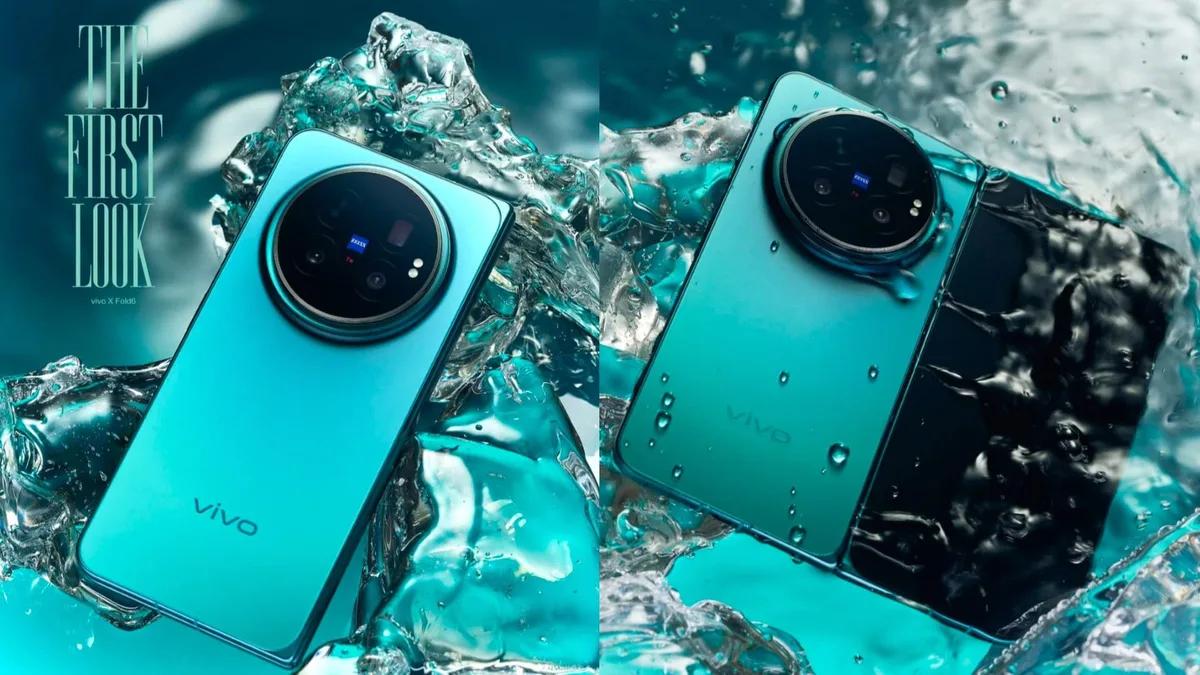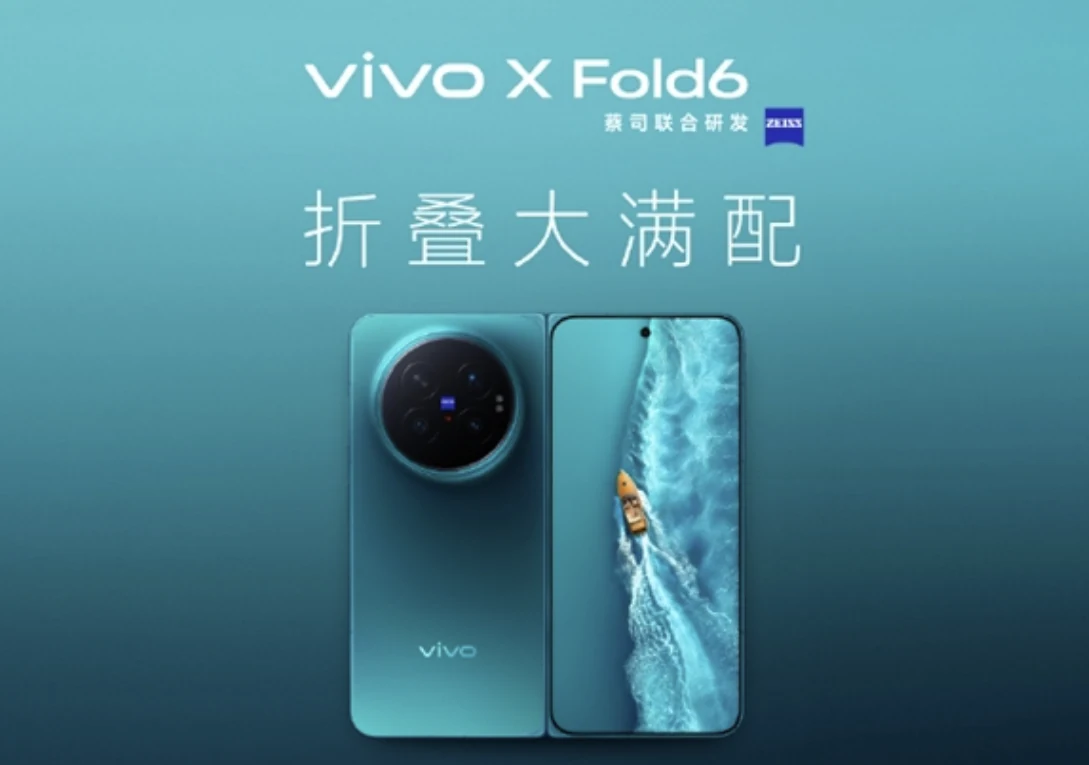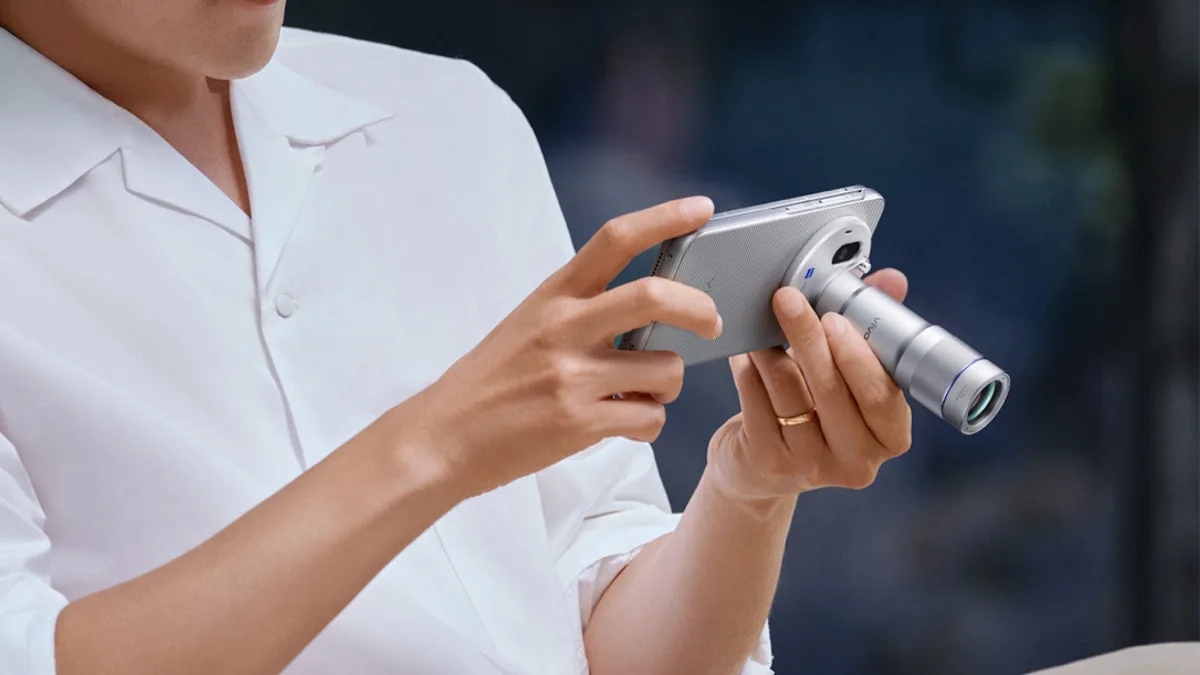
The newest Vivo X Fold6 camera report is another sign that foldables are moving beyond the old argument about hinges and screen creases. A book-style foldable already has to prove that it is thin enough, strong enough, and useful enough when opened. Now Vivo appears to be pushing the camera question harder, and that could make the next round of foldables more interesting for buyers who care about photography.
The detail that stands out is support for a 200mm teleconverter accessory. That is not the same as simply adding another digital zoom button inside the camera app. A teleconverter can change the way a phone approaches distant subjects, portraits, travel shots, and stage photography. If Vivo executes the idea well, the X Fold6 could become one of the few foldables that feels camera-first instead of merely productivity-first.
Android Authority reported that Vivo has confirmed several X Fold6 camera and display details, including the 200mm Zeiss teleconverter angle. The report frames the phone as a serious rival to Samsung's next premium foldables, which matters because camera performance has often been one of the easiest places to criticize foldable hardware.
The leak also changes the way the X Fold6 should be judged. Foldables have usually been reviewed through display comfort, multitasking, battery life, and durability. Those still matter, but a stronger zoom system could pull photographers and travelers into the conversation. It gives Vivo a clearer identity than simply being another thin, large-screen Android foldable.
That identity connects naturally with our earlier look at how the Vivo X Fold6 PC mode turns the foldable into a desk device. Vivo seems to be building the phone from two ends at once: one side for productivity, the other for imaging. If both sides are polished, the device could appeal to users who want a tablet-like work surface and a stronger camera than most foldables offer.
There are still practical questions. A teleconverter has to be easy to mount, stable enough for real use, and worth carrying. If it feels fragile or awkward, the feature may end up as a spec-sheet talking point. Vivo will also need software that handles focus, stabilization, color tuning, and exposure properly at longer focal lengths. Hardware alone will not make the zoom experience convincing.
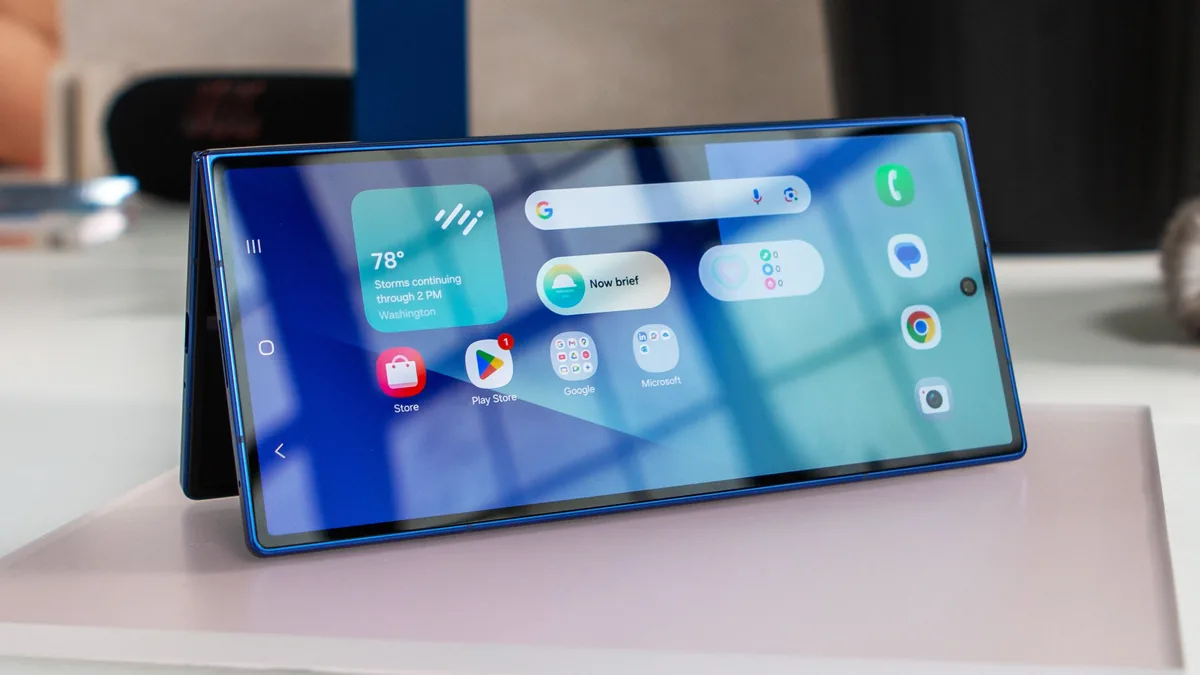
Samsung should be watching closely. Galaxy Z Fold buyers have long asked for better cameras, but foldable thickness and internal space make that difficult. Vivo may be using accessories to work around that constraint. It is a different answer to the same problem, and it could put pressure on Samsung to explain why its most expensive foldable should still lag behind slab flagships in imaging.
The X Fold6 camera leak is not only about one accessory. It suggests that foldable brands are searching for new reasons to upgrade. Bigger screens and slimmer hinges are no longer enough by themselves. The next persuasive foldable may need to feel like a camera, tablet, and phone at the same time without becoming annoying to carry.
The next useful leak will be pricing, because an accessory-led camera system only works if buyers can justify the whole kit. A foldable is already expensive, and a separate teleconverter could push the package into enthusiast territory. Vivo therefore needs a clean bundle strategy, strong launch demos, and sample images that show the difference immediately. If the zoom advantage is obvious, the accessory becomes a strength. If it is subtle, many buyers will leave it in the box.