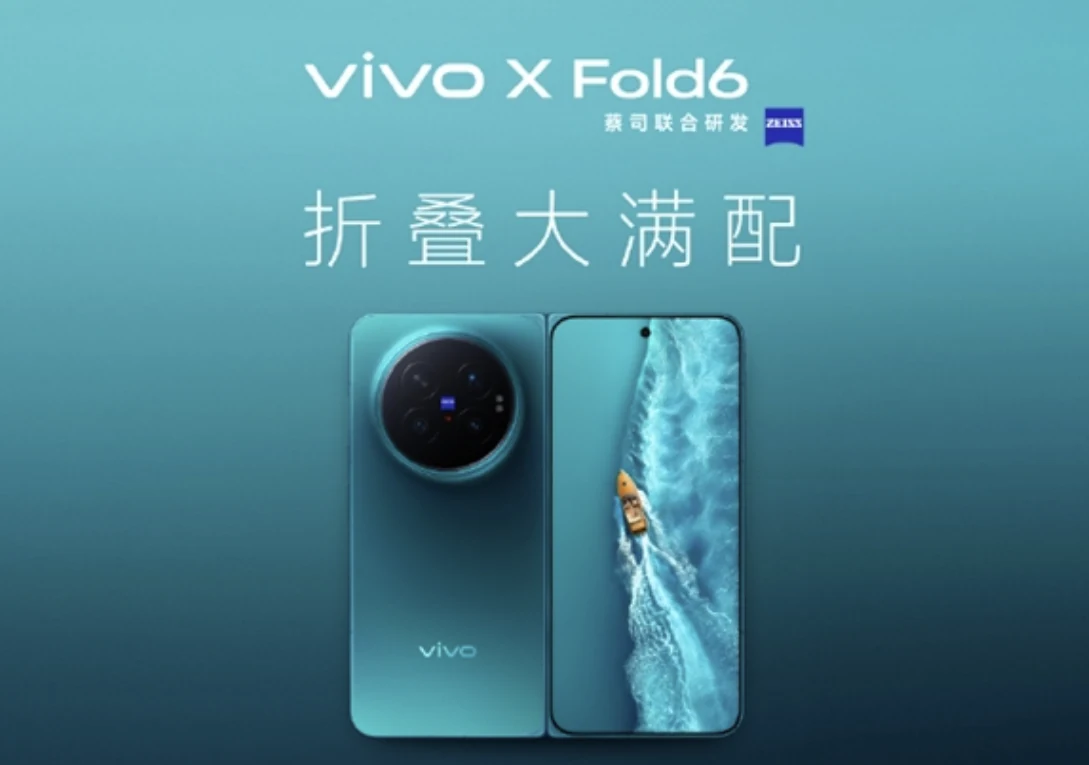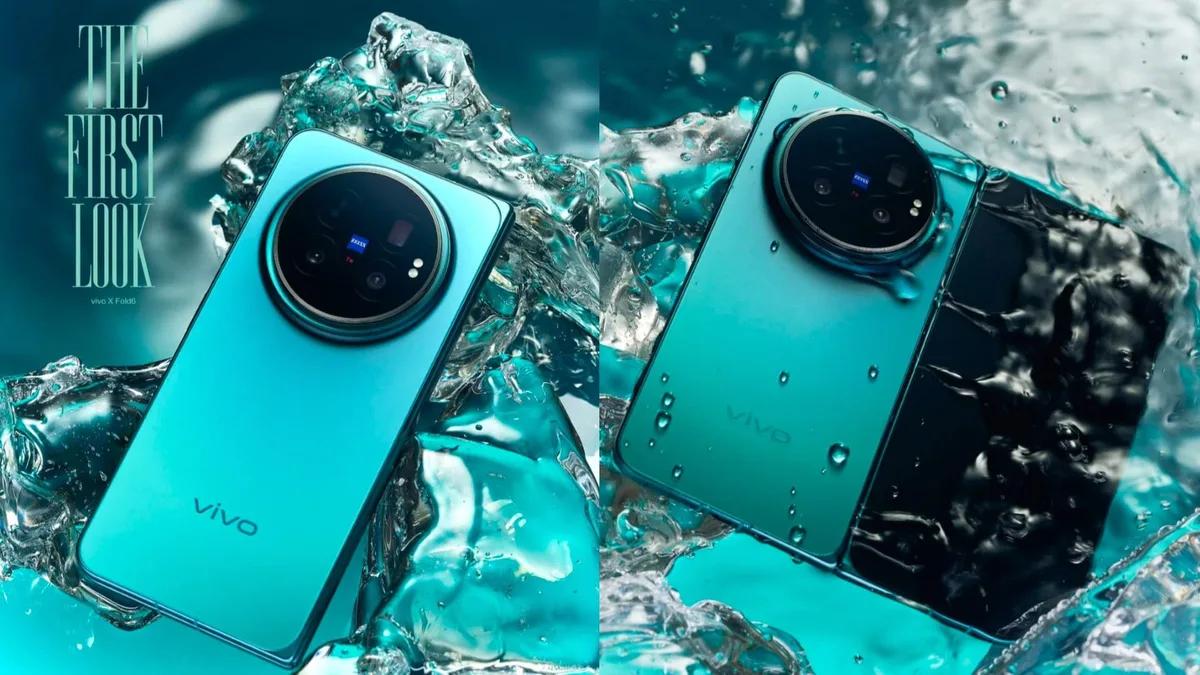
vivo's X Fold6 story is notable because it treats the foldable phone as an AI workspace, not merely a larger phone. That is a more convincing direction for book-style foldables. The category has already proven that screens can bend and hinges can survive. The next question is what the larger canvas does better than a normal slab phone.
An Agent Phone framing gives vivo a clearer answer. If AI can understand tasks, pull files, organize windows, summarize context, and move information between apps, a foldable display becomes more useful. The extra space is not just for watching video. It becomes a place where several parts of a task can stay visible and connected.
This builds on our coverage of vivo X Fold6 buyer expectations. A premium foldable has to justify its cost with daily usefulness. Thinness and camera specs matter, but productivity is where a larger inner display can make a buyer feel the difference.
Leiphone described vivo as remaking the foldable around an Agent Phone concept, with emphasis on multitasking, file intelligence, and AI-assisted workflows. That positioning is more ambitious than another hardware refresh.
The challenge is execution. AI workspace features can become messy if they require too many gestures, break across apps, or feel unpredictable. A foldable productivity system needs clear window behavior, strong file search, privacy controls, and enough app support to avoid feeling like a demo limited to first-party tools.
If vivo gets the software right, the X Fold6 could help shift foldables into a more durable role. The market does not need every foldable to be thinner by another fraction of a millimeter. It needs devices that make complex phone tasks less cramped. AI may finally give the large inner screen a job worthy of its price.
A foldable agent phone has to justify both halves of the phrase. The large inner screen should make planning, reading, comparing, and multitasking easier, while the agent layer should reduce the taps needed to move between apps. If either side feels weak, buyers are left with an expensive foldable that talks more than it helps.
vivo has an opportunity because foldables naturally suit task-heavy users. Travel planning, document review, shopping comparison, and chat-based work all benefit from more space. The risk is that agent features become demos tucked into a launch event instead of reliable shortcuts people use every day. Foldable owners will forgive thickness sooner than they forgive software that interrupts their rhythm.
The X Fold6 story points toward a broader change in phone competition. Hardware differentiation is getting harder, and AI alone can feel invisible. A foldable that makes agent actions visible on a larger canvas could give the category a clearer reason to exist, provided vivo keeps privacy, speed, and app compatibility under control.
The most convincing agent features may be small. Summarizing a long chat beside a calendar, turning a screenshot into a task list, comparing two product pages, or drafting a reply while a document stays open could make the inner display feel necessary. If vivo focuses on those ordinary moments, the X Fold6 can sell productivity without pretending that every user wants a futuristic assistant running the entire phone.