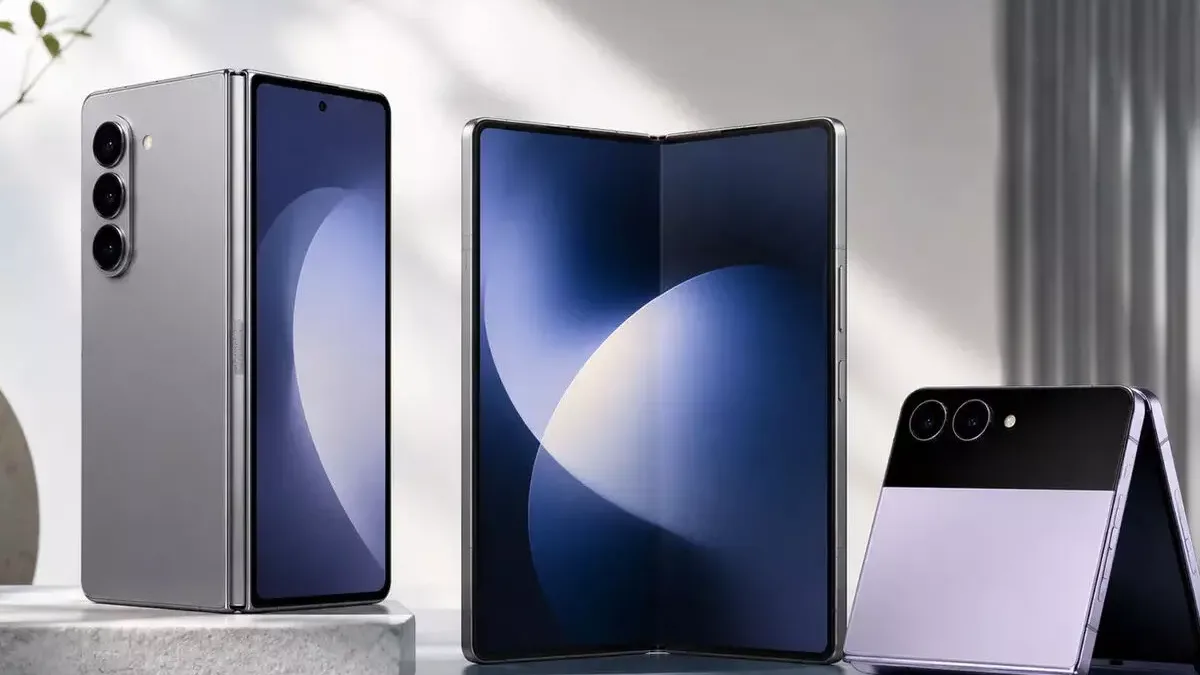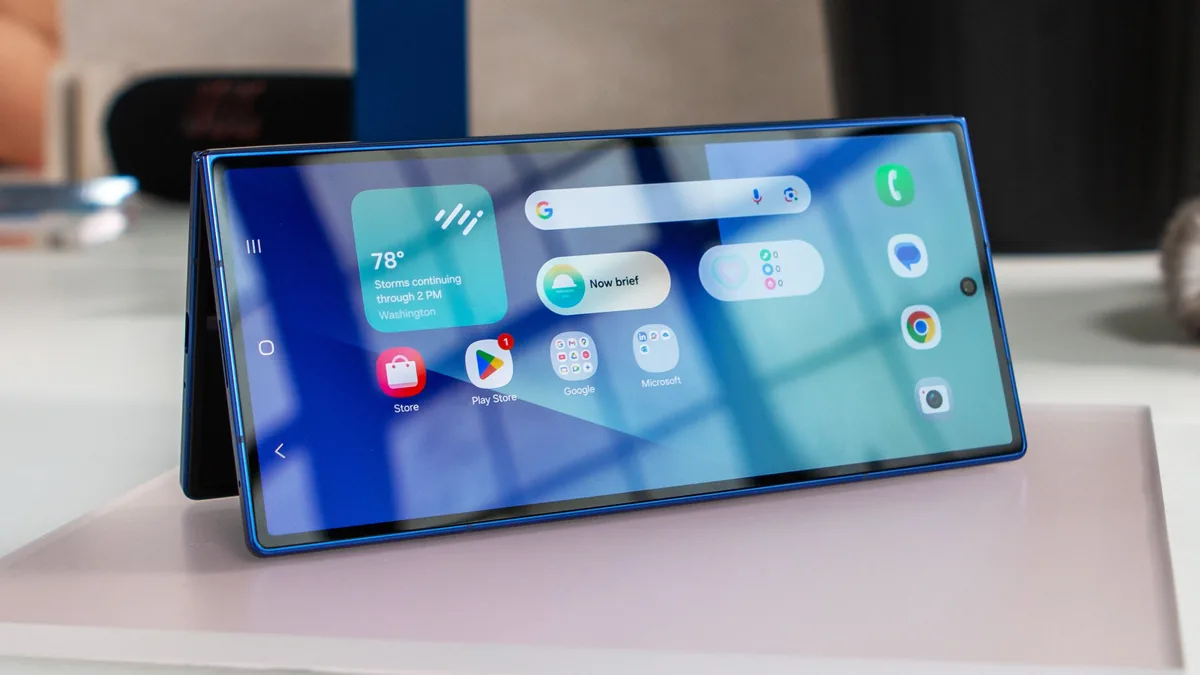
Samsung foldable leaks used to be easy to summarize: thinner body, better hinge, brighter display. The latest Galaxy Z Fold 8 Wide report is more interesting because it points to a more deliberate split inside Samsung's foldable family. Instead of one flagship Fold trying to satisfy everyone, Samsung appears to be testing how far it can stretch the screen shape and feature mix before the device becomes a different kind of product.
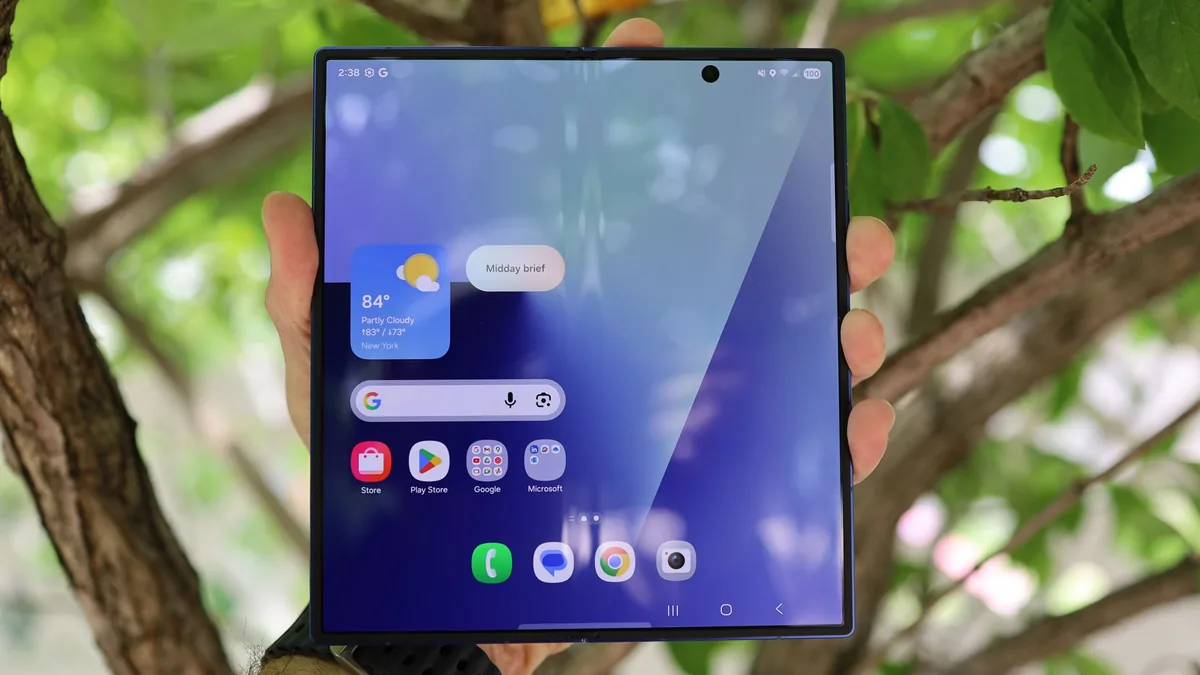
The word "wide" is doing a lot of work here. A wider outside display would address one of the longest-running Fold complaints, because many people still treat Samsung's cover screen as a compromise compared with a normal flagship phone. If Samsung makes the front display feel less narrow, the inner display becomes a bonus rather than a rescue screen. That changes how often people open the device and how useful the phone feels during quick tasks.
A detailed specs leak also matters because Samsung has pressure from two directions. Chinese foldables have pushed thinness and battery size aggressively, while Apple rumors have made the future foldable market feel more premium. We recently covered how a Galaxy Z Fold8 Ultra screen leak kept the display discussion alive, and this new report sits in the same lane: Samsung may be preparing several foldable identities at once.
The specifications discussed by Android Central suggest a device that is still recognizably a Galaxy Fold but tuned around a wider shape and familiar high-end hardware. Until Samsung confirms the product, every number should be treated as pre-launch information. Even so, the pattern is useful because it shows which compromises Samsung may be trying to fix first.
The camera section will be watched closely. Foldables have often cost more than slab flagships while offering camera hardware that feels one step behind. A wider body may give Samsung more freedom, but the company still has to manage thickness, hinge space, battery, and heat. If the Fold 8 Wide keeps a familiar camera stack, Samsung will have to sell the shape and productivity benefits harder. If the cameras improve meaningfully, the device becomes easier to justify.
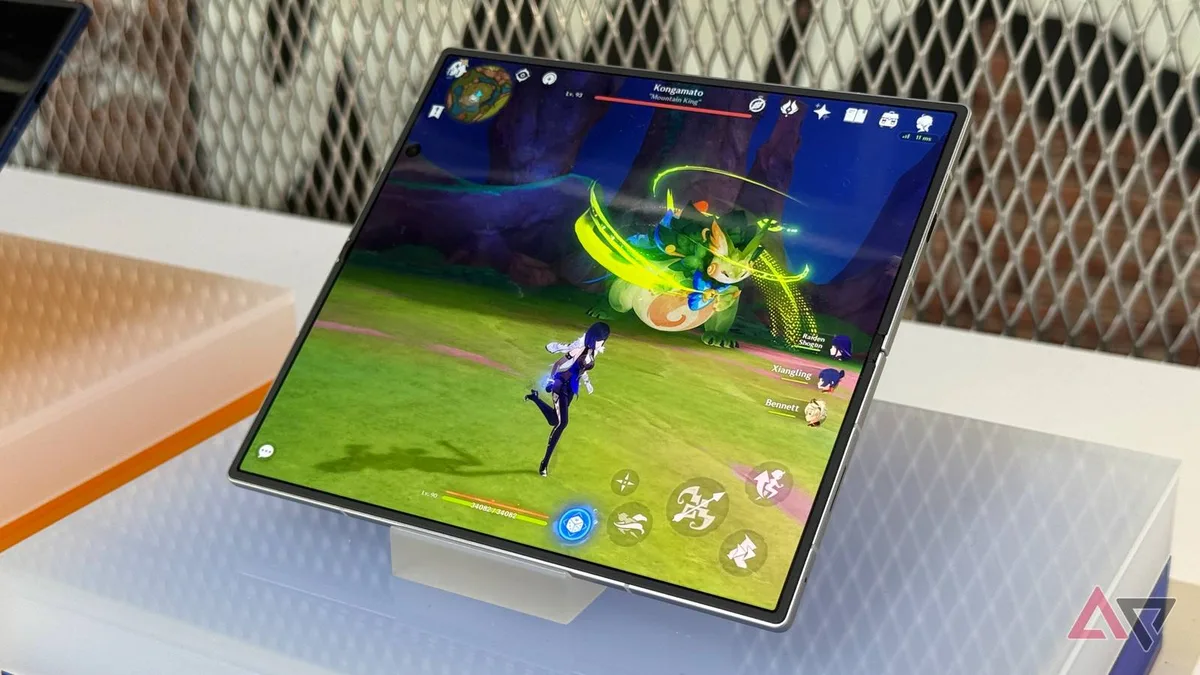
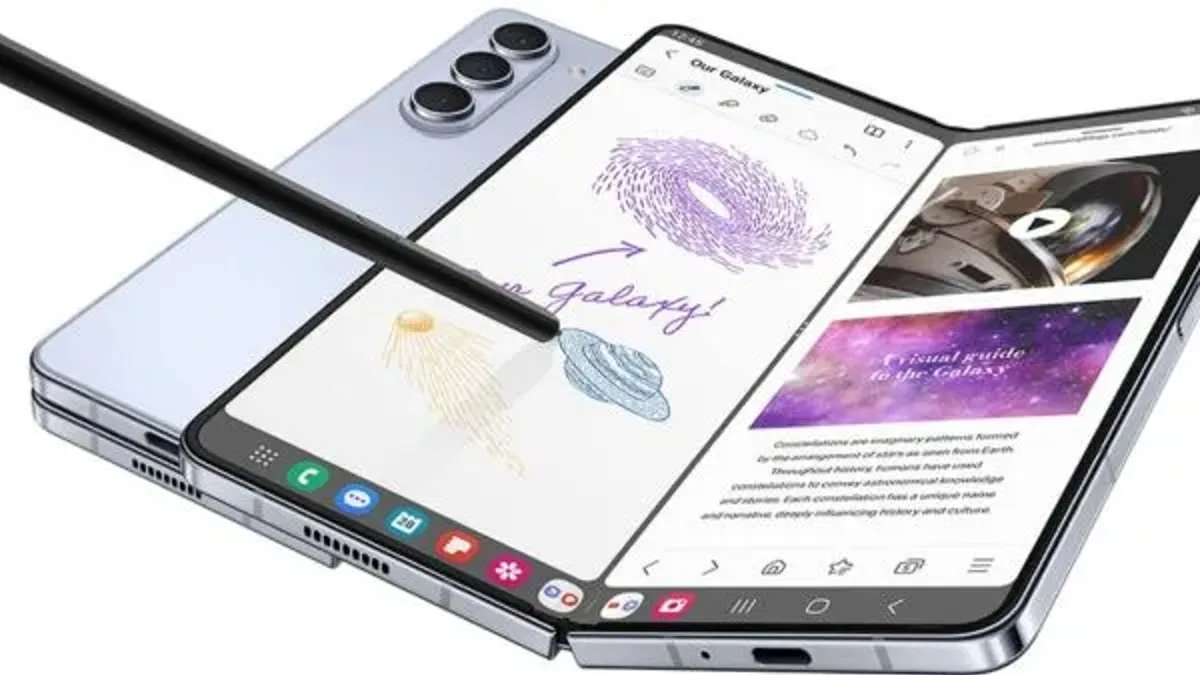
Software is the other half of the story. A wider Fold is only valuable if One UI makes the outer and inner displays feel continuous. Better split-screen behavior, cleaner app scaling, stronger taskbar logic, and stylus-friendly workflows would all matter more than a raw spec sheet. Samsung has years of foldable software experience, but the category still needs fewer moments where apps look stretched or awkward.
The likely risk is price. A wider, better equipped Fold could make Samsung's lineup more exciting, but it may also raise the entry point for the best experience. That leaves room for a standard Fold, a Wide model, and perhaps an Ultra-style product, but too many names can confuse shoppers. Samsung needs the difference to be visible in hand, not just on a comparison chart.
For now, the Galaxy Z Fold 8 Wide leak should be read as a design-direction clue. Samsung seems to know that its next foldable cannot rely only on being thinner. It has to feel more like a normal phone when closed and more like a compact tablet when open. If the leaked direction holds, the Fold 8 generation could be less about novelty and more about removing the daily friction that has kept foldables from becoming mainstream.