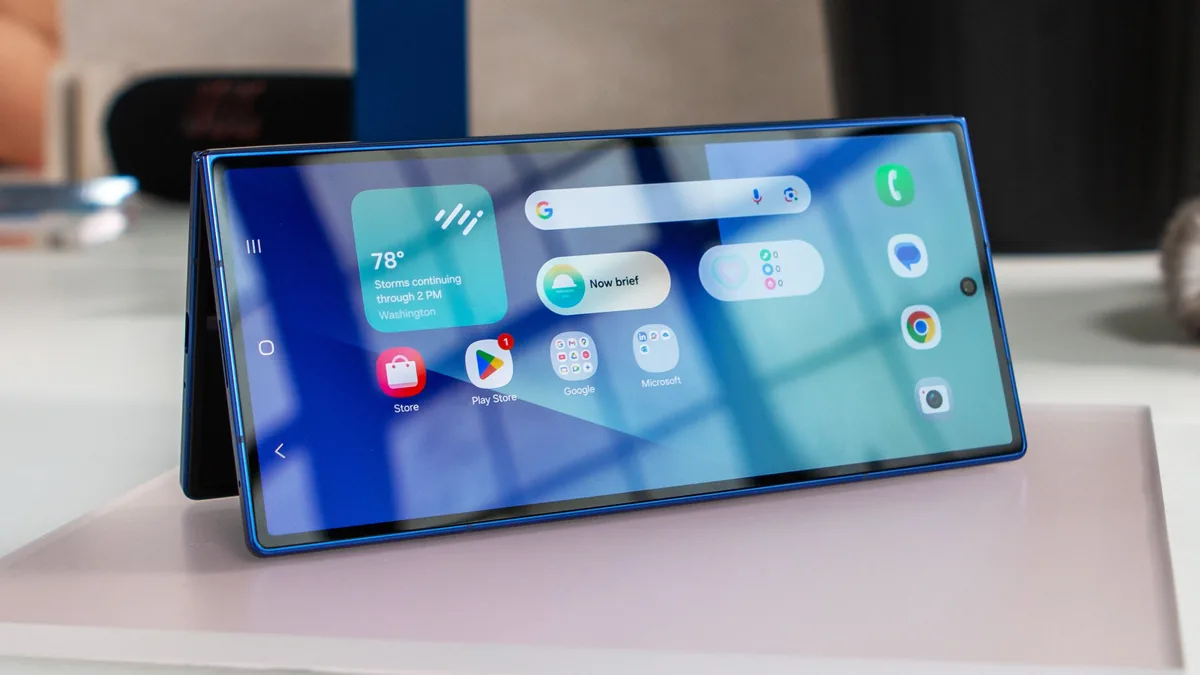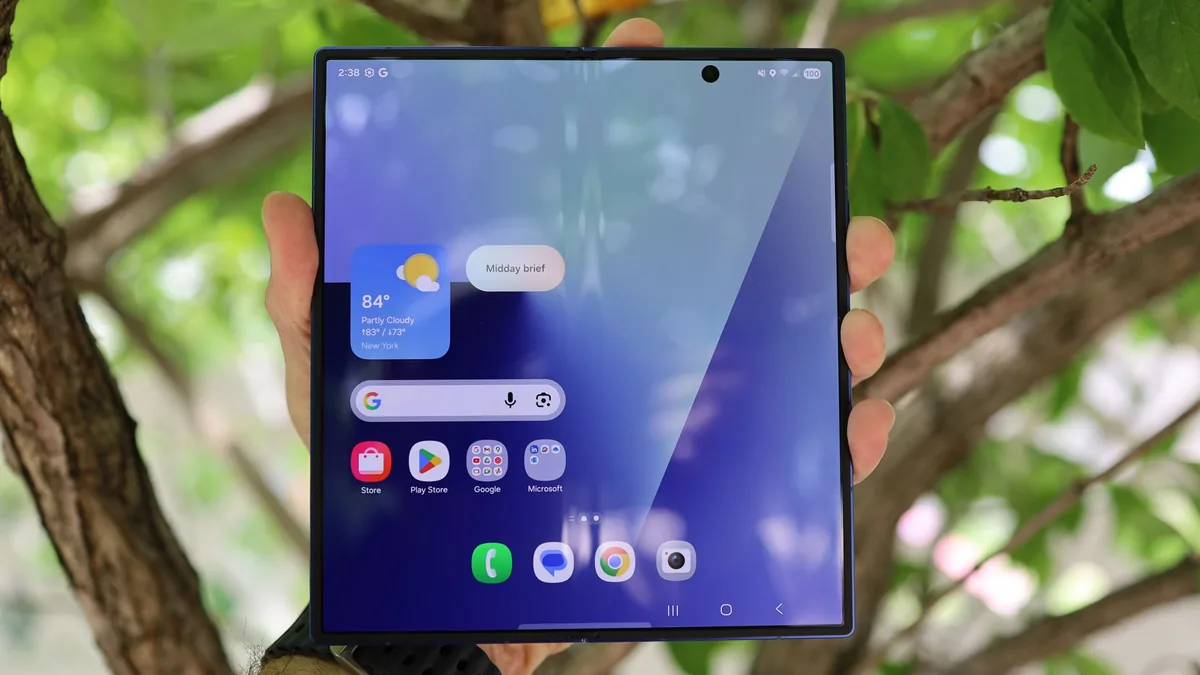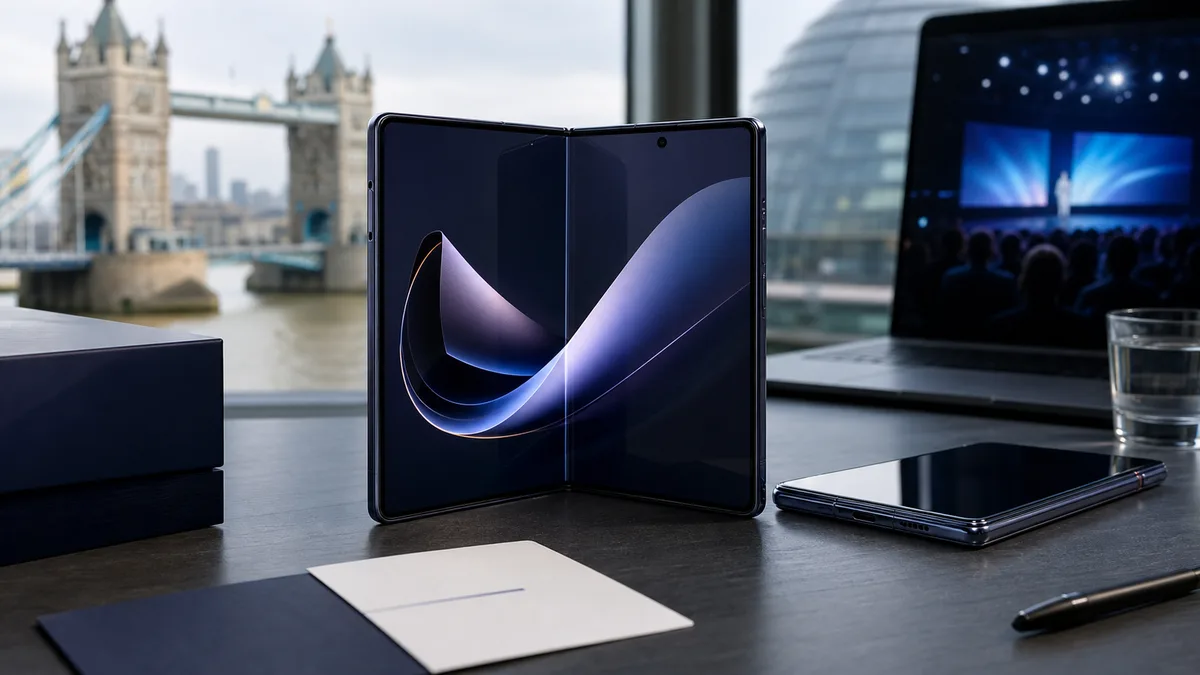
The Galaxy Z Fold 8 crease leak is a reminder that foldable progress is now about small details that users see hundreds of times a day. A thinner body gets attention, but a cleaner center line can change how premium the whole device feels when reading, editing photos, or using two apps side by side.
Samsung has lived with the crease conversation for years because it was first to make book-style foldables feel normal in many markets. The problem is that normal is no longer enough. Buyers paying flagship money want the inner display to look less compromised without losing hinge strength or water resistance.
That pressure fits with our recent look at the Fold 8 productivity question. A better crease matters, but Samsung still has to explain how the larger screen helps people work, write, watch, and multitask better than a slab phone.
The latest piece from Android Police frames the crease reduction as the clearest design clue around Samsung's next foldable. It is the kind of report that sounds cosmetic at first, yet it goes directly to durability, perception, and whether the Fold line can keep charging a premium.
A flatter display usually means a more complex hinge path, new panel layers, or both. That can affect weight, repair cost, dust resistance, and how the screen behaves after thousands of folds. Samsung has to improve the visible crease without introducing a weaker mechanical tradeoff somewhere else.
The buyer angle is simple. People who skipped earlier Folds often did so because the inner screen looked unfinished for the price. If the Fold 8 meaningfully softens that line, Samsung gets a more direct answer to one of the easiest objections in the store.
Competition is also forcing the issue. Chinese foldables have pushed thinner frames, wider cover screens, and smoother inner displays, even when global availability is limited. Samsung cannot rely only on brand trust if rival hardware makes its design look old in side-by-side photos.
The leak does not settle the bigger questions around cameras, battery capacity, S Pen support, or pricing. It only suggests where Samsung may be spending engineering effort. That makes it useful, but not enough to call the Fold 8 a major redesign yet.
The next credible signal would be a panel supplier detail, a hinge patent that matches the claim, or a production sample image under harsh lighting. Crease reports are easy to exaggerate until someone can compare devices at the same angle.
There is also a trust factor around repairability. Foldable buyers know the hinge and inner display are the expensive parts, so a cleaner crease has to arrive with confidence about warranty coverage and long-term durability. If Samsung can show that the flatter fold does not make the phone more delicate, the design improvement becomes easier to recommend to cautious upgraders.
The cover screen should not be ignored either. A better inner panel helps the Fold feel more premium, but people still use the outside display for quick replies, payments, navigation, and photos. Samsung's strongest version of this upgrade would combine a less visible crease with a cover-screen shape that feels less cramped during normal phone use.
If the report holds, the Fold 8 may be less about a flashy new feature and more about removing the visual reminder that foldables still involve compromise. For a mature flagship line, that kind of polish can be the upgrade that actually sells.