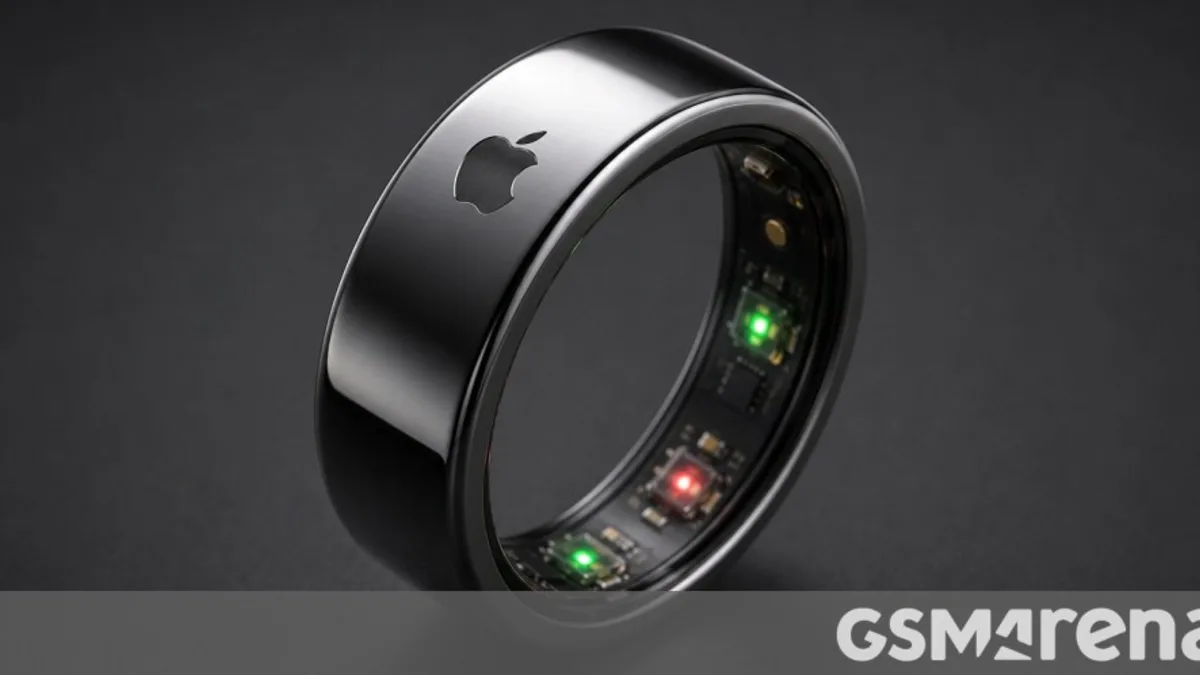
Apple does not need a smart ring to replace the Apple Watch. It needs a smart ring to answer a different kind of wearable user. Some people want passive health tracking without a screen on the wrist, a bedtime device that does not feel like a watch, or a smaller sensor package that disappears into daily life. That is why the latest Apple smart ring rumor is interesting even before any official product exists.
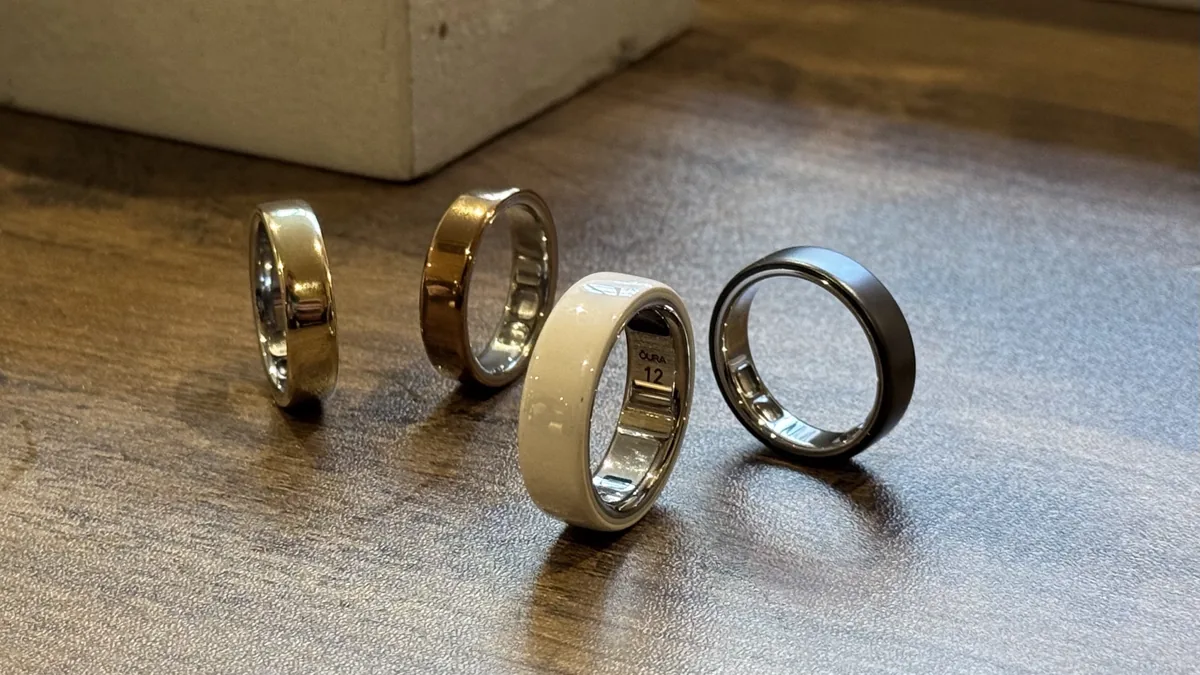
The category is no longer empty. Oura, Samsung, Amazfit, and smaller brands have trained buyers to understand sleep, readiness, temperature trends, and recovery through a ring form factor. We recently looked at how an Apple smart ring rumor gained a second source, and the new report keeps that discussion alive rather than treating it as a one-off wish.
Wareable reports that an industry leaker claims an Apple smart ring, informally described as an iRing, has entered active development. That wording still leaves plenty of uncertainty. Active development can mean exploration, prototyping, supply-chain testing, or a product path that never reaches stores.
If Apple does move forward, the product has to avoid feeling redundant. The Watch already tracks health, shows notifications, handles workouts, supports payments, and anchors Apple's wearable ecosystem. A ring would need a quieter job: better sleep comfort, longer battery life, background biometrics, and perhaps a more private way to collect health trends.
Sizing would be one of Apple's biggest retail challenges. Watches have bands; rings need precise fit. Apple Stores could handle sizing kits and exchanges, but online buying would need a frictionless process. A smart ring that is uncomfortable by half a size becomes a return, not a lifestyle device.
The software story may be the real advantage. Apple can tie ring data into Health, Fitness, sleep analysis, iPhone notifications, and perhaps future AI coaching. The hardware might be small, but the ecosystem around it could be large.
The rumor should be treated carefully, yet the strategic logic is clear. Apple likes categories where hardware, sensors, services, and daily habit meet. A smart ring fits that pattern, especially if the company wants a wearable that can live on the body when the Watch is charging.
Health accuracy would be the hardest promise to make. A ring can gather useful signals, but fingers change temperature, swell, move during sleep, and interact with daily objects more than people realize. Apple would need careful sensor placement and clear explanations of what the ring can and cannot measure. If the product arrives, it should avoid pretending to be a medical device unless Apple is ready for the regulatory burden that comes with stronger claims.
The ring could also become Apple's quietest wearable. No screen means fewer distractions, fewer battery drains, and fewer reasons to check another device. That may be the real appeal. In a world where every gadget wants attention, a smart ring can win by staying mostly invisible while still feeding useful data into the iPhone and Health app.
A smart ring could also help Apple reach people who do not want another screen. Sleep tracking, readiness scores, and passive health trends work best when the device fades into the background. If Apple can make the ring comfortable enough for overnight use and accurate enough to complement the Watch, it could become a quiet extension of the health ecosystem rather than a direct replacement.