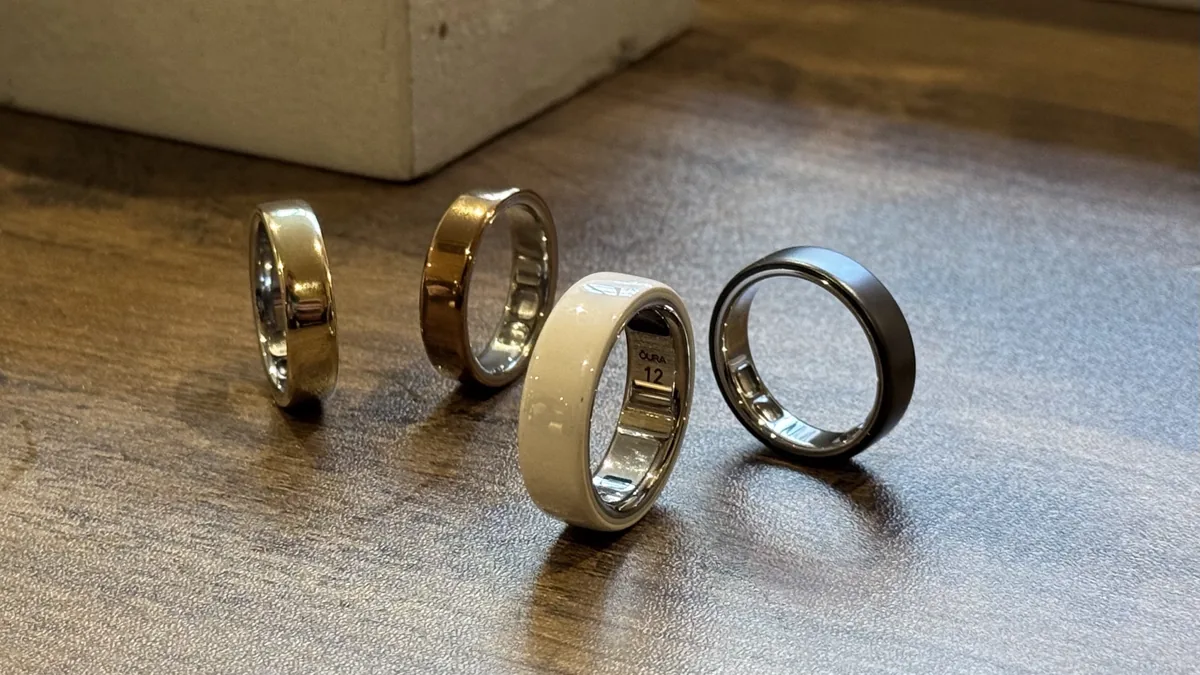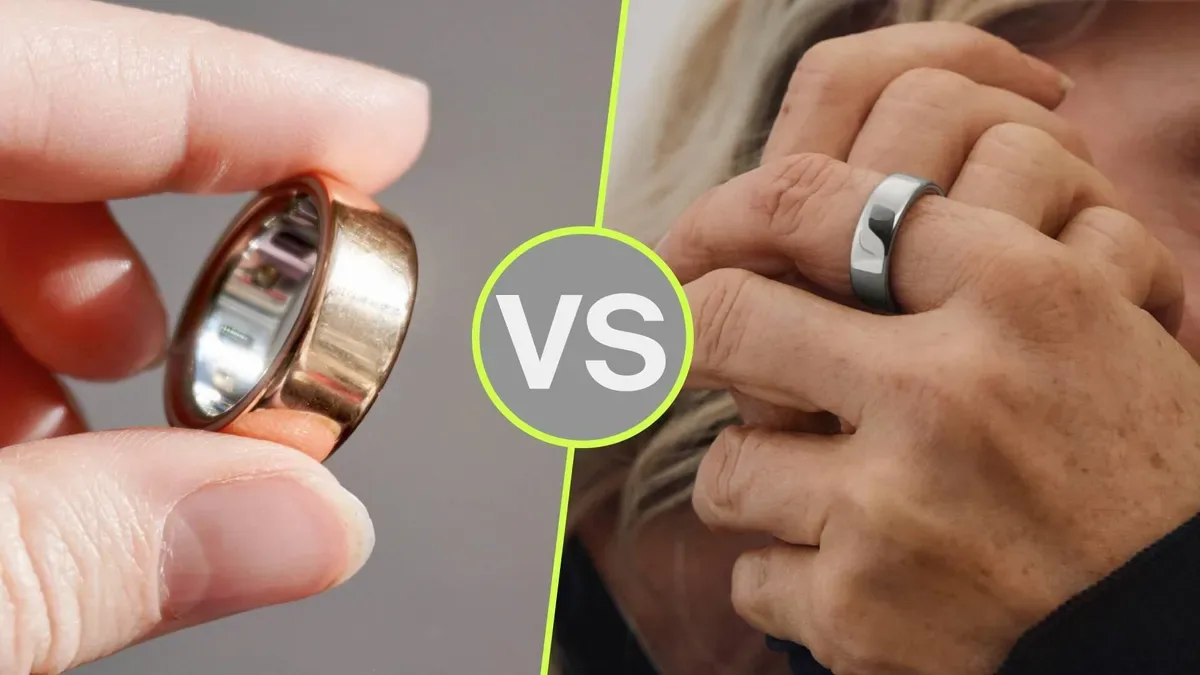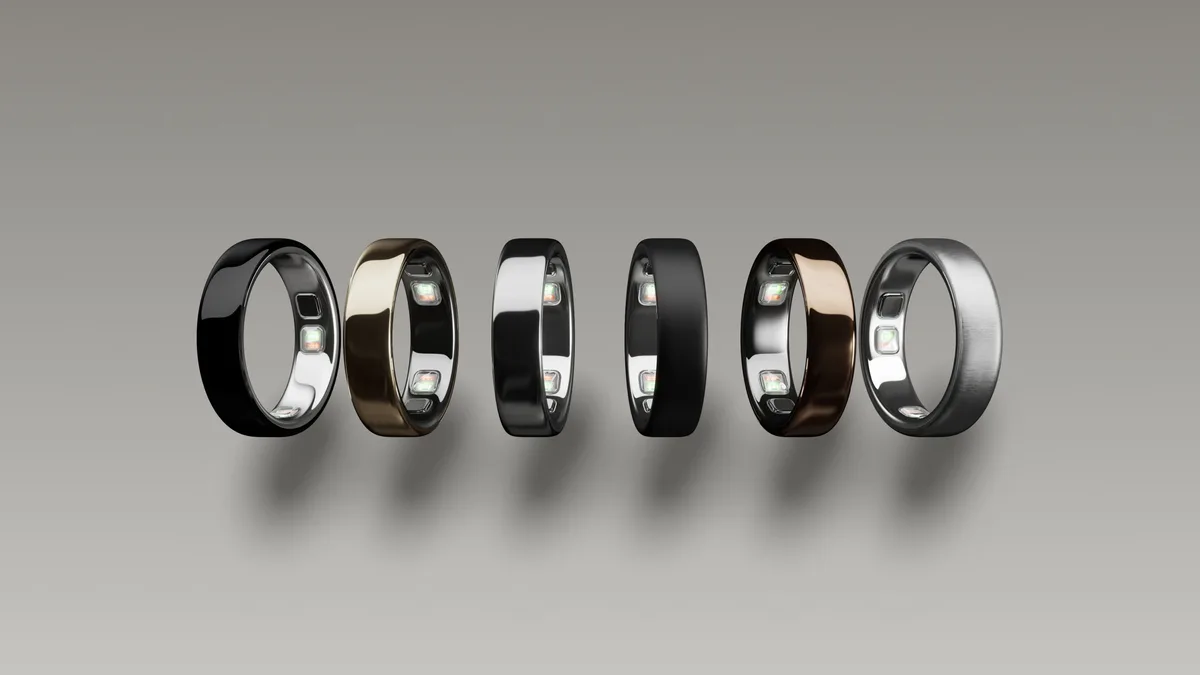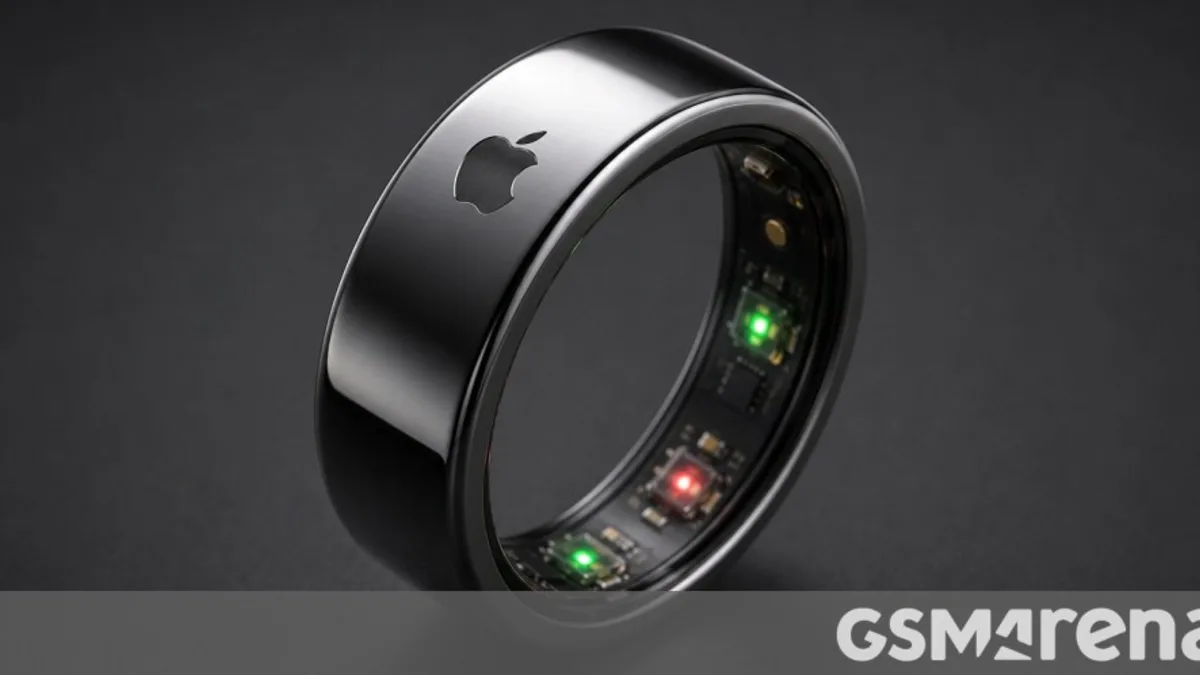
A second wave of Apple smart ring talk is notable because wearables are moving away from one dominant shape. The smartwatch is still the most flexible health device, but it is not the most comfortable option for every moment. Rings can be better for sleep, less distracting during work, and easier to wear with traditional watches. That gives Apple a potential opening without replacing the Apple Watch.
The appeal would depend on integration. A ring that only duplicates watch metrics would feel unnecessary. A ring that improves sleep tracking, recovery data, temperature trends, and passive health monitoring could make the Health app more useful. Apple would also have to solve sizing, charging, and sensor accuracy in a product with very little physical room.
Competition is moving quickly. Oura has the strongest name recognition, Samsung has ecosystem scale, and lower-cost brands are teaching buyers that a smart ring does not need to be exotic. Apple's advantage would be trust, software integration, and the ability to connect ring data with iPhone, Watch, Fitness, and medical features.
GSMArena reports that a new rumor claims Apple has started working on a smart ring. The report is still a rumor, but it adds another signal that Apple is at least exploring the shape seriously.
The privacy question cannot wait until launch. We have already looked at why smart ring data needs stronger privacy defaults. Apple would likely lean on that exact point, but it would need to explain what stays on device, what syncs to iCloud, and how third-party apps can access ring metrics.
The best argument for an Apple smart ring is not fashion. It is continuity. A ring could fill the health-tracking gaps left when users charge their Watch, sleep without it, or prefer a normal watch during the day. If Apple can make the ring feel invisible and useful, the category could move from enthusiast wellness accessory to mainstream iPhone companion.
Medical credibility will be part of the challenge. Apple has used regulatory clearances and research partnerships to strengthen the Watch's health reputation. A ring would need a similar path if it wants to be more than a lifestyle tracker. Casual readiness scores are useful, but Apple usually aims for broader health legitimacy.
A smart ring could also change Watch buying behavior. Some users may choose a cheaper Apple Watch if the ring handles sleep and recovery. Others may buy both because the devices cover different parts of the day. Apple would need to position the products carefully so they complement rather than cannibalize each other.
The rumor is also a warning to smaller competitors. The smart ring market has time to improve subscriptions, sizing, battery life, and app transparency before Apple arrives. If they do not, Apple's main innovation may simply be making the category feel trustworthy to people who ignored it until now.
There is a services question too. Apple could bundle ring insights into Fitness Plus, Health, or iCloud without creating a separate subscription, or it could decide advanced coaching deserves its own plan. That choice would shape public reaction. Smart ring buyers are already sensitive to subscription fatigue, and Apple would be judged against that backdrop.