Smart rings have reached the stage where buyers are no longer asking whether the category is real. They are asking which generation is worth paying for. That is a meaningful shift. Early smart rings had to justify their existence against watches. Newer models are judged against older rings, which means the category has created its own upgrade cycle.
The Oura Ring 5 comparison conversation is useful because rings improve differently from phones. A better display is irrelevant because there is no display. The important changes are subtler: sensor accuracy, battery life, charging behavior, app clarity, sizing options, subscription value, and whether health insights feel practical instead of decorative.
The mainstreaming of smart rings also changes expectations around comfort. A wearable that lives on a finger has to disappear physically. If it catches on objects, feels too thick, or makes exercise awkward, users will stop wearing it. That makes industrial design and long-term comfort just as important as the sensor story.
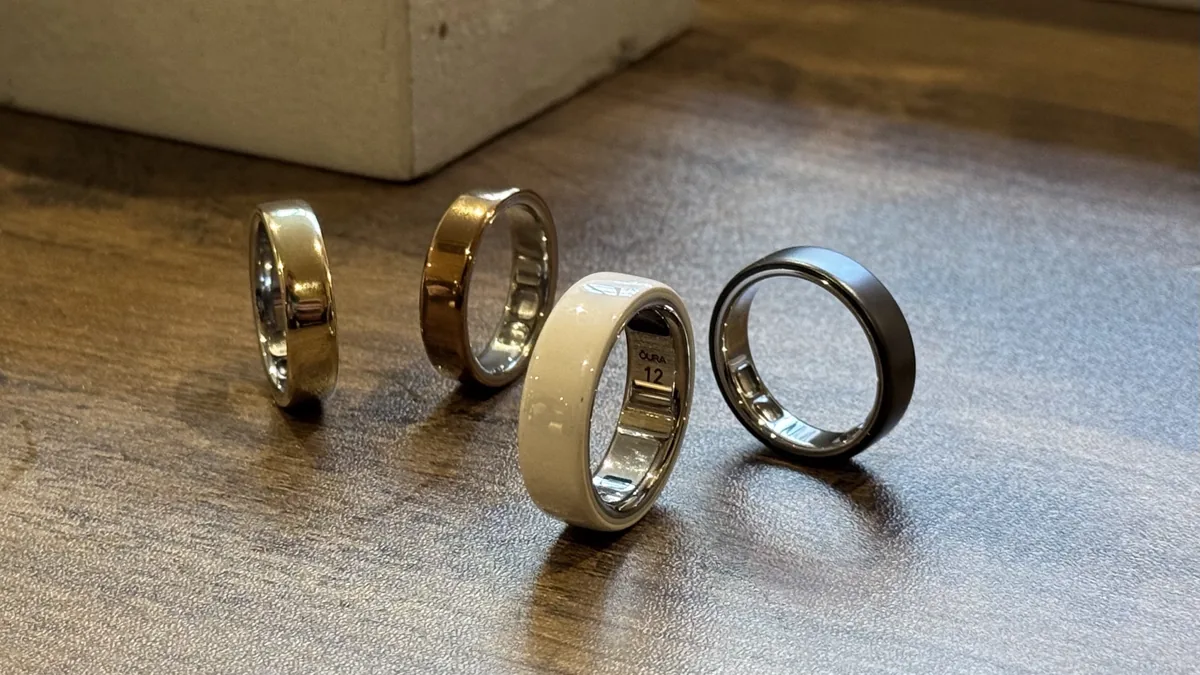
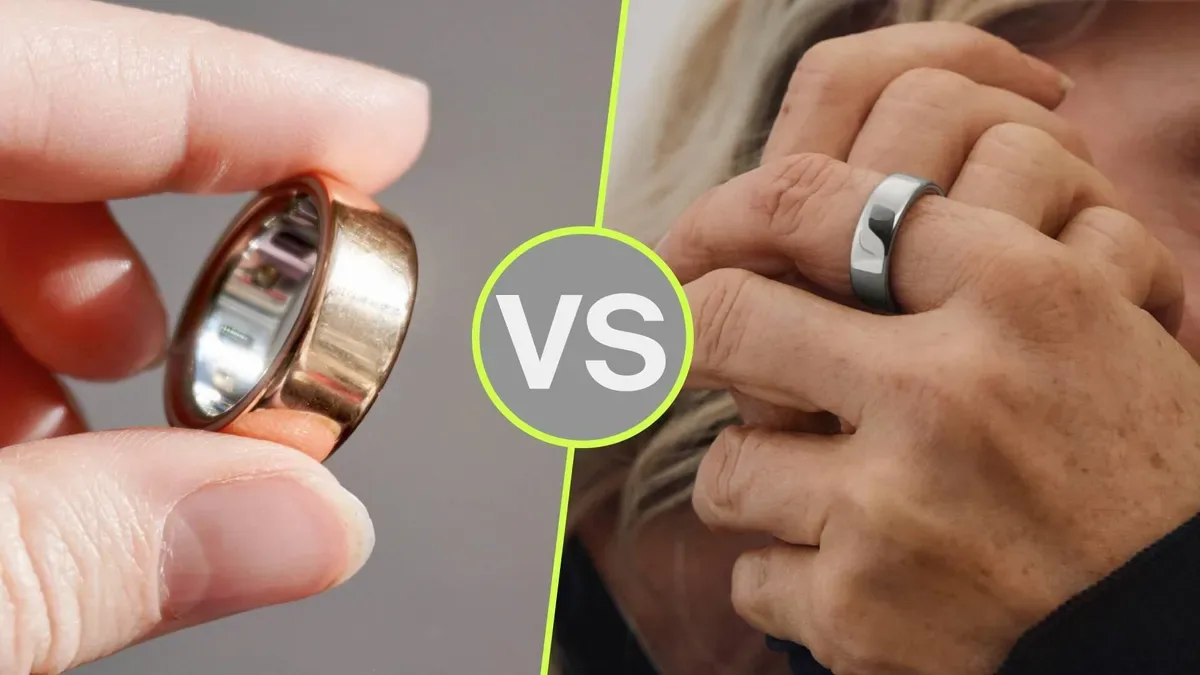
ZDNet compares the Oura Ring 5 with the Oura Ring 4, focusing attention on which version makes more sense for health tracking. That kind of comparison shows the category maturing into a normal buying decision rather than a novelty purchase.
The privacy side should not be treated as a footnote. We recently wrote about how wearable health data is creating new pressure on clinics and users. Rings add another stream of intimate signals, and the value of those signals depends on whether people trust how they are stored, interpreted, and shared.
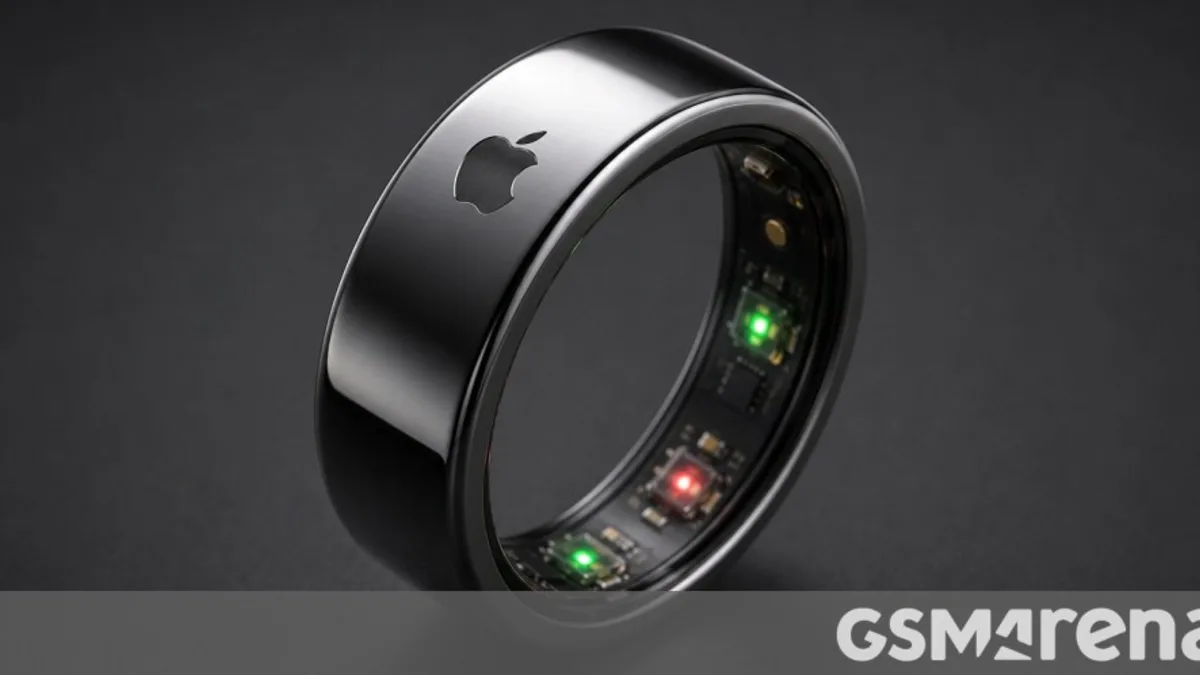
Oura's challenge is no longer awareness. It is maintaining a clear lead as Apple rumors, Samsung competition, and cheaper alternatives pull buyers in different directions. The smartest upgrades will be the ones users feel every day without thinking about them: better sleep confidence, fewer false recovery signals, stronger battery consistency, and an app that explains what matters without turning health into homework.
Subscription value is becoming part of the hardware decision too. Smart rings often sell a device and an ongoing insight layer. That can be reasonable if the app delivers clear coaching, trend interpretation, and reliable data. It becomes frustrating if basic metrics feel locked behind a monthly toll after an already expensive purchase.
Competition will push ring makers to explain accuracy more carefully. Heart-rate trends, sleep staging, temperature changes, and recovery scores can influence behavior, so vague wellness language is not enough. Users deserve to know what the device measures directly, what it estimates, and when the app is making a probabilistic guess.
The category's future may depend on trust more than features. A smart ring is intimate, passive, and easy to forget. That is its strength, but it also means it can collect sensitive data quietly. The winners will be the companies that make the device comfortable while making data practices impossible to miss.
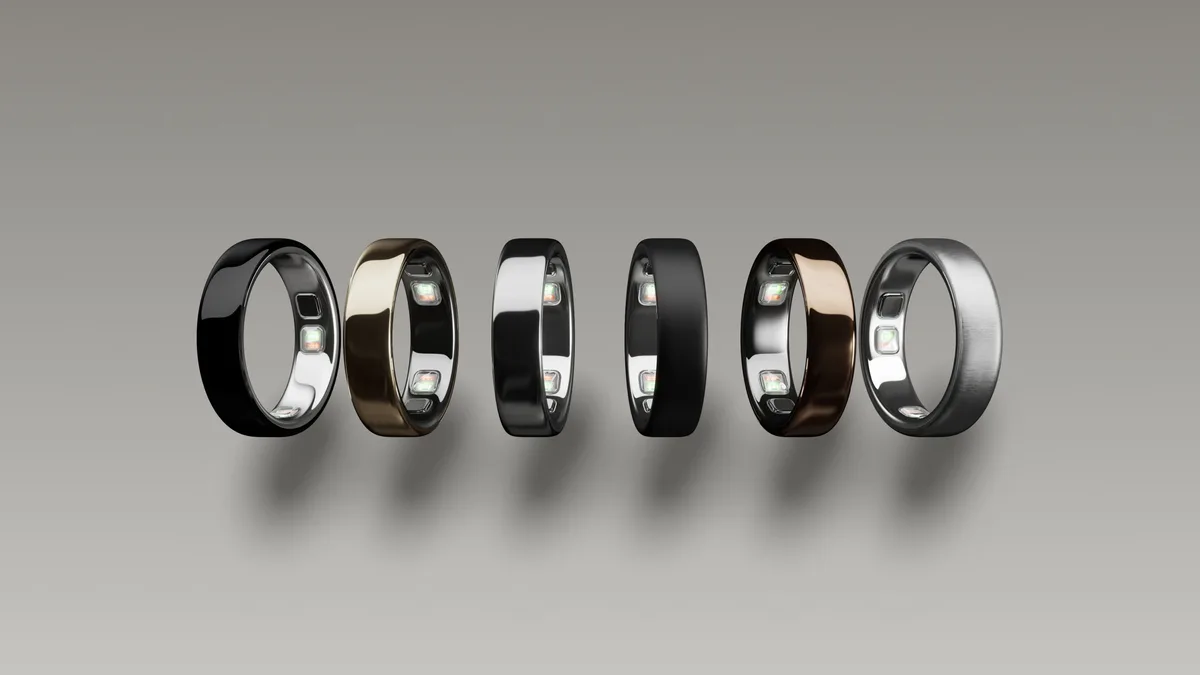
Smart rings will also have to become more inclusive in sizing and design. A product that works only for a narrow range of fingers, finishes, or lifestyles cannot become truly mainstream. The next phase of competition may be less about a new sensor and more about making the device comfortable for more bodies, jobs, workouts, and sleep habits.