The wearable market is splitting into two different ideas of usefulness. One path turns the wrist into a small computer, with apps, calls, notifications, payments, maps, and voice features. The other path tries to disappear. It focuses on health tracking, comfort, battery life, and fewer reasons to stare at another screen.
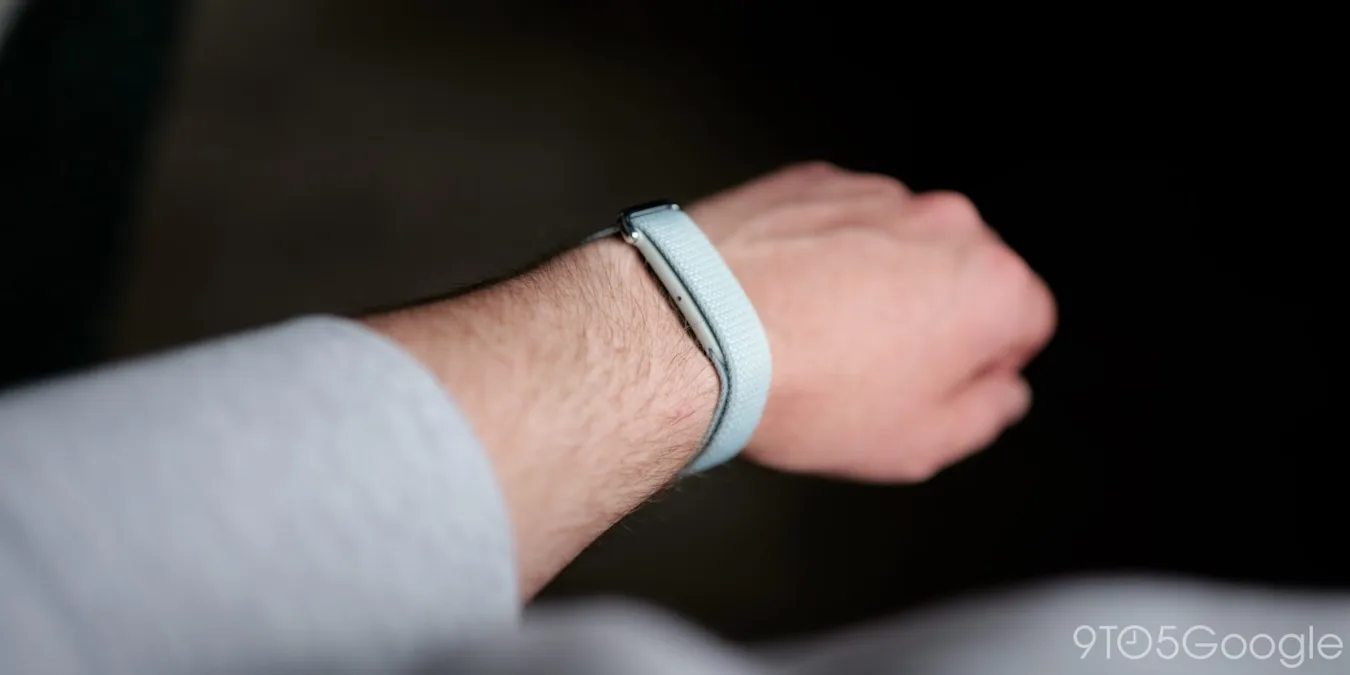
Fitbit Air appears to sit closer to the second path. That matters because not everyone wants a smartwatch to be a phone companion all day. Some people want steps, sleep, heart rate, readiness, recovery, and basic alerts without the weight or attention cost of a larger watch. The less visible tracker can be more useful precisely because it asks for less.
9to5Google published a hands-on perspective arguing that the Fitbit Air was compelling enough to replace a Pixel Watch in daily use. That is notable because it suggests the smartwatch is not always the natural endpoint for health wearables.
The privacy side should not be ignored either. Health tracking creates sensitive data, as discussed in our at-home DNA test privacy story. A smaller tracker may feel less intrusive physically, but the data it collects can still be intimate. Comfort does not remove the need for clear health-data controls.
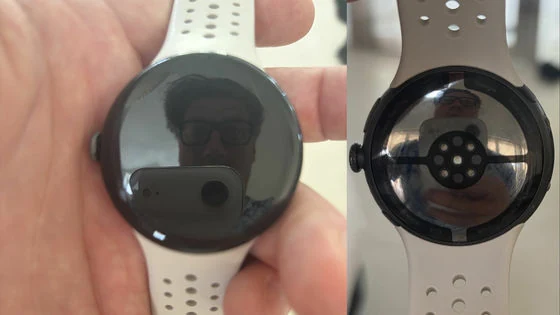
The product strategy is interesting for Google. Pixel Watch can remain the full smartwatch, while Fitbit can serve users who care more about passive tracking than apps. That separation may be healthier than trying to make one wearable satisfy everyone. Runners, sleep trackers, casual users, and notification-heavy users often want different tradeoffs.
Battery life is one of the biggest reasons simpler trackers still have appeal. A device that can be worn overnight without constant charging captures better health patterns. Sleep and recovery features become less useful if the device is on a charger when the data should be collected. Smaller, lighter wearables can win by being present more often.
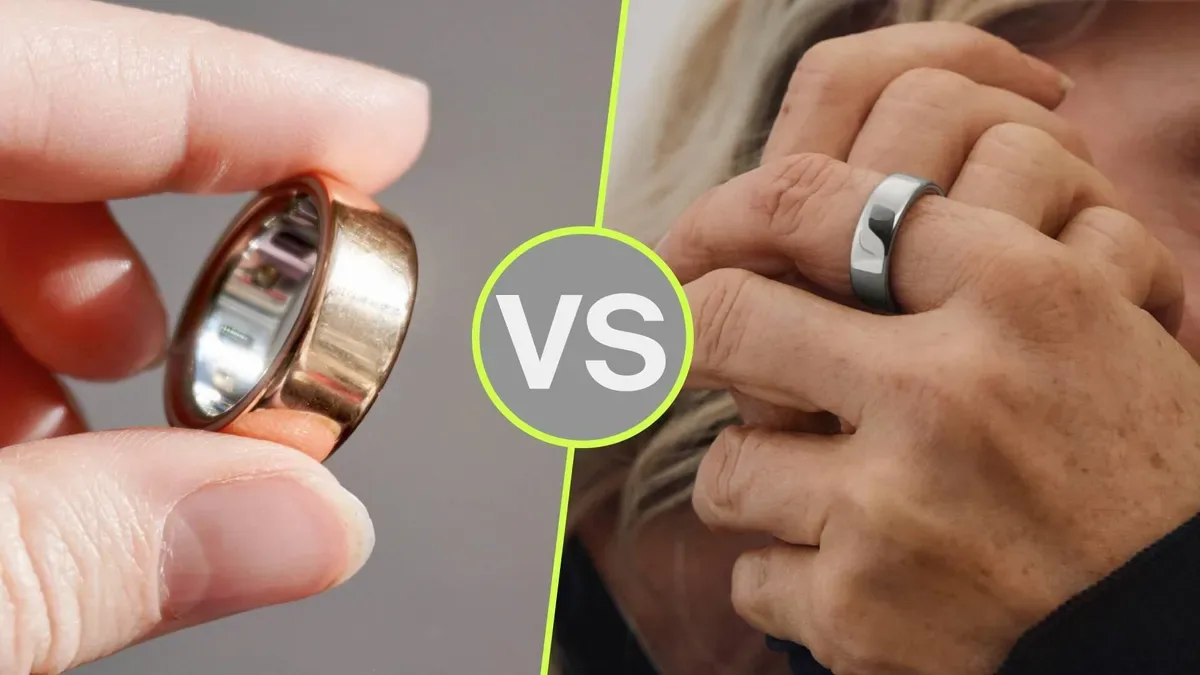
The future of wearables may not be one dominant form factor. It may be a set of devices that range from visible smartwatches to quiet trackers and rings. Fitbit Air points toward a market where less can be a feature. For many users, the best wearable is not the one with the most apps. It is the one they forget they are wearing until the data becomes useful.
This split could also help reduce upgrade fatigue. Smartwatch users often compare processors, displays, app support, and design changes. Tracker users may care more about whether the device is comfortable, accurate, and durable. That creates room for different product cycles and different expectations. A lightweight tracker does not have to pretend to be a tiny smartphone. It can win by doing fewer things consistently. If Fitbit Air succeeds, it may prove that the wearable market still has room for calm products in a category often obsessed with adding more.
The challenge for Google is keeping the lineup understandable. If Fitbit and Pixel Watch overlap too much, buyers get confused. If they separate clearly, Google can serve two audiences without forcing compromise. Fitbit Air works best if it is positioned as the quiet health companion, while Pixel Watch remains the richer smartwatch.