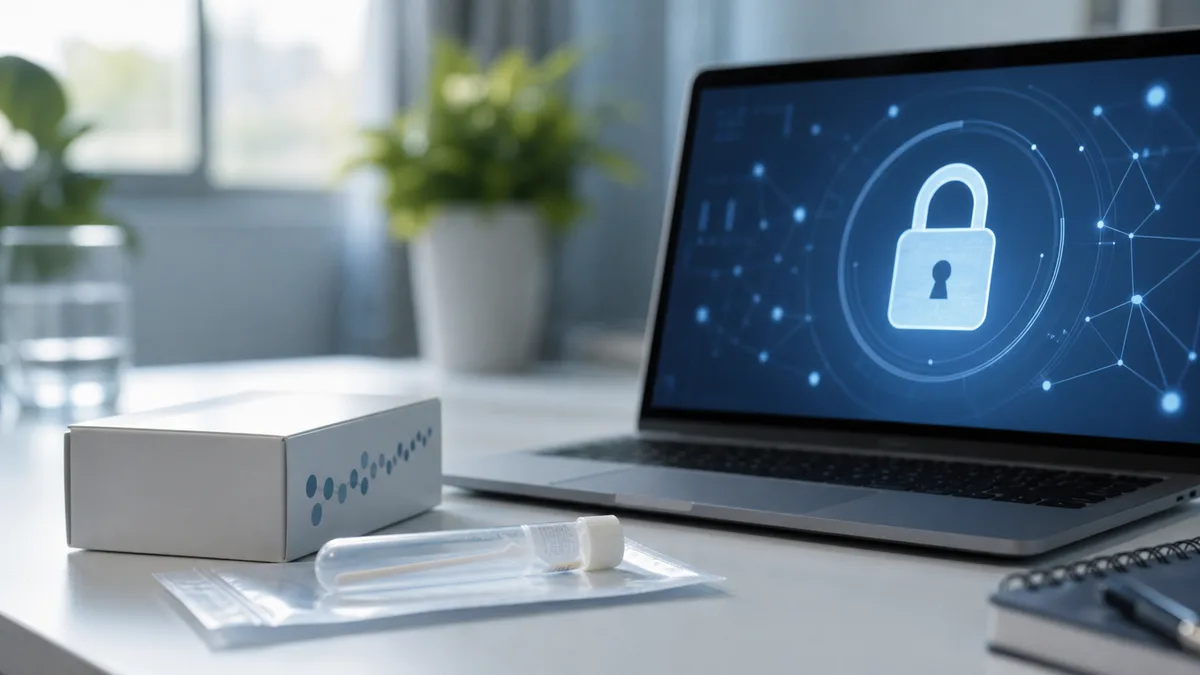
At-home DNA and health tests have become easy to buy, easy to use, and easy to forget about after the results arrive. That convenience is exactly why the privacy side deserves more attention. A saliva tube or health panel is not like a normal app signup. It can involve genetic markers, family relationships, disease risk, wellness inferences, and data that may remain sensitive for decades.
The consumer pitch is friendly: learn more about your ancestry, nutrition, fitness, or health risks from home. The harder question is what happens after the sample is processed. Users may skim consent screens, miss data-sharing language, or assume that health information is protected in the same way everywhere. In reality, consumer health products can sit in a gray zone where the protections are uneven and the business incentives are complicated.
ZDNET looked at the fine print around at-home DNA and health tests and highlighted the risks consumers should watch. The practical concern is not only a single breach. It is the full life cycle of consent, storage, secondary use, third-party access, deletion, law enforcement requests, and corporate ownership changes.
This connects directly to the broader identity debate we covered in the FCC burner phone privacy story. In both cases, technology is pushing more personal data into systems that are useful, but also easier to centralize and analyze. The more intimate the data, the less forgiving people should be about vague privacy promises.
Health tech companies can improve trust by making deletion simple, separating research consent from core service consent, limiting data retention, and explaining whether information is shared in identifiable, de-identified, or aggregated form. Those distinctions sound technical, but they matter. Genetic data can reveal information about relatives who never bought the kit. Even de-identified data can be risky if it is combined with enough other signals.
Consumers should also think about timing. A person may be comfortable sharing health data today, then feel differently after a diagnosis, insurance change, job change, or family event. Privacy choices made casually in a checkout flow can outlive the original reason for buying the test. That is why clear revocation and deletion controls should be treated as basic product features, not legal extras.
The next phase of health tech will not be judged only by better dashboards or faster lab results. It will be judged by whether companies can handle deeply personal information with discipline. At-home testing can be useful, but the industry has to earn the right to hold data that is more permanent than a password and more revealing than a purchase history.
The safest consumer habit is to treat health data like a long-term asset, not a disposable upload. Before buying a test, users should check whether the company allows permanent deletion, whether biological samples are retained, whether research participation is optional, and whether data can be sold or transferred if the company is acquired. Those questions can feel tedious, but they are easier to ask before submitting a sample than after a database changes hands. Health tech can be valuable when it gives people useful insight. It becomes risky when convenience hides the permanence of the information being shared.