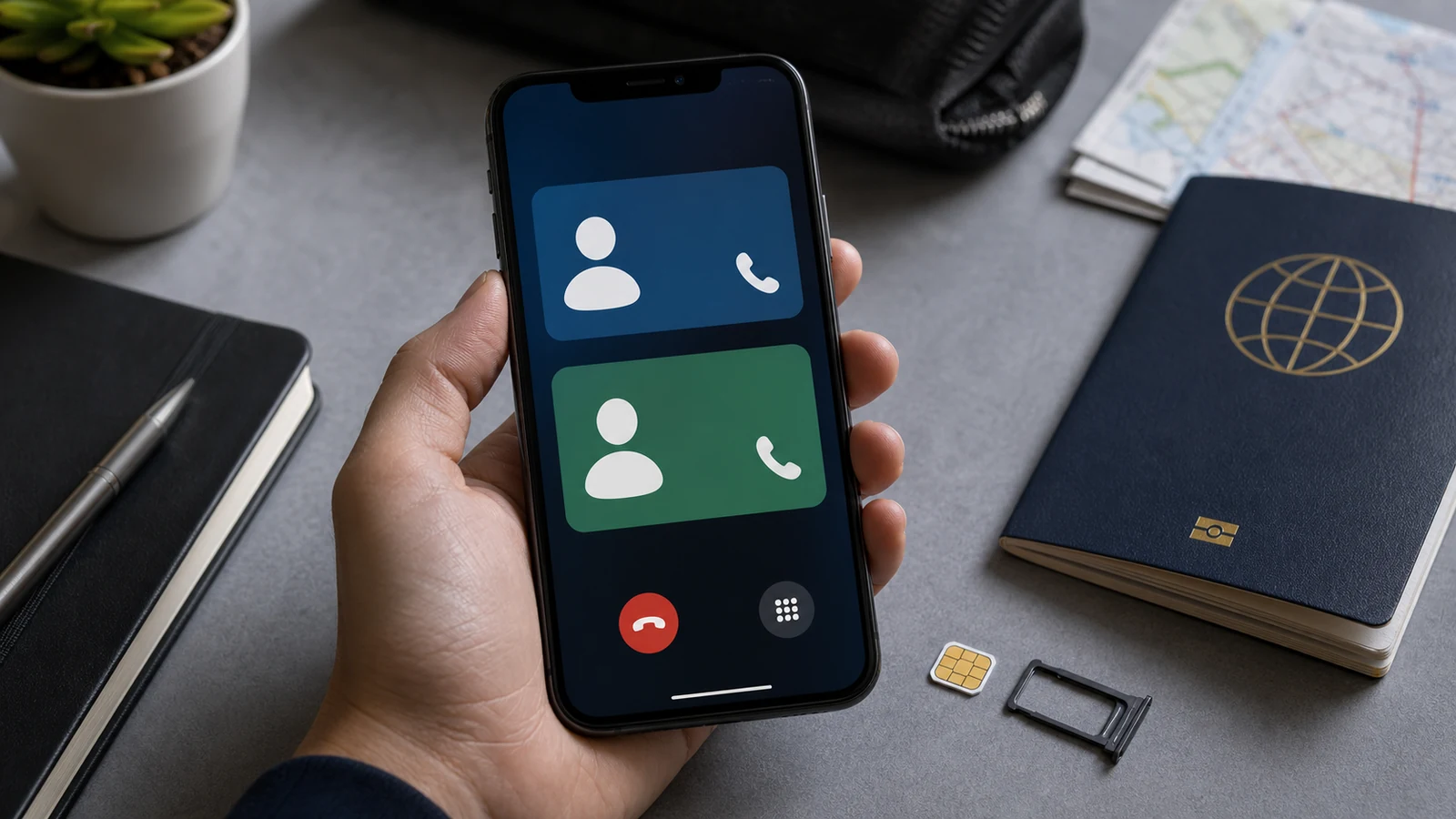
Saily's second-number feature is a small mobile product update with a bigger privacy story behind it. eSIM apps began as travel tools: buy a data plan, land in another country, and avoid roaming fees. A working phone number changes that role. It lets users separate personal identity from temporary sign-ups, delivery apps, hotel forms, marketplace listings, and services that demand a number before they have earned trust. In that sense, eSIM apps are starting to look less like utilities and more like personal identity firewalls.
The timing is right because phone numbers have become overloaded. They are used for calls, SMS, account recovery, two-factor authentication, spam targeting, banking alerts, and app verification. Giving the same number to every service creates a long-term exposure trail. A second number does not solve every privacy problem, but it gives users a practical layer of separation without carrying a second handset. For travelers, it can also make local calling and messages easier while keeping the main number private.
The interesting part is the price. If temporary or secondary numbers become cheap enough, they could move from niche privacy behavior to normal phone hygiene. People already use email aliases for the same reason. Phone aliases are harder because networks and verification systems are more complicated, but eSIM services are making that gap smaller. The challenge will be support for SMS codes, voice reliability, number retention, and rules that vary by country.
Android Authority reports that Saily, the Nord Security eSIM service, now offers a functional second number for calls, SMS, and some verification uses, with US numbers starting at a low monthly price. That makes the feature more than a travel add-on. It becomes a privacy product sitting inside a connectivity app. The caution is that users should still treat a secondary number as part of their identity. If it is used for important accounts, they need to understand renewal, portability, and account recovery before making it the only access path.
The feature also creates a new kind of competition among eSIM providers. Data price is easy to compare, but number quality is harder. Users will care about whether banks accept the number, whether SMS arrives quickly, whether calls sound reliable, and whether the number can be kept long term. The companies that explain those limits clearly will build more trust than those that sell a second number as a perfect privacy shield.
There is also a behavioral shift. People may start using one number for friends and family, another for commerce, and a third for temporary travel or classifieds. That kind of separation was once awkward and expensive. eSIM apps can make it normal. The risk is management complexity, but the benefit is fewer permanent exposure points. Saily is entering that space at the right time because spam and account takeover fears have made phone-number privacy easier to understand.
The next useful feature would be better labeling inside contacts and messages, so users always know which number they are using. Privacy tools fail when they create confusion, and phone identity is too important for guesswork.