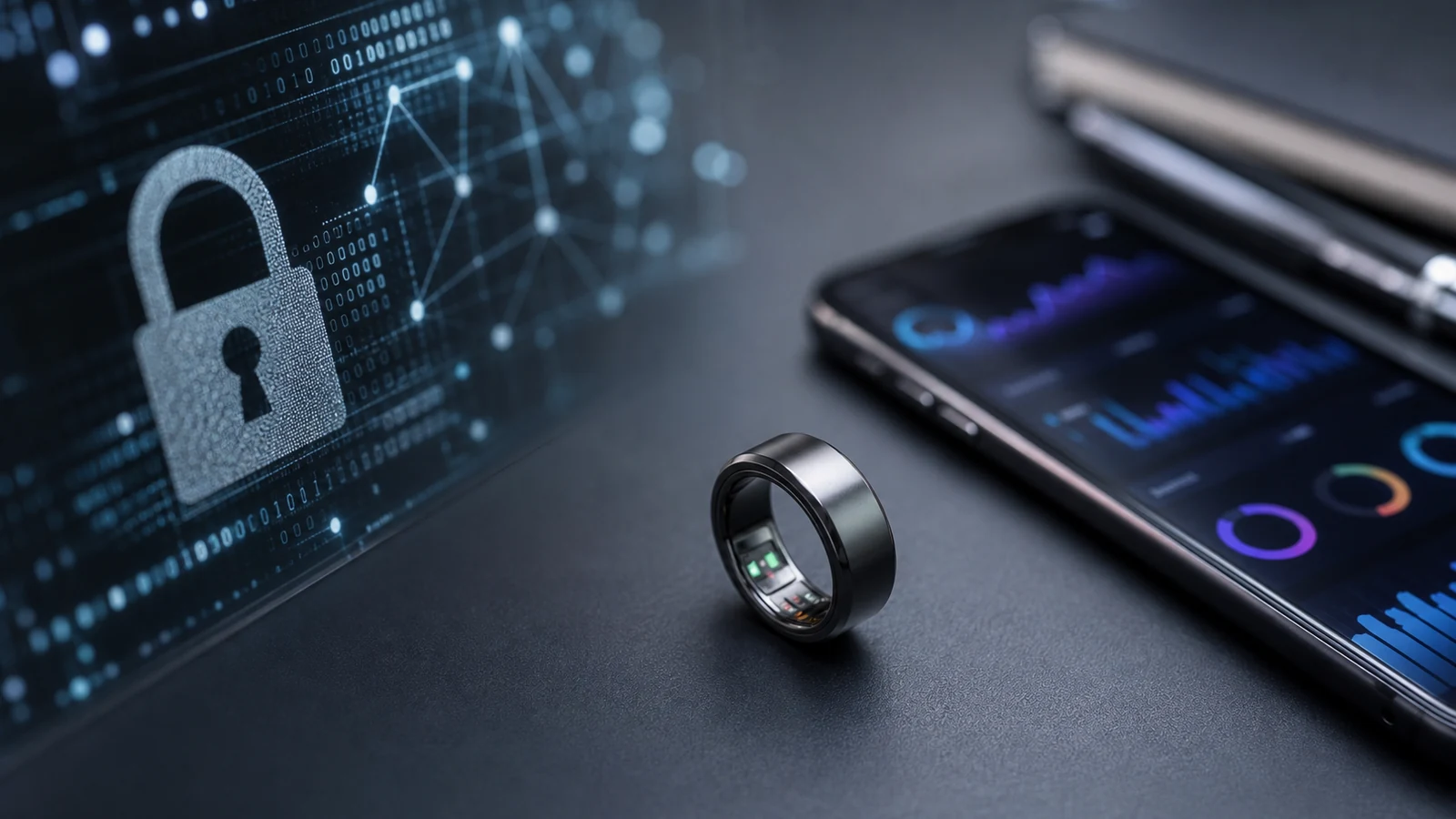
A smart ring hack is not just another gadget security story. It is a warning about the kind of data wearables collect when users stop thinking of them as computers. Rings, watches, and fitness bands sit against the body, measure sleep, recovery, heart patterns, routines, and location-linked habits. That makes a breach feel more personal than a leaked email address.
The newest report is especially relevant to Galaxy Ring owners because Samsung is now part of a product category where trust is the feature. A ring can be smaller and less distracting than a watch, but it also disappears into daily life. Once people forget they are wearing a connected sensor, privacy defaults become more important than long settings menus.
Wearables have already become a regular part of the leak cycle, from smart rings to watches and health bands. The earlier Pixel Watch 5 leak showed how much attention upcoming health devices receive before launch. Security needs the same attention because the data is not casual.
Why wearable data is different
Fitness data can reveal when someone sleeps, travels, exercises, gets sick, changes routine, or wakes up in the middle of the night. In isolation, one reading may not matter. Over time, the pattern becomes a profile of daily life. That is why wearable companies need to treat account protection, encryption, and data retention as core features rather than legal footnotes.
Smart rings make this issue more urgent because their design encourages continuous wear. A phone may be on a desk. A laptop may be closed. A ring stays on the body through work, sleep, and travel. That creates useful health insight, but it also raises the cost of weak cloud security or confusing sharing controls.
The fix is not to abandon health gadgets. The fix is to make privacy visible and boring. Users should know which data is stored locally, which data leaves the device, how long it stays in the cloud, who can access it, and how to delete it. Companies should also make two factor authentication, unusual login alerts, and export controls part of setup instead of optional extras.
For Samsung, Oura, Ultrahuman, and every other ring maker, the lesson is simple. The next wearable race cannot only be about battery life and sensor counts. A ring that measures the body has to prove it can protect the body data. Otherwise the best hardware will still feel risky.
There is also a regulatory angle that wearable makers cannot ignore. Health-adjacent data may not always be treated exactly like medical records, but users do not draw that legal distinction when their sleep, heart, or recovery patterns are exposed. They see personal body information leaving their control. That perception can damage a brand even when the formal compliance position is defensible. The incident covered by PhoneArena should push wearable companies to assume that consumers will judge them by a higher standard than ordinary gadget firms. Clear privacy dashboards, plain-language breach notices, and conservative sharing defaults can reduce damage before an incident. The cheapest privacy feature is still the one that prevents unnecessary collection in the first place.