Smart ring accuracy depends on a detail many users barely think about: fit. A ring can have excellent sensors, strong algorithms, and a polished app, but the readings can still suffer if the device sits poorly on the finger. Oura's latest patent attention is useful because it focuses on that less glamorous part of wearable health.
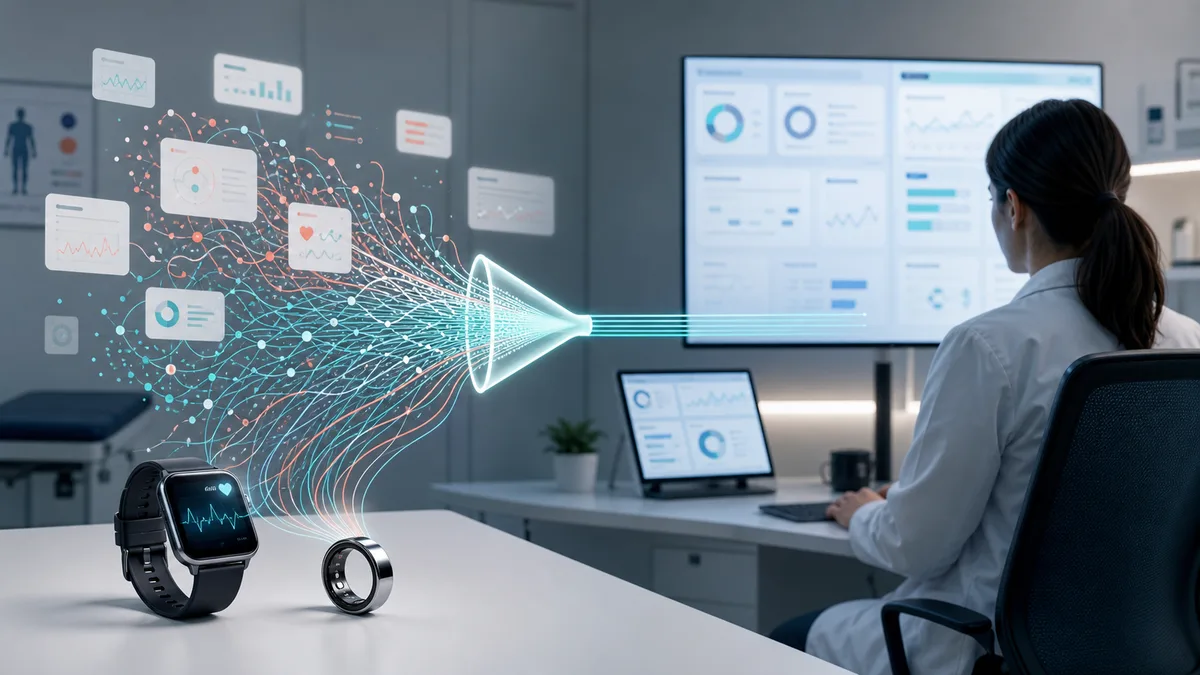
Health wearables are judged by numbers: readiness, sleep score, recovery, heart rate, temperature trends, oxygen saturation, and activity load. Those numbers depend on clean sensor contact. If the ring rotates, lifts, sits too loosely, or loses stable contact with skin, the data can become less trustworthy without the user knowing why.
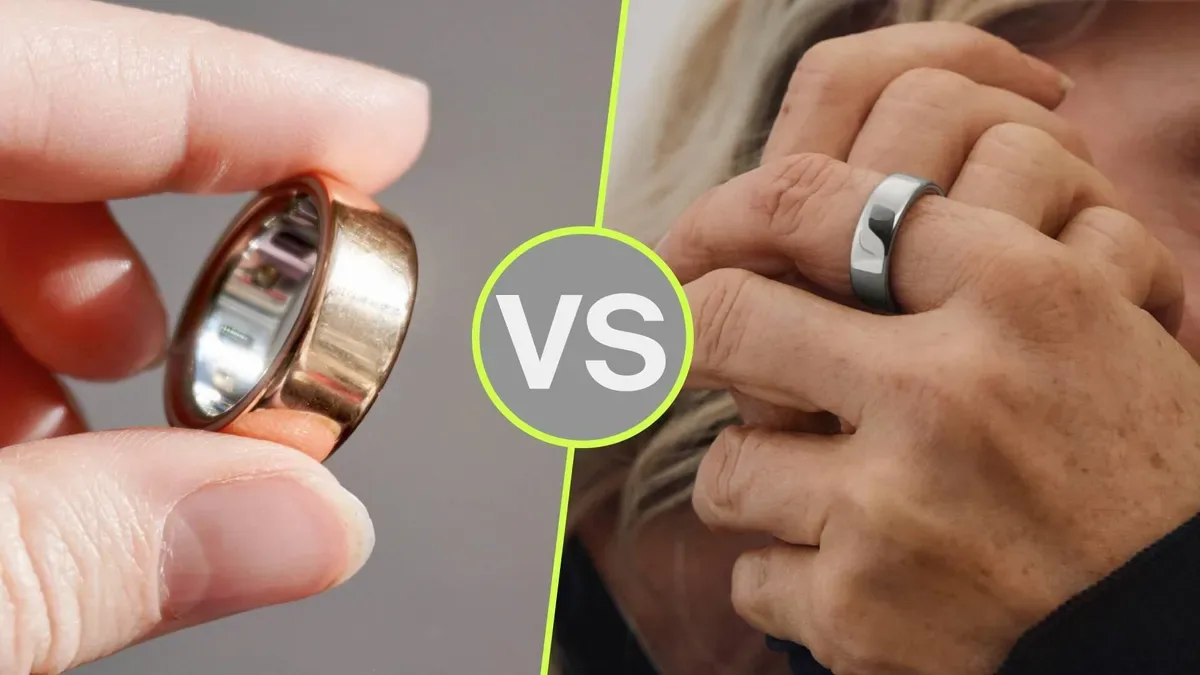
The challenge is that a smart ring has less room than a watch for sensor hardware, battery, and adjustment. Watches can be tightened with a strap. Rings depend on correct sizing and consistent finger behavior. Fingers also change throughout the day because of temperature, hydration, exercise, travel, and sleep.
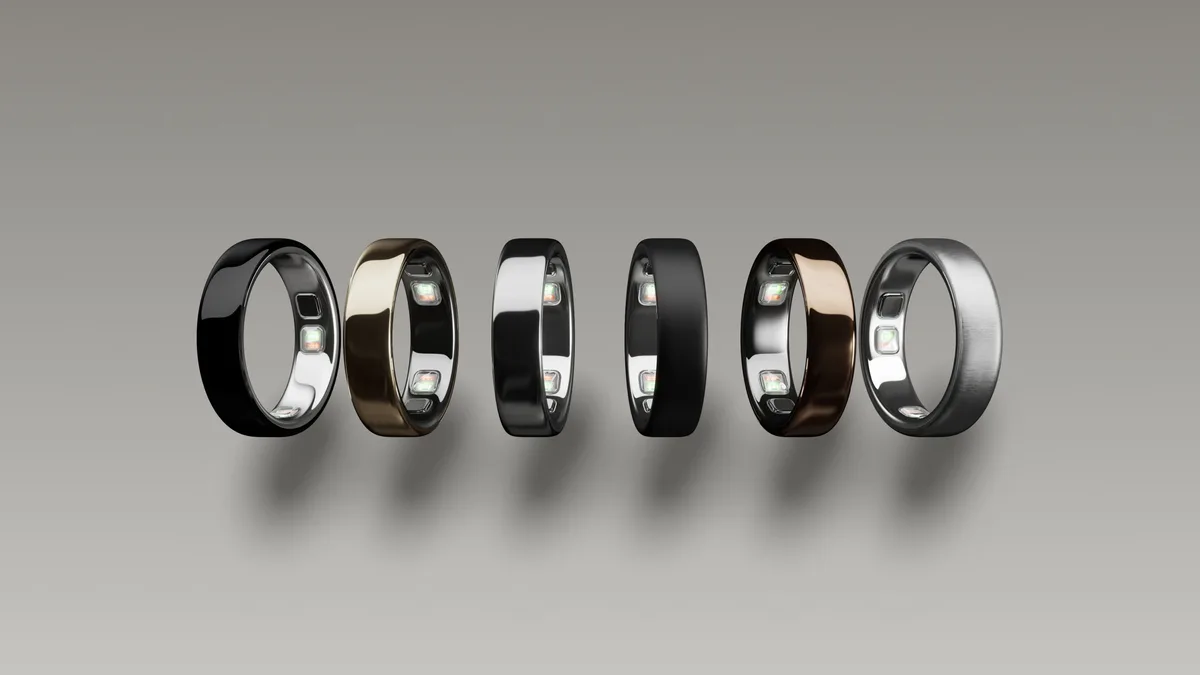
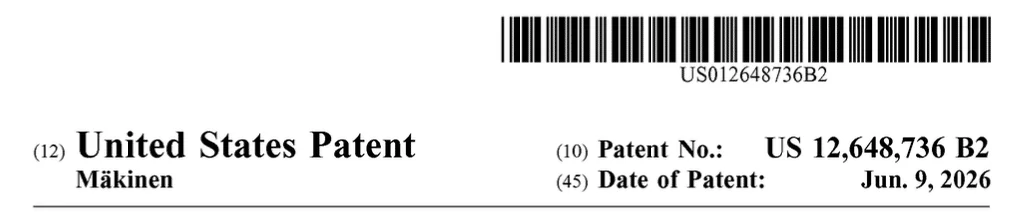
Gadgets & Wearables reported that Oura was granted a patent on June 9, 2026, for detecting when a smart ring is not sitting properly. The described approach uses escaped light inside the ring to identify poor contact, bad orientation, or conditions that could weaken health measurements.
Why fit detection matters
The most useful health device is the one that can warn users when data quality is poor. Without that warning, people may make decisions based on noisy readings. A sleep score could look worse than reality, a recovery trend could be misleading, or a workout reading could appear inconsistent because the sensor contact changed.
This is closely tied to the privacy and trust issues we covered in our smart ring data security story. Wearable trust is not only about keeping data safe. It is also about making sure the data is accurate enough to deserve attention. Privacy and accuracy are both parts of the same relationship between body sensor and user.
The patent also mentions controlling sensor activation based on escaped light, which could help battery life. That is important because rings have tiny batteries compared with watches. If a ring can avoid wasting power when contact is poor, it may extend endurance while reducing bad readings. That is the kind of invisible improvement users may appreciate even if they never read a spec sheet.
A patent does not guarantee a shipping feature. Companies patent ideas they may never use, and implementation details can change. Still, the direction is sensible. Smart rings are moving from early-adopter gadgets into broader health tools, and broader audiences need fewer mysteries when a reading looks wrong.
Oura already has strong recognition in the smart ring category, but the next stage will be about quality control, not just new metrics. Fit detection could become one of those quiet features that makes the whole product feel more dependable.
The feature would also make customer support easier. When a user complains about inconsistent readings, the app could distinguish between a sensor fault, a loose fit, and a normal biological variation. That saves users from guessing and gives Oura better context before replacing hardware or blaming behavior. For health devices, explaining uncertainty is often as valuable as presenting another score.