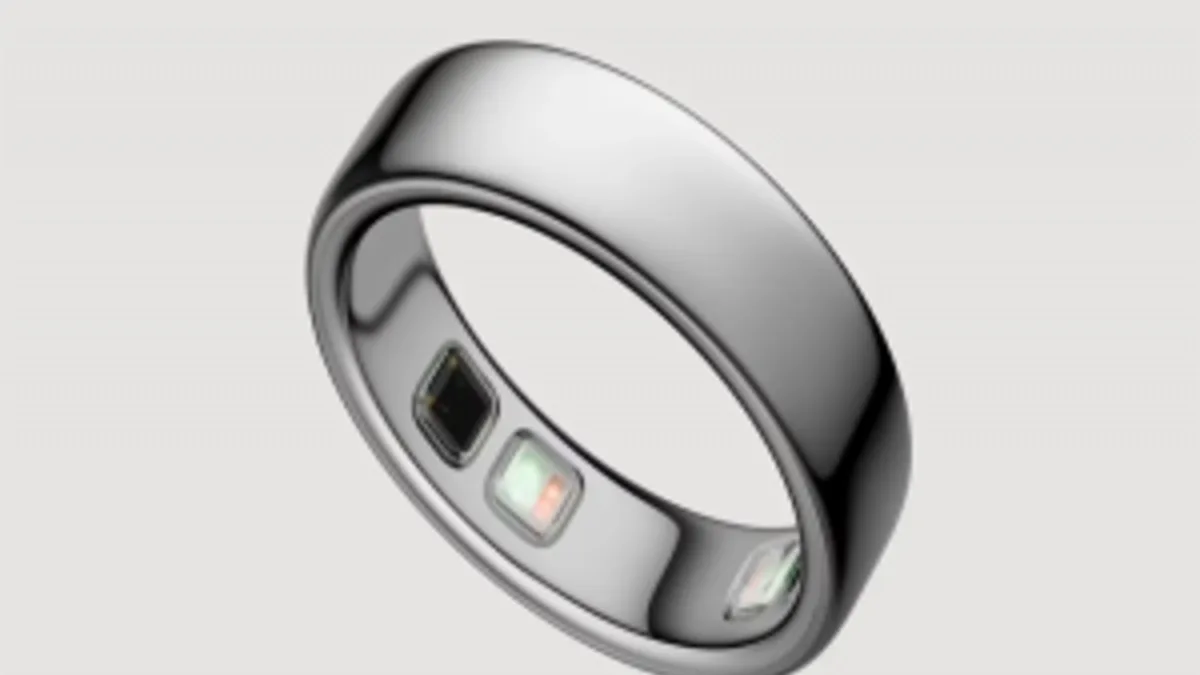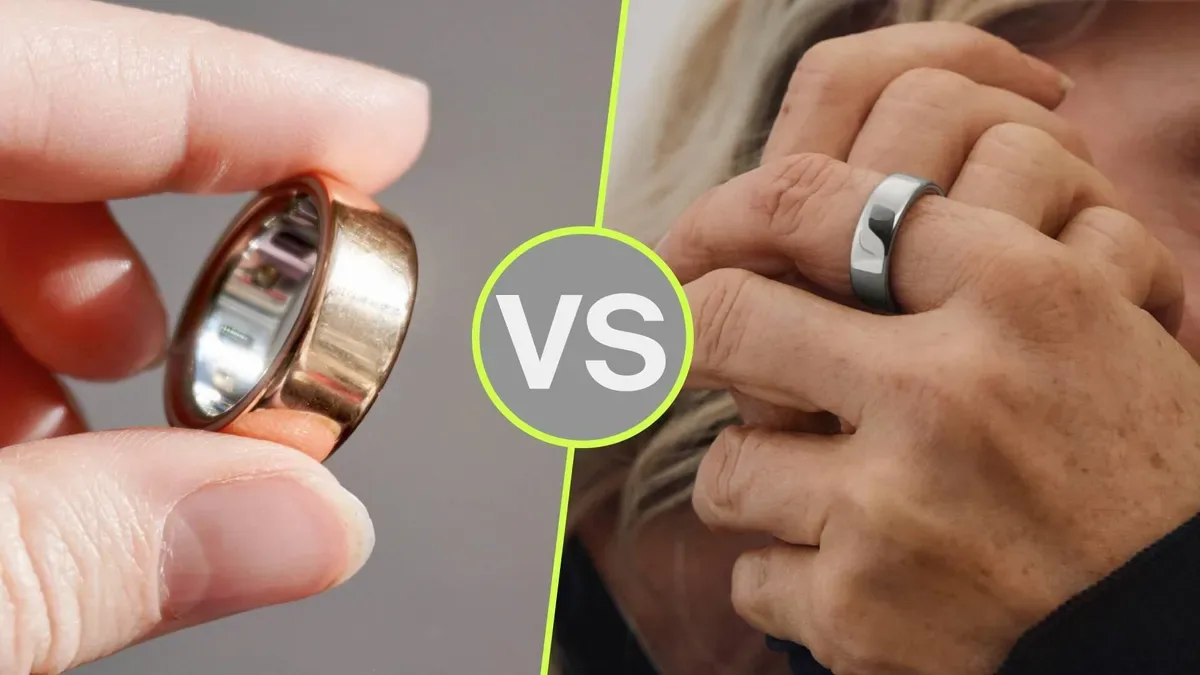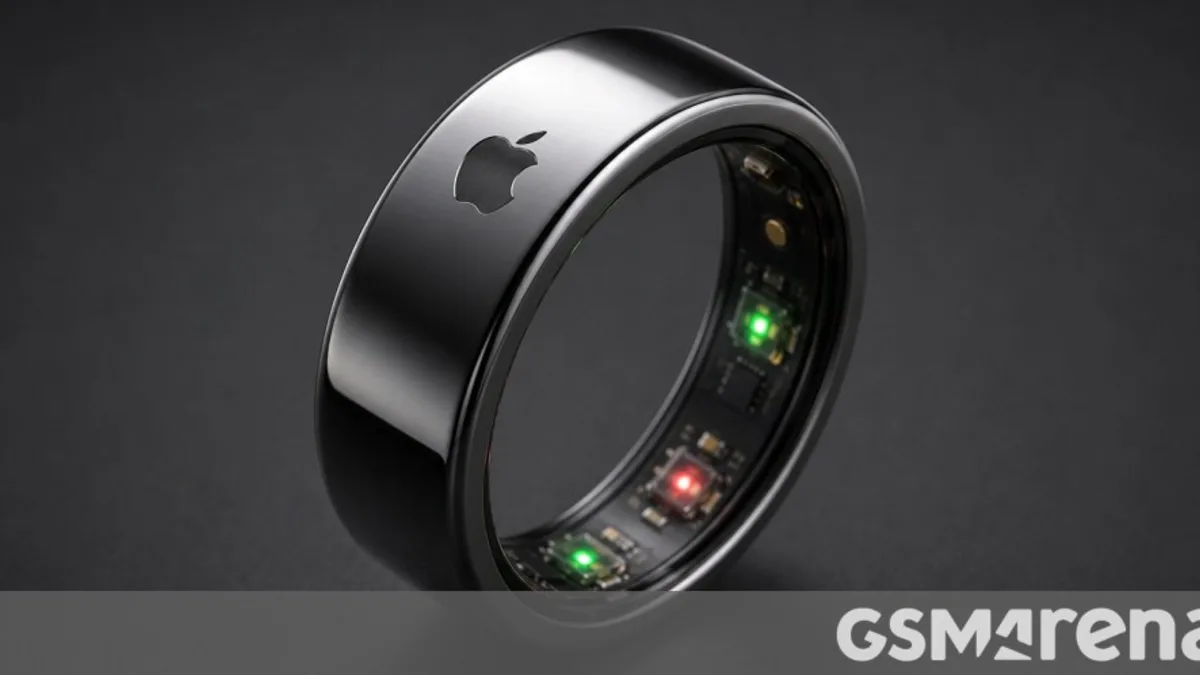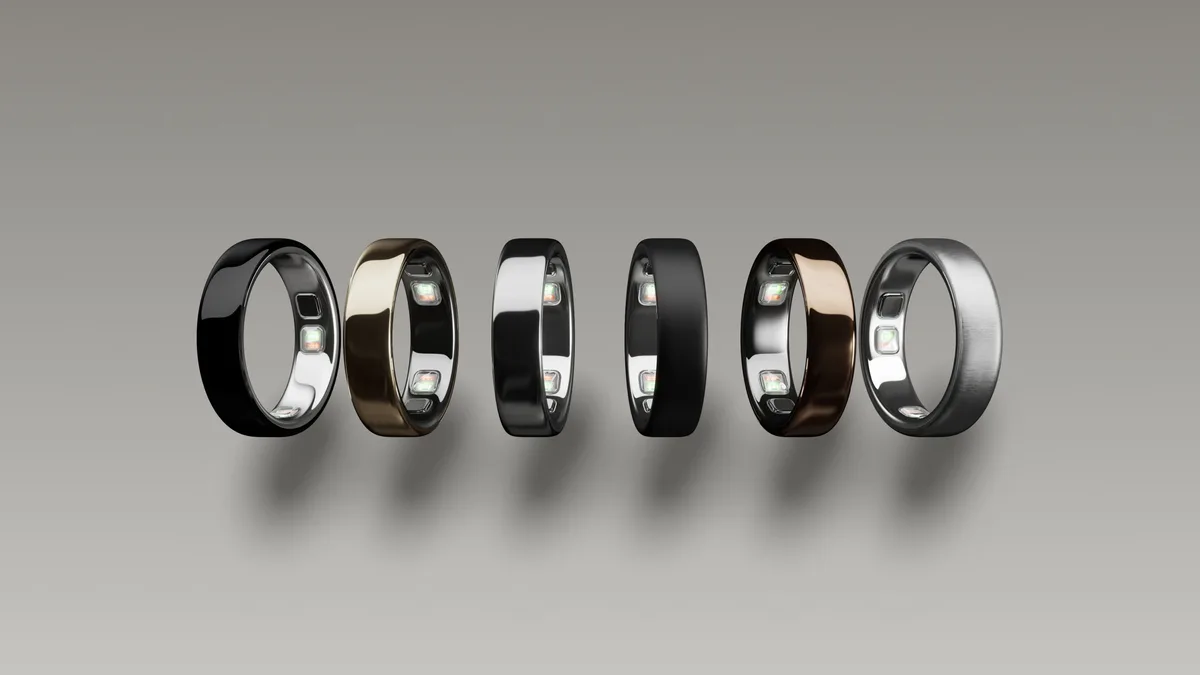
Apple smart ring rumors keep returning because the product category has a gap that a phone or watch does not fully cover. A ring can sit quietly on the hand, collect health signals, and avoid the social weight of a screen. That makes it attractive for sleep tracking, wellness metrics, and people who do not want another device demanding attention during the day.
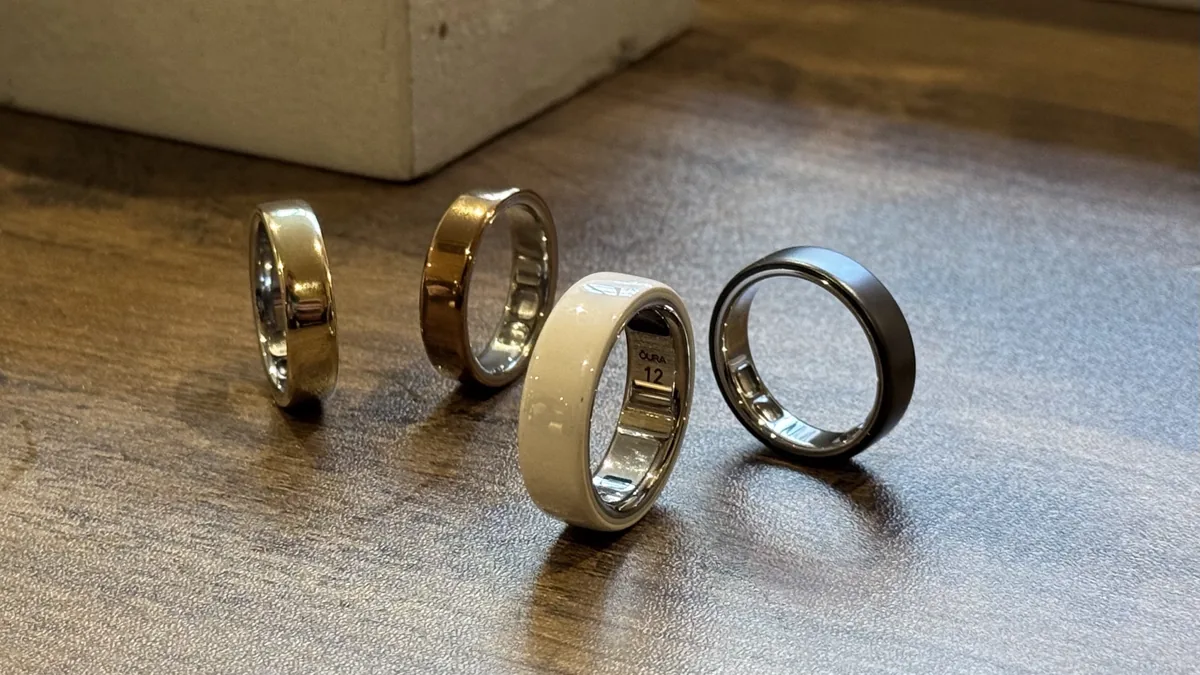
The renewed iRing talk also arrives at a time when smart rings are no longer niche. Oura made the form factor familiar, Samsung brought major-brand pressure, and cheaper rings have started to fill online marketplaces. Apple rarely needs to invent a category from nothing. Its stronger move is usually to wait until the use case is proven, then integrate it deeply with existing software and services.
A ring would give Apple a different role in health tracking. The Apple Watch is active, visible, and interaction-heavy. A ring could be passive, discreet, and easier to wear overnight. That distinction matters because sleep tracking remains one of the watch's least comfortable long-term jobs, especially for users who prefer charging overnight.
MacRumors reports that the Apple iRing rumor has re-emerged as Oura's popularity keeps smart rings in the spotlight. The story does not make the device official, but it does revive the question of whether Apple wants a smaller wearable that can extend Health data without replacing the Watch.
The privacy angle would be just as important as the hardware. Rings collect intimate patterns: sleep timing, temperature changes, recovery trends, and daily routines. We recently covered how smart ring data risks make wearable privacy harder to ignore, and Apple would have to make local processing, encryption, and clear sharing controls part of the pitch from day one.
The iRing rumor is interesting because the product sounds simple but would need careful execution. A ring has little room for battery, sensors, antennas, and fit variation. It also has no screen to explain itself. If Apple enters this space, the best version would be a quiet health device that improves the Watch and iPhone rather than competing with them. That is a harder design challenge than the small shape suggests.
Fit will be the most underrated challenge. Watches can use adjustable straps, but rings require accurate sizing, regional inventory, easy exchanges, and enough comfort for sleeping, typing, lifting, and washing hands. Apple retail stores could help with that process, but the company would still be entering a category where millimeters decide satisfaction.
Battery expectations would be different too. A smart ring cannot be charged casually through a cable while being used. It needs a dock or case that makes charging feel predictable, and it needs enough endurance that users do not lose sleep data because they forgot one night. That reliability may matter more than adding many visible features.
The best iRing would probably be boring in the right way. It would not need games, notifications, or a tiny display. It would need trustworthy health readings, simple setup, strong privacy, and quiet integration with the devices people already own. That is the path from rumor to useful product.
The rumor also gives health platforms a reason to tighten their stories now. If Apple enters rings, the conversation will move from raw sleep scores to trust, medical partnerships, and ecosystem value. Smaller brands can still compete, but they will need clearer evidence, better data portability, and stronger explanations of what users keep if they leave a subscription.