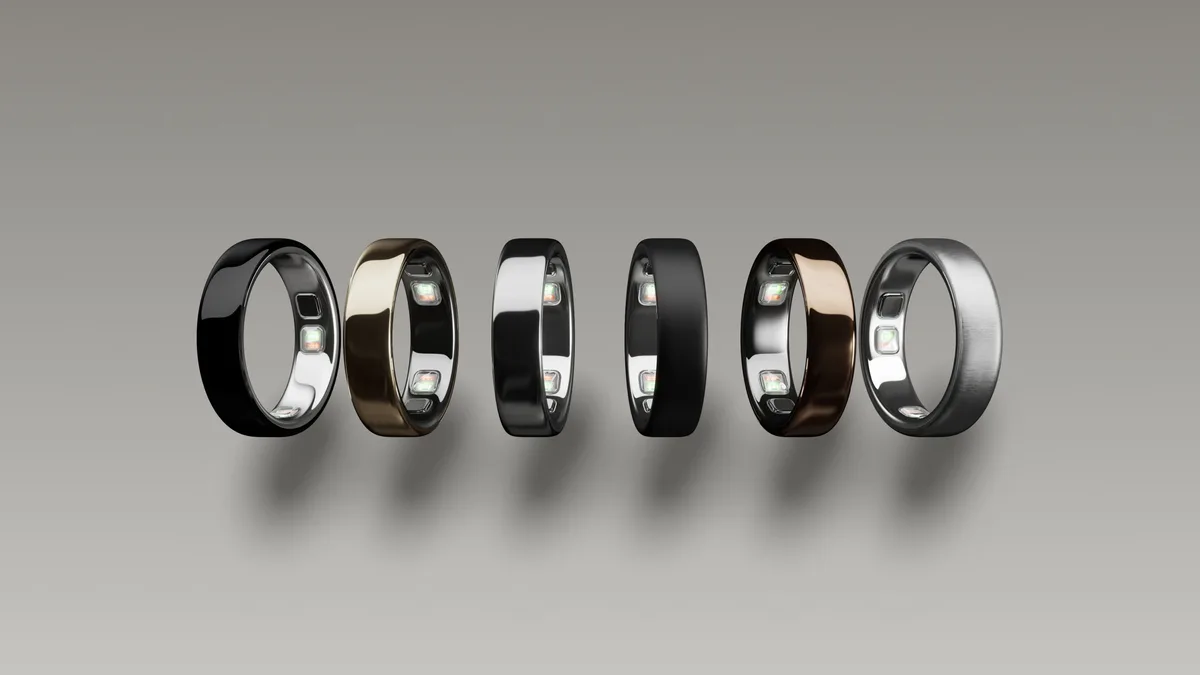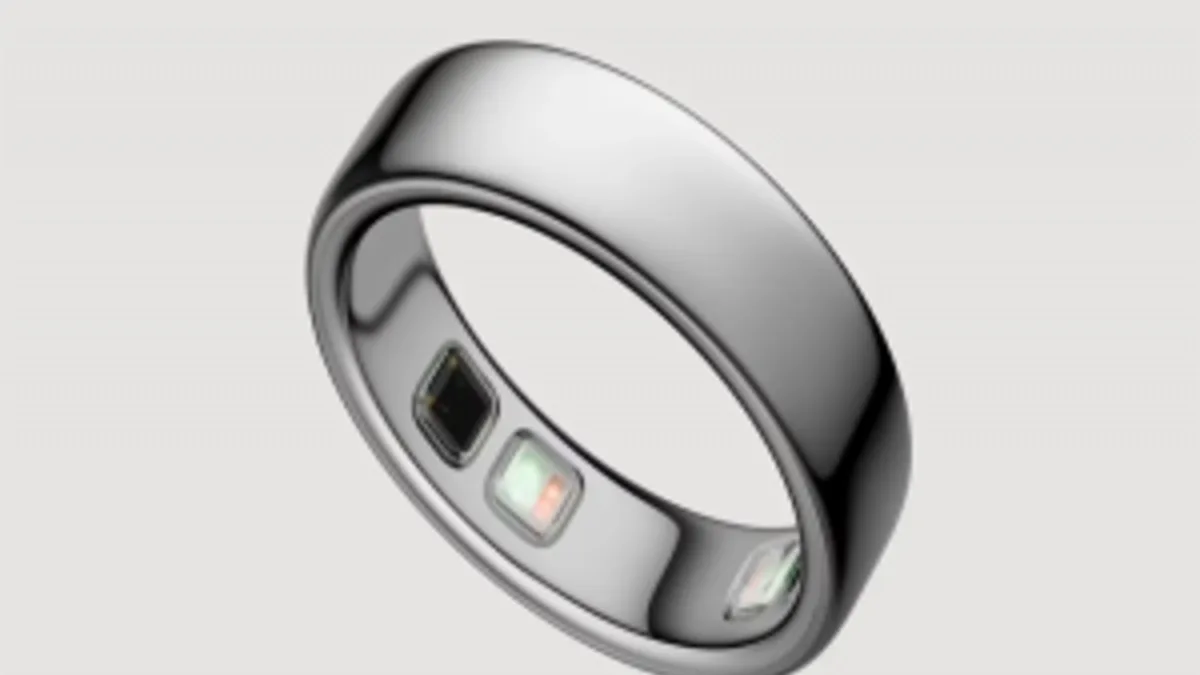
The Chinese coverage around Apple's rumored iRing is a reminder that smart rings are no longer a Western wellness niche. The category is being watched globally because it sits at the intersection of health data, mobile ecosystems, fashion, and low-distraction computing. A ring can be small, but the market implications are not.
Apple entering the category would pressure every existing ring maker. Oura would face ecosystem competition, Samsung would have to defend Galaxy Ring momentum, and cheaper brands would need to explain why their devices remain trustworthy. The biggest impact may be on consumer expectations. Once Apple is rumored in a category, buyers start asking for tighter privacy, better app design, and stronger hardware polish.
A lower or midrange positioning would be especially disruptive. Smart rings can become expensive quickly, particularly when subscriptions are involved. If Apple finds a way to make the device feel accessible while tying it to Health, Fitness, and iPhone, it could expand the category beyond early adopters.
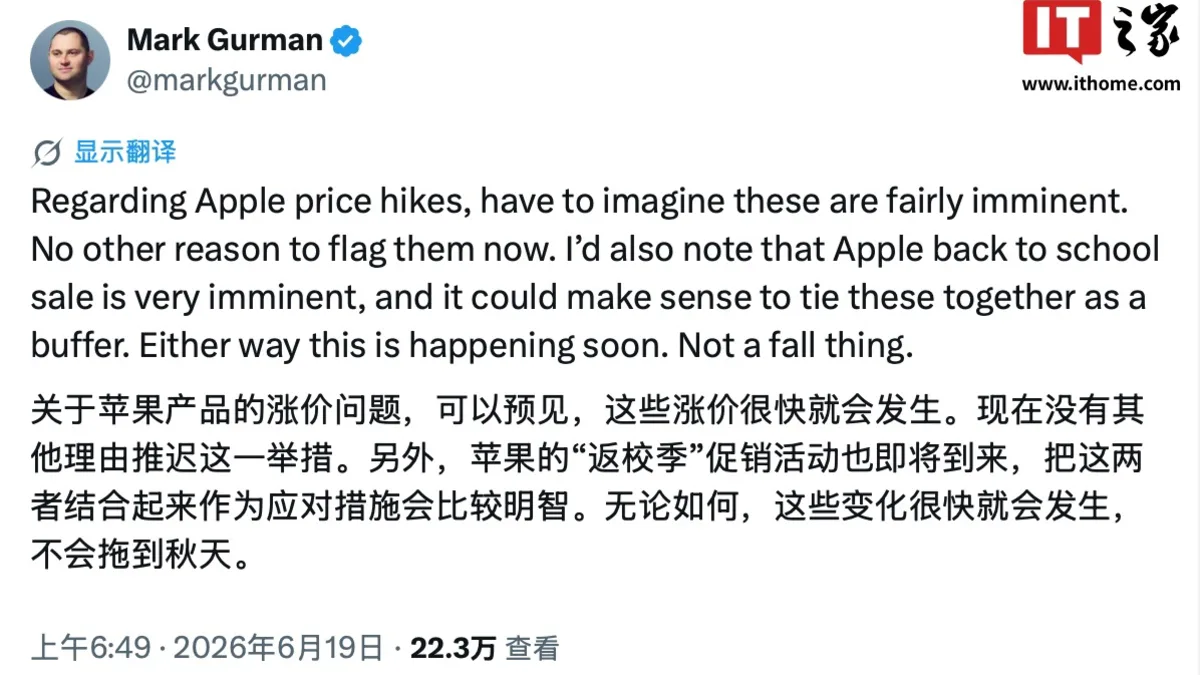
热点科技 reported in Chinese that Apple's iRing smart ring has been exposed again and could target a more approachable market position. The report shows how quickly Apple wearable rumors circulate across Chinese tech media.
The same privacy concerns remain central. We covered the stakes in smart ring data privacy reporting, and those concerns grow if a ring becomes a mainstream iPhone companion.
The rumor may or may not become a shipping product soon. What matters is that the smart ring market already behaves as if Apple could arrive. Competitors will move faster, buyers will compare more carefully, and the health-wearable conversation will expand beyond watches. That is how Apple rumors often work: they reshape a category before the product is even announced.
Chinese suppliers and brands will also study the rumor closely. A future Apple ring could reshape component demand for tiny sensors, batteries, charging cases, coatings, and health algorithms. Even before launch, the possibility of Apple entering a category can move supply-chain attention.
Cultural differences may shape adoption. In some markets, rings are everyday accessories; in others, sizing, style, and workplace norms may affect comfort with wearing one constantly. Apple would need a broad design language that feels personal without looking too much like medical hardware.
That global complexity makes the rumor more interesting. A smart ring is not only a small gadget. It is a wearable that touches fashion, health, privacy, and ecosystem loyalty. The Chinese report shows that the market is already preparing for a much larger fight.
Retail education will be important if Apple launches. Customers will ask whether a ring replaces the Watch, whether it needs an iPhone nearby, whether it tracks workouts, and how sizing works. Apple Stores are good at explaining new categories, but the product has to be simple enough that the explanation does not become a warning sign.
The strongest competitors should not wait passively for Apple. They can improve Android support, export tools, warranty policies, and clinical validation now. If Apple eventually arrives, brands with mature trust signals will be better positioned than brands relying only on being cheaper.