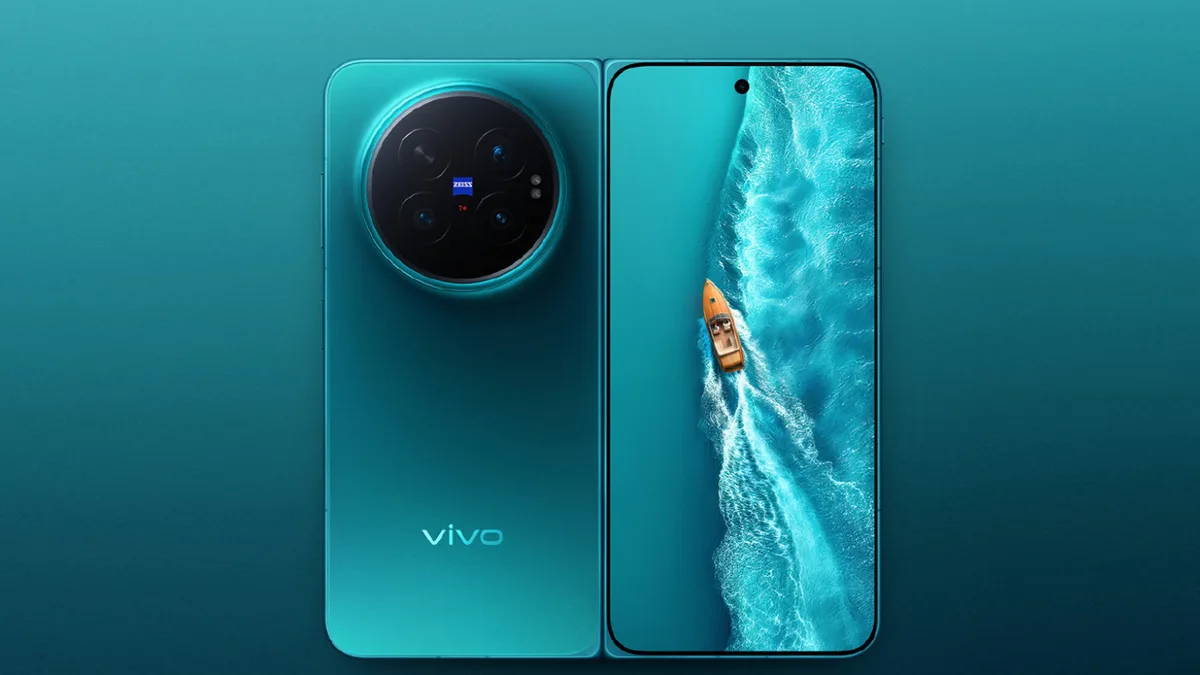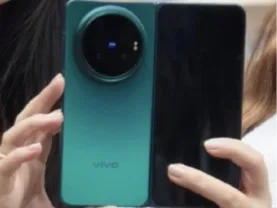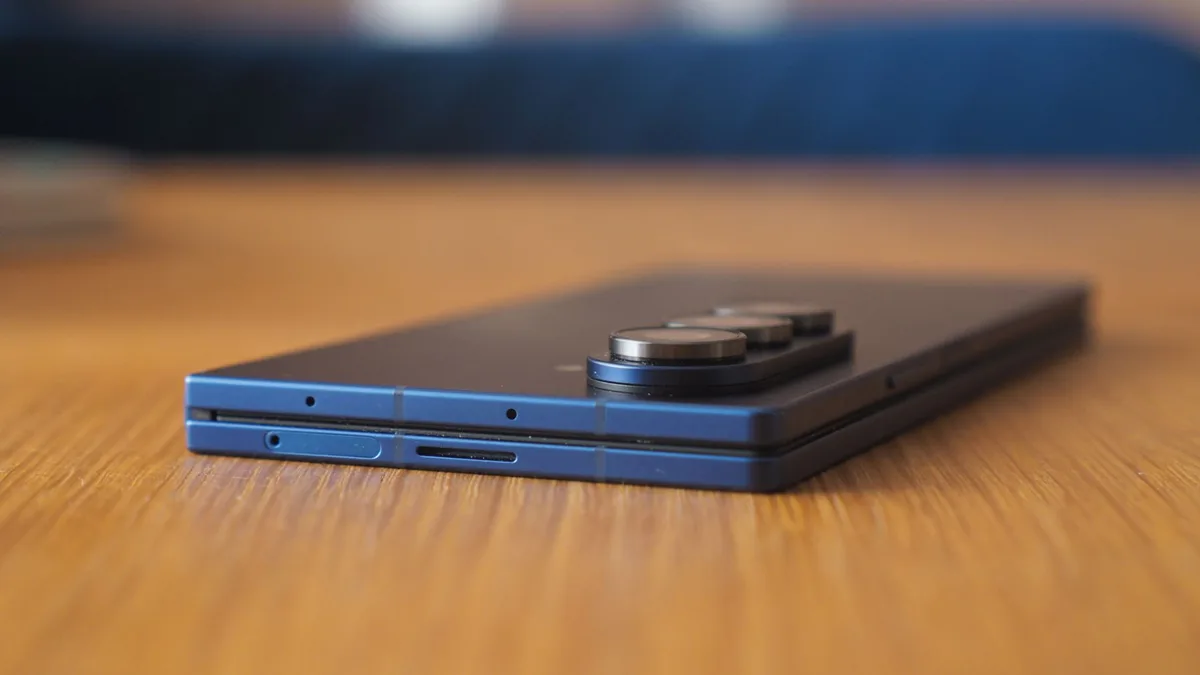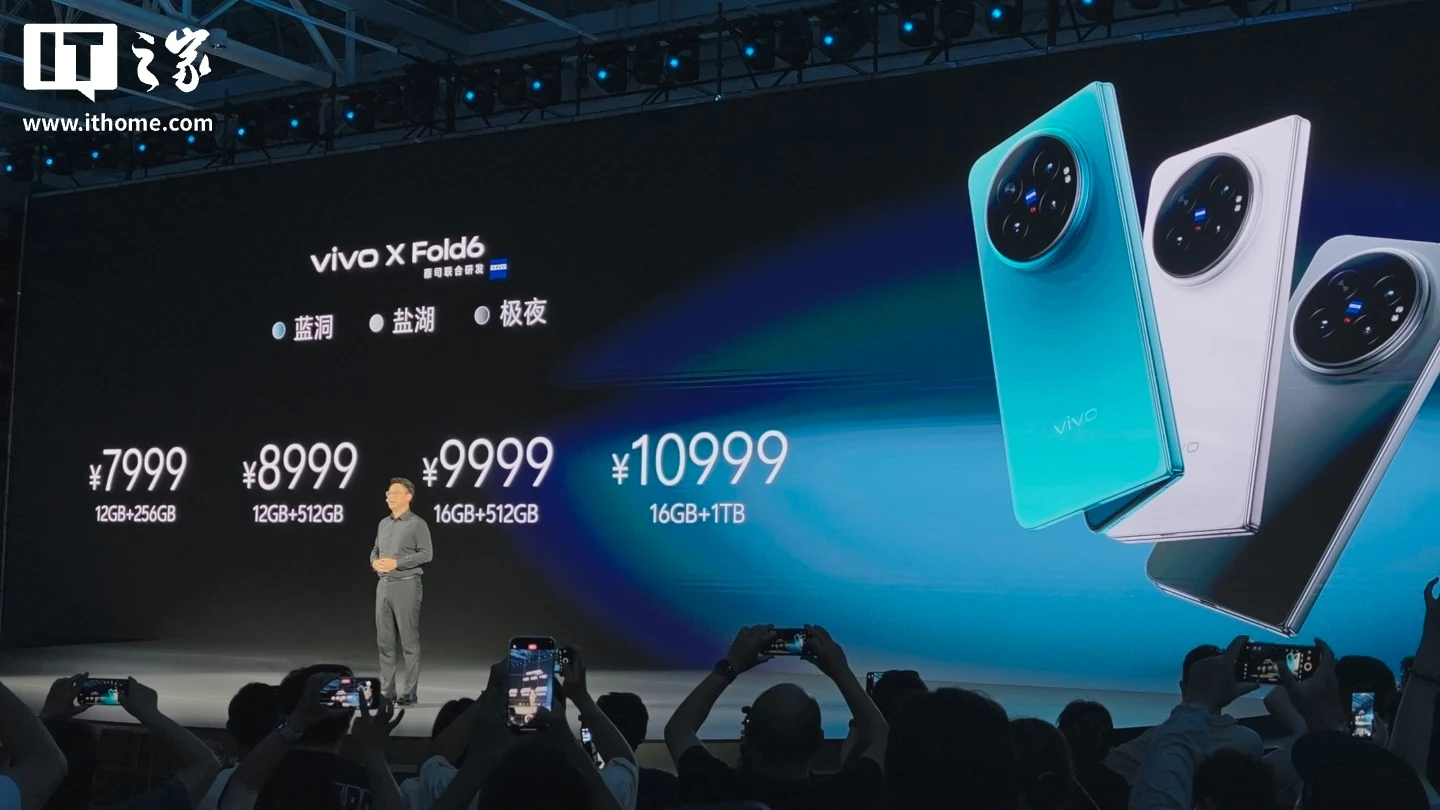
The vivo X Fold6 launch in China is important because Chinese foldables are no longer trying to win only on hardware drama. The category is moving toward workflow. A bigger inner screen, stronger chip, large battery, and AI tools are being presented together as a productivity package rather than separate headline features.
That shift makes sense. Foldables are expensive, and buyers need more than a flexible panel to justify the price. They need the device to reduce friction in tasks that feel cramped on a normal phone: document review, translation, multitasking, note organization, video calls, travel planning, and split-screen communication. AI can help if it lives inside those workflows instead of floating as a separate assistant.
vivo's challenge is turning feature language into habits. Foldable users often start with excitement, then fall back to the cover screen if opening the device does not make work faster. The best software will give people a reason to unfold the phone several times a day.
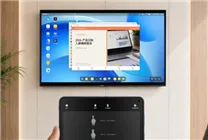
IT之家 reported the vivo X Fold6 launch with a new workstation-style feature, Dimensity 9500 special-edition chip details, and a 200MP main camera. The Chinese report shows how vivo is packaging the phone as a high-end work device, not only a thin foldable.
That overlaps with our earlier coverage of vivo's custom Dimensity 9500 foldable strategy. The key question is whether AI and large-screen software can become daily value instead of launch-stage branding.
The X Fold6 also shows why global foldable competition is harder than it looks. Chinese brands are moving quickly on battery, charging, camera hardware, and multitasking ideas. Samsung and Apple cannot assume their ecosystems alone will settle the category. If vivo's approach works, the foldable race may be decided less by who has the thinnest hinge and more by who makes the opened screen feel genuinely productive.
Chinese foldables are also benefiting from a domestic software environment where super-app workflows, multitasking, and productivity features can be tuned around local behavior. That gives vivo more room to experiment with large-screen layouts than brands that must optimize first for global Android app habits.
The hardware aggressiveness matters because it changes expectations elsewhere. Once buyers see a foldable with a large battery, strong camera claims, and AI workflow tools, thinner but less practical designs become harder to defend. The category is slowly shifting from engineering showcase to work device.
The global question is whether vivo can translate those strengths outside its home market. App compatibility, warranty networks, carrier support, and update policies are the barriers. If the company improves those pieces, phones like the X Fold6 could influence foldable expectations far beyond China.
For software teams, the lesson is that foldables need native thinking. A feature that feels optional on a slab phone can become central on a large inner screen. Notes, calendars, browsers, file managers, and messaging apps should all understand the canvas. The hardware is ready enough now that weak app layouts are harder to excuse.
That is why the X Fold6 is more than a China-only product note. It is a preview of what serious foldables may need everywhere: large batteries, practical multitasking, AI that helps real tasks, and hardware that does not ask buyers to choose between endurance and ambition.