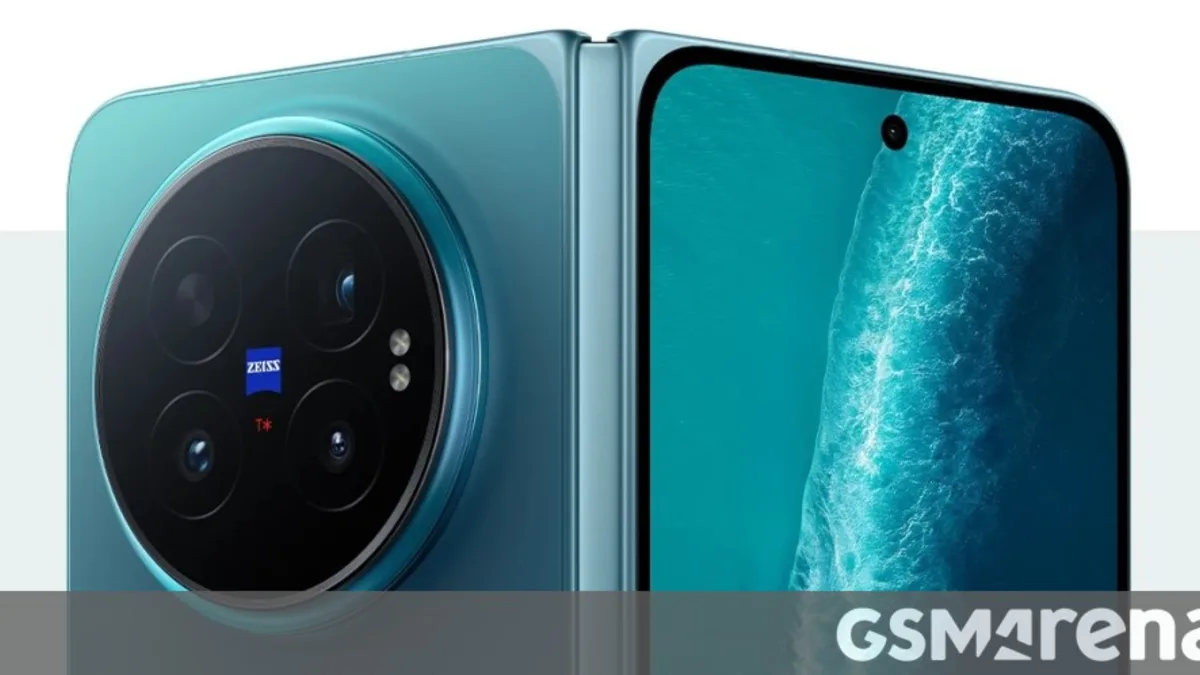
The vivo X Fold6 is becoming a more serious foldable story because the conversation is moving from shape to performance. Foldables used to be judged mostly by hinge design, thickness, and display crease. Those still matter, but the next phase is about whether a large-screen phone can act like a real productivity device without slowing down, overheating, or treating multitasking as a novelty.
A custom Dimensity 9500 variant would fit that ambition. Foldables have more screen area to drive, more multitasking scenarios to support, and more pressure to handle camera processing while apps remain open. If vivo is tuning silicon and software together, the X Fold6 could be positioned as more than a thin prestige device. It could be sold as a work-and-media machine that happens to fold.
太平洋科技 reported the X Fold6 chip confirmation angle and tied the device to foldable-specific software work. That detail matters because foldable performance is not only about peak chipset speed. It is about how the system handles split-screen apps, floating windows, drag-and-drop, and quick transitions between folded and unfolded states.
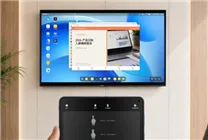
This lines up with our earlier look at vivo X Fold6 PC mode. If vivo wants the phone to become a desk device, the chip cannot be treated as a generic flagship part. External displays, keyboard use, large-window apps, and longer work sessions put different pressure on thermals and memory than quick phone tasks.
The X Fold6 also arrives in a market where Samsung, Honor, Huawei, Xiaomi, and OPPO are all trying to define the premium foldable. vivo's advantage may be focus. Instead of only chasing the thinnest frame or the boldest camera bump, it can lean into the idea that a foldable should replace more of a tablet or laptop workflow. That is a harder sell, but it creates a clearer identity for users who already understand foldables.
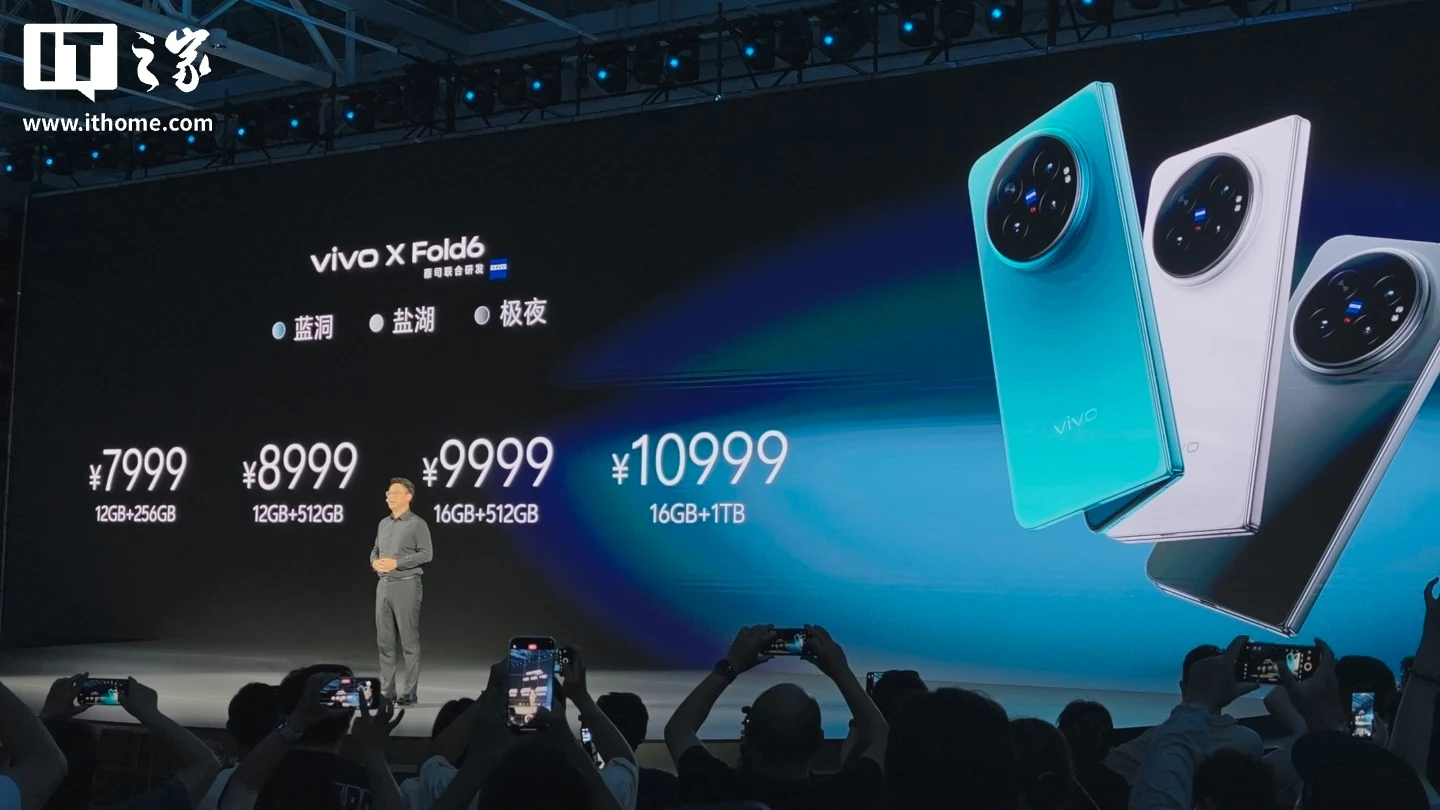
The remaining questions are price, durability, and launch availability. A strong chip story will not matter if the phone is limited to a narrow market or priced far above competing foldables. But as a signal, the X Fold6 report is important. Foldables are moving beyond being engineering showpieces. The winners now have to be fast, stable, and useful when opened for work.
MediaTek also benefits if this story lands well. For years, premium foldables were often associated with Qualcomm chips, especially in global conversations. A custom Dimensity variant inside a serious vivo foldable would help show that MediaTek can compete not only in bar phones but in demanding multitasking devices. That is useful branding for both companies. vivo gets a differentiated silicon story, while MediaTek gets a showcase for sustained performance, AI processing, and large-screen workloads. The final proof will be thermals. A foldable has more internal complexity than a normal phone, and performance can fall apart if heat has nowhere to go. If the X Fold6 stays cool while driving its big display and PC-like features, the chip choice becomes a strength rather than a curiosity for demanding buyers. That would change expectations.