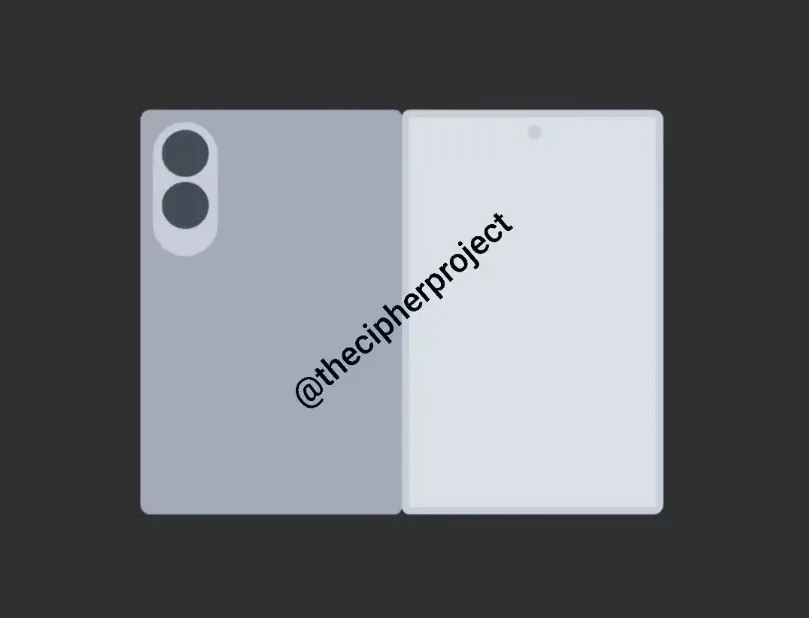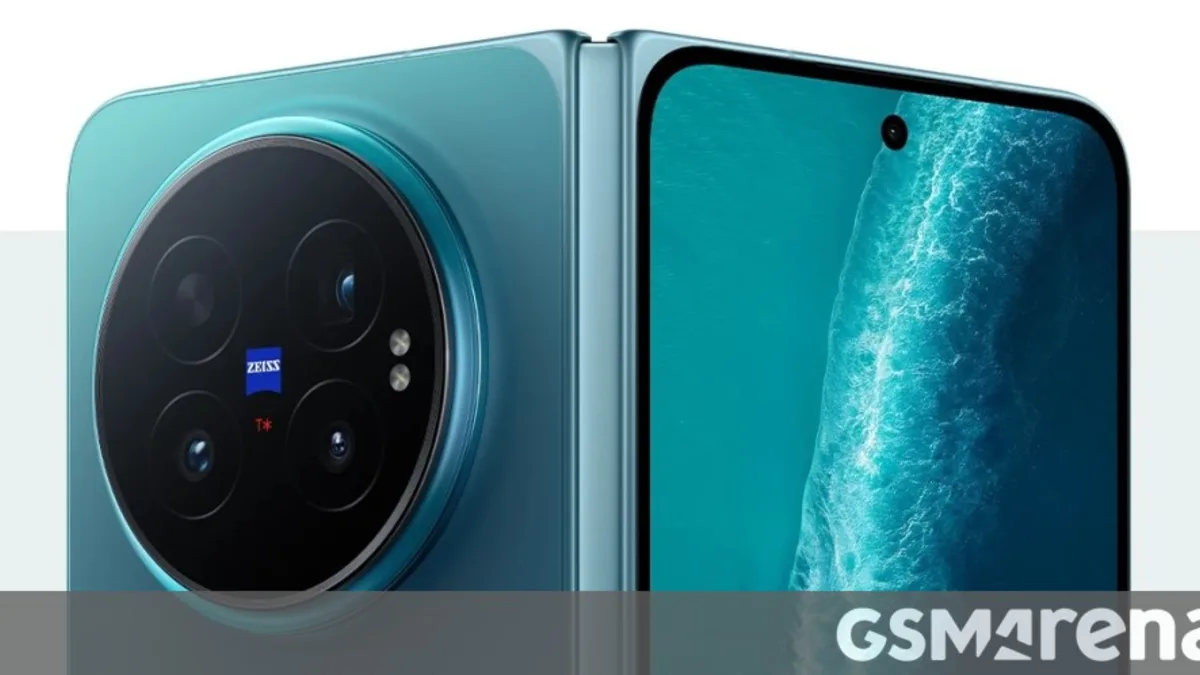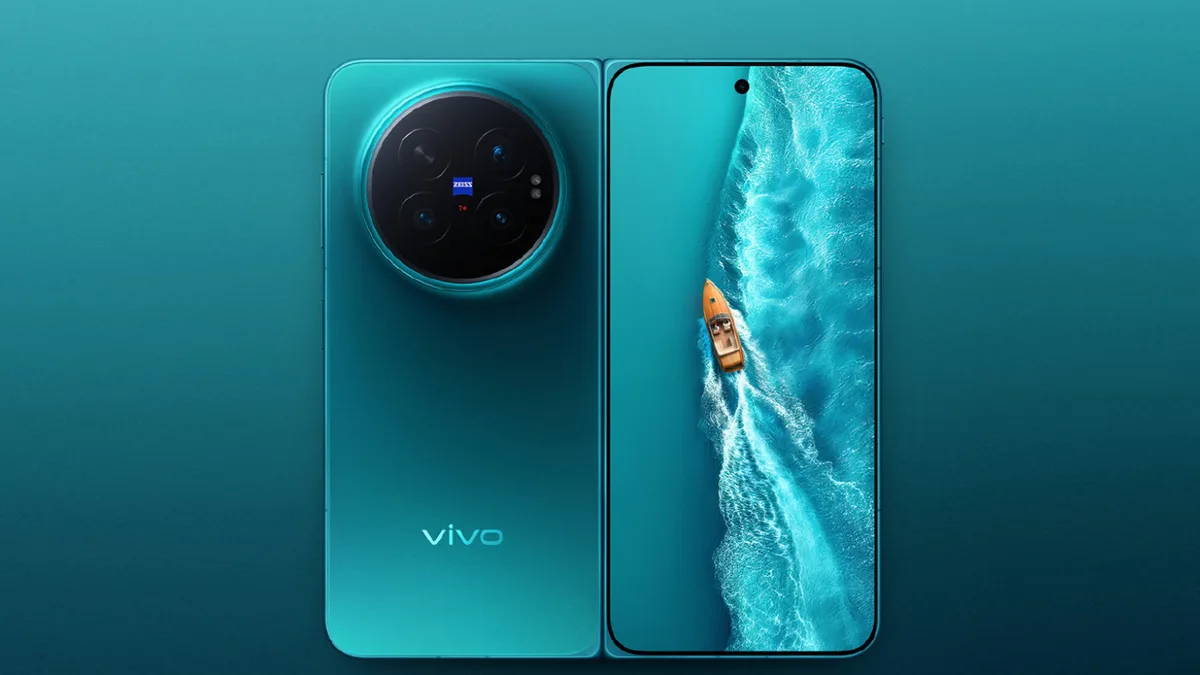
The most interesting foldable-phone debate is shifting from hardware novelty to AI workflow. A larger screen is useful, but it becomes much more valuable if the phone can organize tasks, surface context, and move work between apps with less friction. That is why a discussion around vivo, AI, and foldables is worth watching. It frames the foldable not only as a screen that bends, but as a mobile workspace designed for agent-driven computing.
Phones have been stuck in the same basic shape for years because the app grid still works. AI agents may change that. If a user can ask a phone to gather information, summarize a thread, prepare a route, edit a note, or compare files, the device needs more room to show intermediate steps. A foldable can display the conversation, source material, and final output at the same time. That makes the form factor feel less decorative.
爱范儿 published a vivo-focused discussion around AI-era foldables and the idea of a mobile workbench. The framing is important because Chinese phone makers are increasingly treating AI as a design problem, not only a feature list. The question becomes what a phone should look like when the interface is built around intent.
This connects with our coverage of agent-style device ecosystems. AI is moving into appliances, cars, wearables, and phones at the same time. The phone remains the control point for many of those experiences, so foldables may become useful not because they are larger, but because they can show more context while an agent works.
vivo's challenge is turning that idea into behavior users trust. Agent features need clear permissions, visible steps, and easy correction. A foldable can show more, but it can also overwhelm users if the software becomes busy. The best design would let the phone expand when complexity is useful and stay simple when the task is ordinary. That requires restraint as much as ambition.
The discussion is a sign that foldable phones are entering a new phase. Thinness, hinge strength, and crease reduction are still necessary, but they are no longer enough. The next convincing foldable may be the one that makes AI tasks feel organized on a pocket device. vivo's angle suggests the industry is starting to ask the right question: not why a phone should fold, but what new kind of work becomes easier when it does.
The enterprise angle should not be ignored. Foldables are expensive, but companies may justify them if they reduce the need for a tablet during travel, sales work, field inspection, or document review. AI agents strengthen that case by turning the device into a place where summaries, calls, files, and next actions can sit side by side. vivo does not need to copy desktop computing exactly. It needs to identify the moments where a larger pocket screen removes friction. That could be reviewing a contract while chatting with a colleague, comparing product photos with notes, or letting an assistant prepare a trip plan while maps remain visible. These are ordinary tasks, but they are hard on a narrow screen. AI may finally give foldables a software reason to exist.