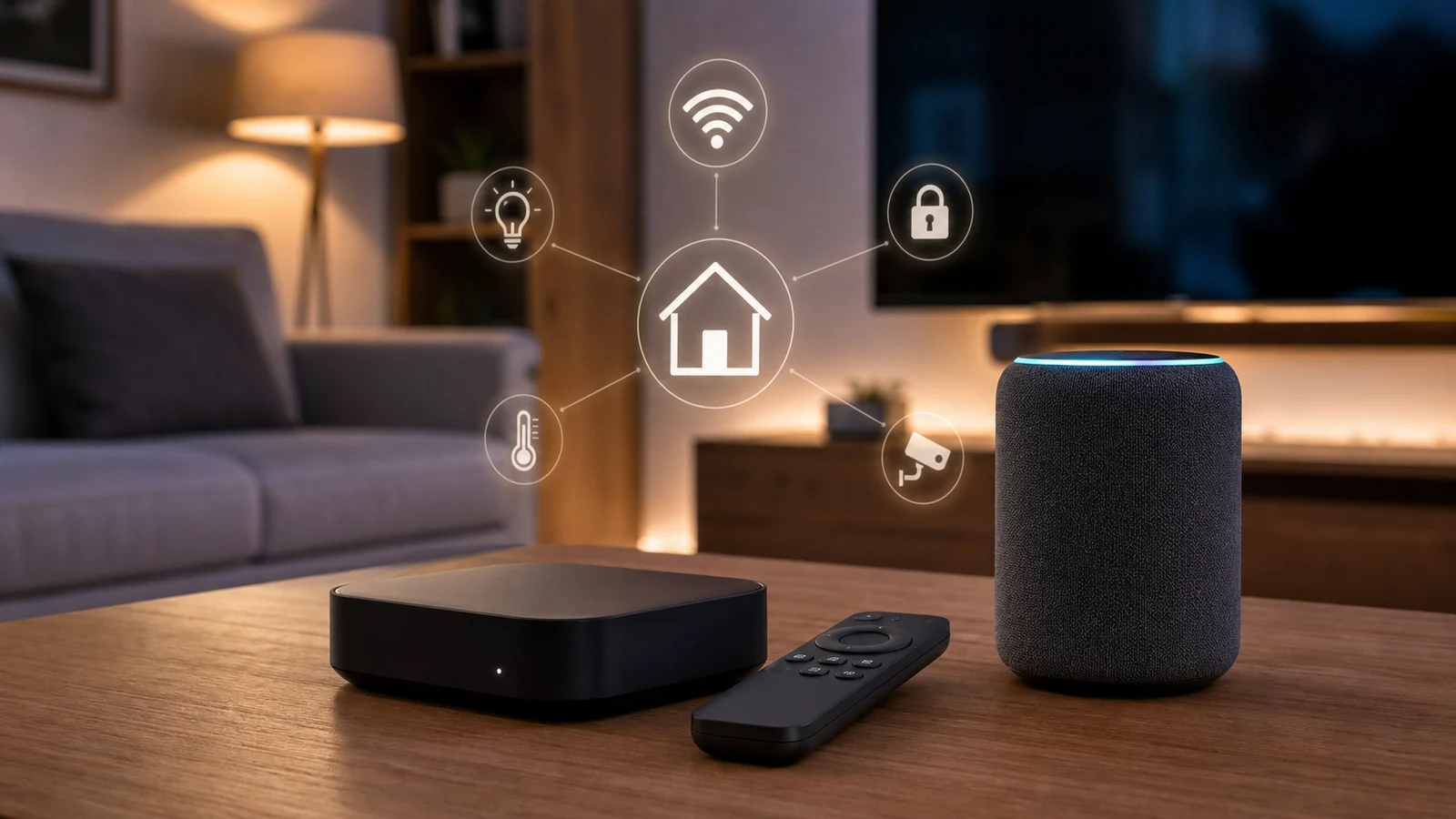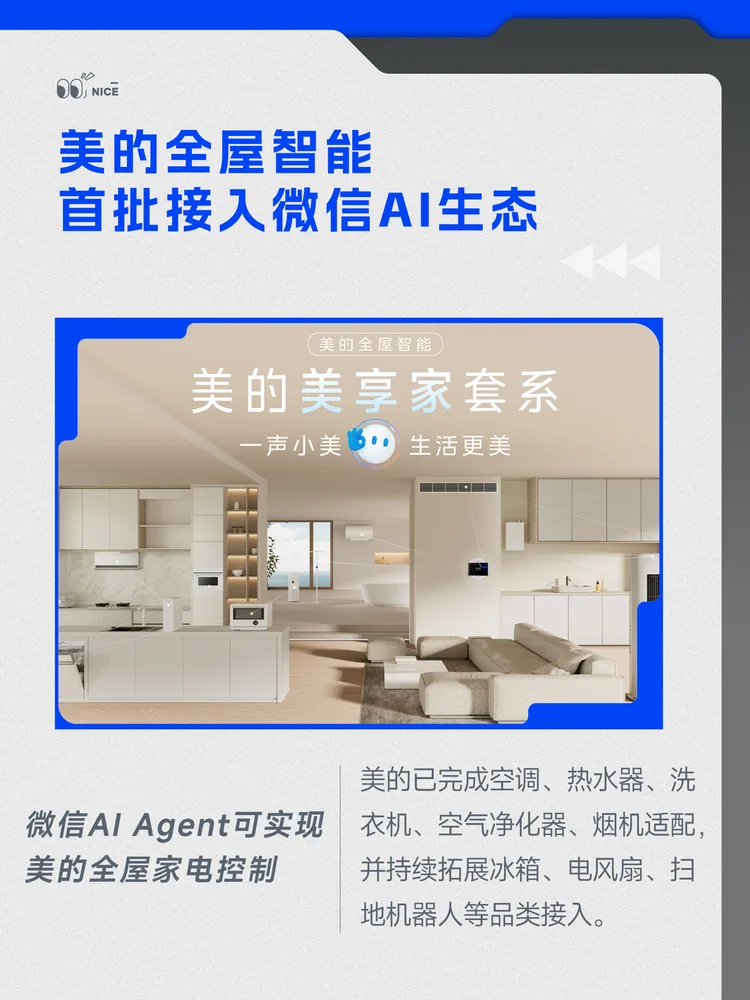
Smart home control is shifting from app grids to language-driven agents. Mideas latest integration with the WeChat AI ecosystem is a clear example. Instead of asking users to open a separate appliance app, find the right device, and tap through settings, the pitch is natural language control across air conditioners, water heaters, washers, purifiers, and range hoods.
That is the promise smart homes have been chasing for years. Voice assistants handled simple switches and timers, but many products still fell back to clumsy app control for modes, status checks, and multi-step routines. Agent-style systems are supposed to understand intent, operate app interfaces, and coordinate devices with less user effort.
Midea is a meaningful test case because it sells across whole-home categories. A single-brand ecosystem can cover climate, cleaning, cooking, laundry, and air quality. If those devices can be exposed to WeChat AI in a consistent way, the smart home moves closer to being a service layer rather than a pile of disconnected gadgets.
IT Home reported that Midea is among the first whole-home smart beta companies connected to the WeChat AI ecosystem, with completed adaptation for air conditioners, water heaters, washing machines, air purifiers, and range hoods, while refrigerators, fans, and robot vacuums are still being expanded.
The report says users can handle device on-off control, mode adjustment, and status queries through WeChat AI Agent. That sounds simple, but simplicity is the product. A smart home feature that requires remembering which app or mini program owns each appliance is not very smart. A single conversational interface can reduce that friction.
This connects with a larger software theme we have covered in smart home updates around the living room. The next step is not merely adding more devices. It is making control predictable from the places users already spend time, whether that is a TV interface, phone assistant, or messaging platform.
The WeChat angle is especially powerful in China because it already sits inside daily routines. A separate smart home app has to earn attention. WeChat starts with attention and can extend into control. If the AI layer understands appliance state, user habits, room context, and service history, it can become a bridge between casual commands and deeper maintenance, shopping, warranty, or after-sales tasks.
That would make the agent less like a remote control and more like a household operations layer.
The risks are privacy and reliability. An agent that can operate home devices needs careful permission design, clear command history, and strong limits around sensitive actions. It also has to avoid mistakes. Turning on an air purifier is low risk; changing a water heater or cooking-related setting needs more caution.
Mideas integration suggests the Chinese smart home market is moving quickly toward agent-based control. The winners will not simply be appliance makers with the most connected devices. They will be the companies that make those devices feel dependable under a shared AI layer. If WeChat AI becomes a daily control surface, appliance ecosystems may be judged by how naturally they fit into that conversation.