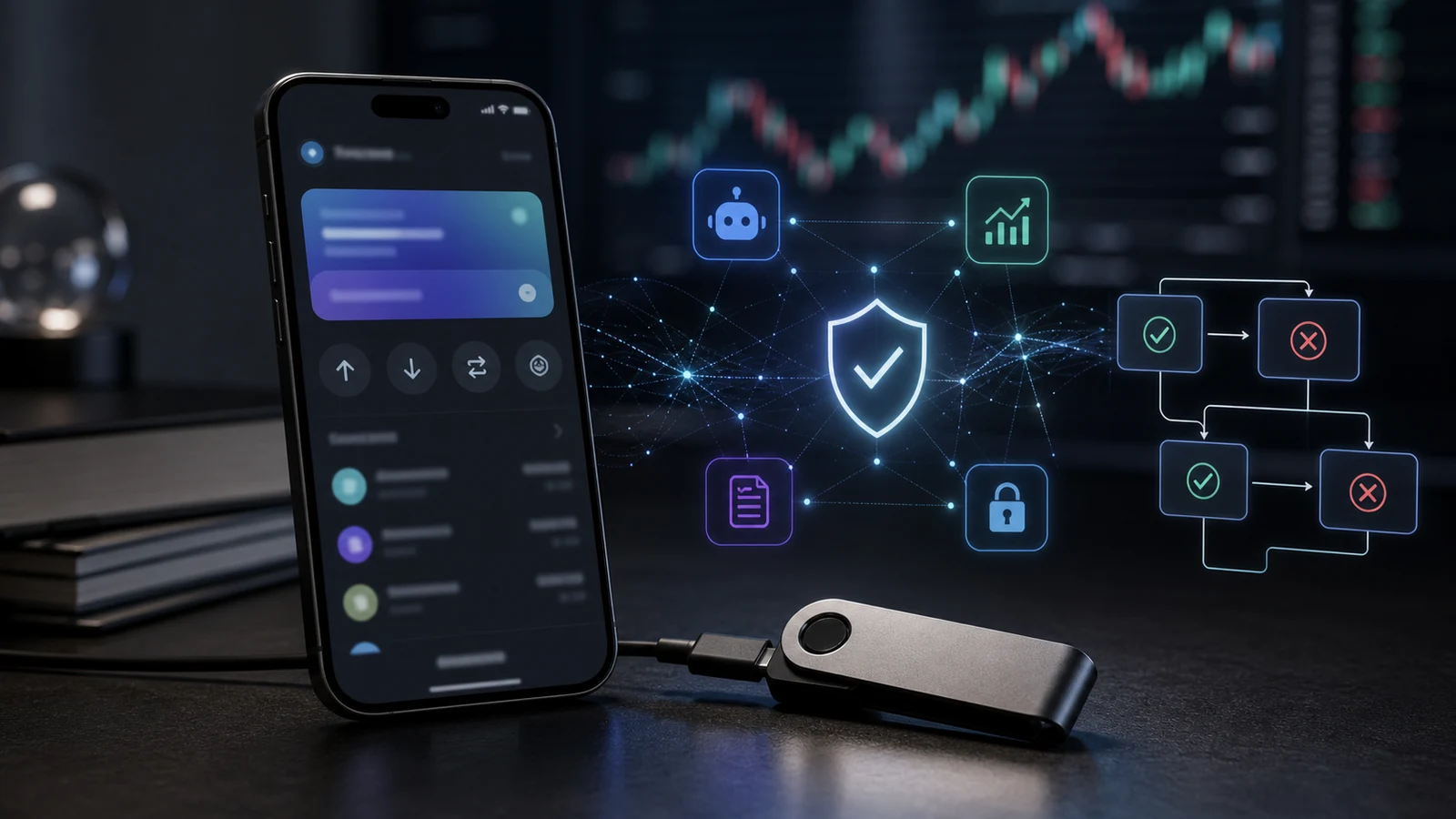
MetaMask moving toward an AI agent wallet with built-in security shows where crypto trading interfaces are heading. Wallets are no longer just places to sign transactions and hold tokens. They are becoming decision surfaces, risk checkers, routing tools, and eventually assistants that can help users understand what a trade or contract interaction might do before they approve it.
That direction makes sense because crypto remains unforgiving. A bad signature, fake token, malicious contract, or rushed swap can cause immediate loss. If an AI layer can explain risks, flag unusual permissions, identify suspicious addresses, or help users compare transaction paths, it could reduce some of the mistakes that make self-custody intimidating.
The move sits beside a broader shift toward tokenized and always-on finance. Patriotic Tech has tracked how trading is moving toward tokenized 24/7 markets. Wallet automation is one part of that same transition because users will need better tools if assets and markets become more continuous.
Automation needs hard limits
The danger is obvious. A wallet that can act for a user has to be extremely careful about authority. Suggestions are different from signatures. Explanations are different from approvals. If an AI agent can trigger transactions, users need clear spending limits, confirmation steps, audit trails, and the ability to revoke permissions instantly.
Security features should be visible, not hidden behind marketing. A good wallet agent would show why it flagged a contract, what data it used, what uncertainty remains, and what the user is about to authorize. Crypto users already deal with opaque contract calls. An AI layer that becomes another opaque box would not solve the trust problem.
There is also a business question. Wallets that guide trades can influence routing, fees, token discovery, and risk perception. That creates incentives that need transparency. If an agent suggests one bridge, swap, or token over another, users should understand whether the recommendation is based on safety, price, liquidity, sponsorship, or platform preference.
Still, guarded automation is likely coming because the current wallet experience is too technical for mainstream use. The right AI agent could make crypto safer and more understandable. The wrong one could automate mistakes at higher speed. MetaMask has to prove the guardrails matter as much as the agent.
The most valuable agent feature may be explanation rather than execution. If a wallet can translate contract permissions into plain language, compare a transaction with known scam patterns, and warn that a token route looks unusual, it helps users slow down at the exact moment when mistakes happen. That is different from promising profitable trades. Wallets should avoid becoming hype machines that push users toward more activity. The better version is a calm security layer that asks whether the user really wants to grant a permission, bridge to a risky chain, or interact with an unknown contract. In crypto, preventing one bad click can be more valuable than optimizing one good trade.
Regulators will watch this category closely. The wallet development covered by CoinDesk shows why the line between interface, security tool, and financial recommendation becomes harder to explain once a wallet starts advising ordinary customers.