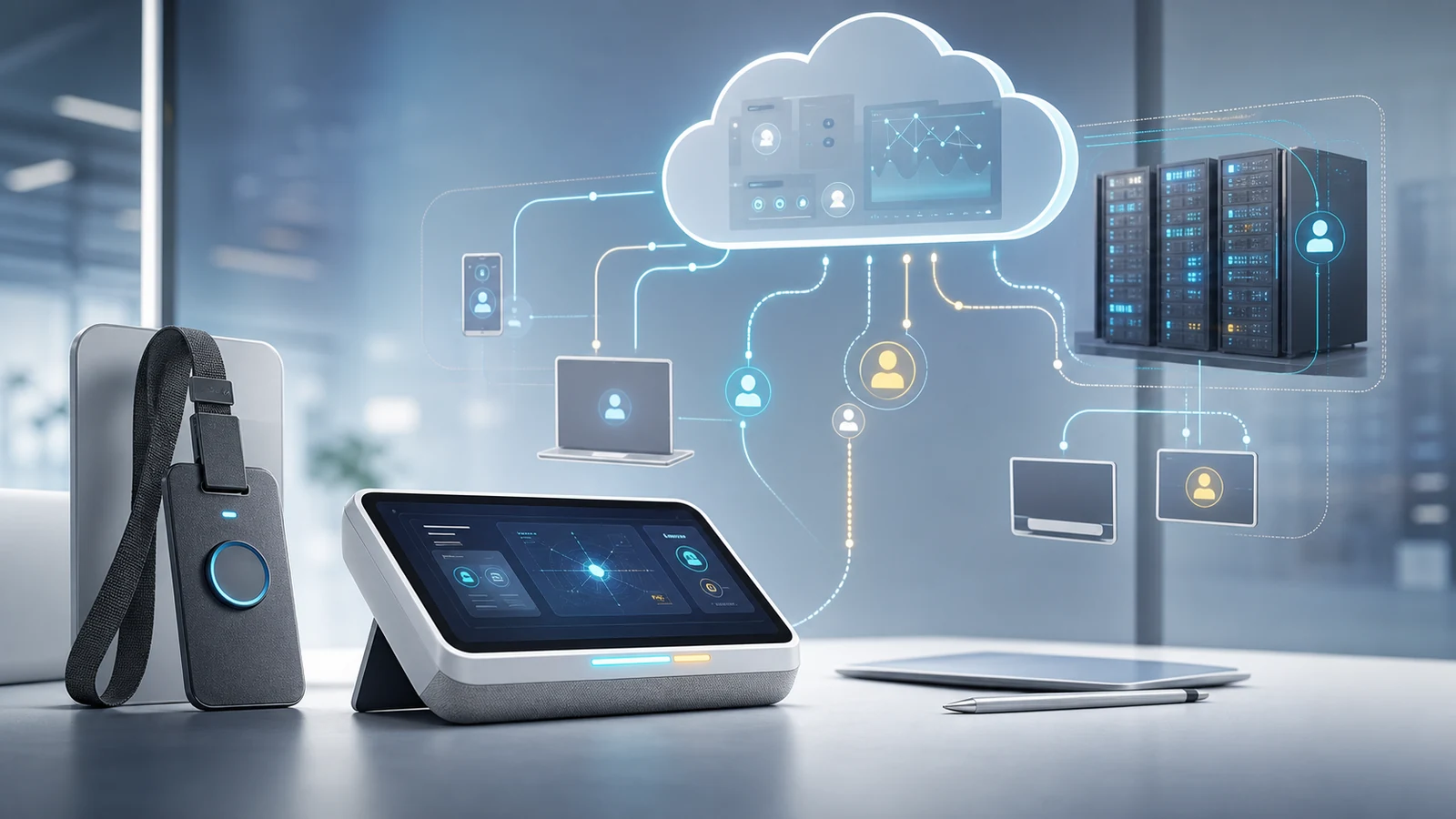
Microsoft is exploring a future where enterprise devices are designed around AI agents instead of traditional apps. Tom's Hardware reported on Project Solara, a chip-to-cloud platform shown at Build 2026 that combines an Android Open Source Project-based edge operating system, Azure-hosted agents, cloud state, and reference hardware such as a desk hub and wearable AI badge.
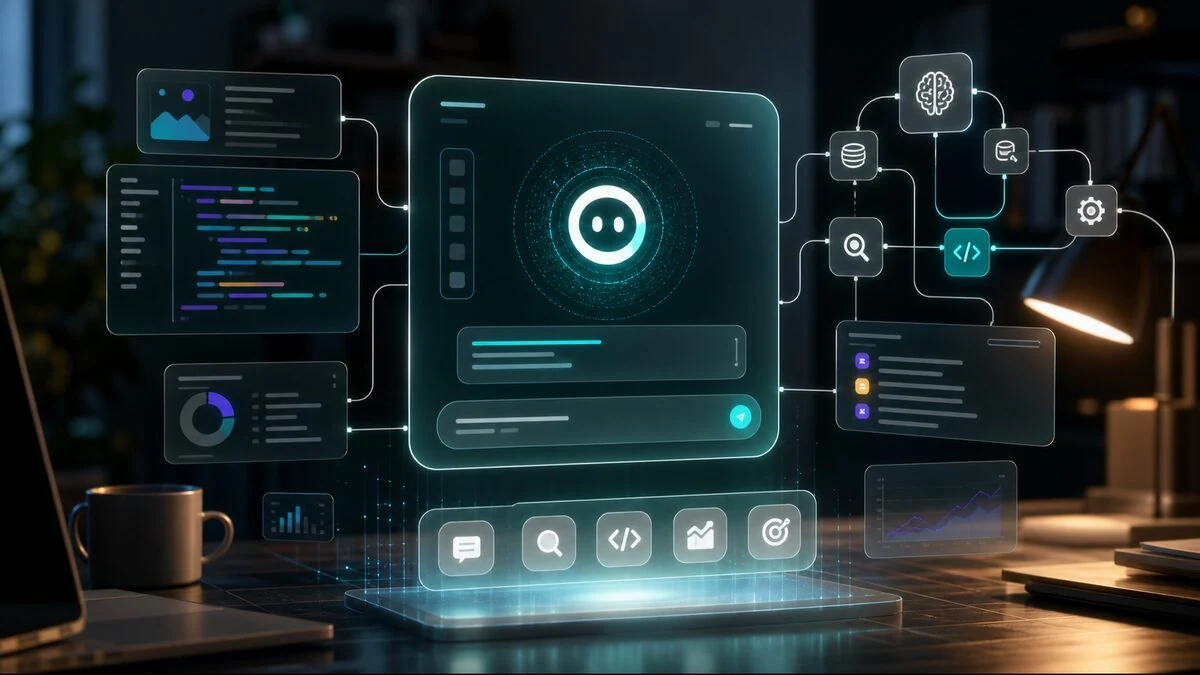
The idea is not that Microsoft will simply make another phone or smart speaker. Solara is more interesting because it imagines workplace hardware as a front end for agents that can listen, reason, dispatch tasks, and surface just-in-time interfaces. That is a different model from opening apps manually and navigating through menus.
What agent-first hardware changes
Traditional enterprise devices are built around screens, apps, accounts, and workflows. Agent-first devices are built around intent. A worker might ask for inventory status, customer context, schedule changes, translation, or task routing, and the system decides which services to use. That requires local sensors and cloud intelligence to cooperate without making the device feel slow or intrusive.
| Solara layer | Purpose | Enterprise concern |
|---|---|---|
| Edge operating system | Runs device behavior close to the user. | Security, updates, and hardware compatibility. |
| Azure-hosted agents | Handles reasoning, orchestration, and state. | Data governance and latency. |
| Reference devices | Shows badges, hubs, and task-specific hardware. | Whether workers will actually wear or use them. |
| Just-in-time UI | Displays controls only when needed. | Reducing friction without hiding accountability. |
Microsoft's choice to work through partners such as Qualcomm and MediaTek also matters. It suggests Solara is a platform play, not a single-device bet. Enterprise hardware is fragmented across retail, healthcare, logistics, hospitality, manufacturing, and field service. A flexible reference stack is more useful than one polished gadget that fits only a narrow use case.
The risk is that agent-first devices can become surveillance devices if poorly designed. A wearable badge in a workplace raises questions about recording, employee consent, retention, and management visibility. Enterprises will need clear rules about what is captured, what is processed locally, what goes to the cloud, and who can review agent activity.
The opportunity is speed. Many frontline workflows are still buried in tablets, handheld scanners, web portals, and manual checklists. If an agent can reduce steps without making mistakes, the device becomes valuable. The best use cases will be narrow at first: store associates, warehouse teams, patient intake, field repair, or customer-service escalation.
There is also a support advantage if Microsoft gets the platform right. Enterprises prefer devices that can be enrolled, patched, monitored, and retired through predictable management tools. Agent-first hardware will only scale if IT teams can control identity, logs, permissions, model access, and fleet health as easily as they manage laptops and phones today.
Project Solara is early, but it points to a credible hardware shift. The next enterprise device category may not be defined by screen size. It may be defined by how well the device connects sensors, local compute, cloud agents, and secure workflow execution. That is a harder product to build, but it is also where enterprise AI could become visible outside a browser tab.