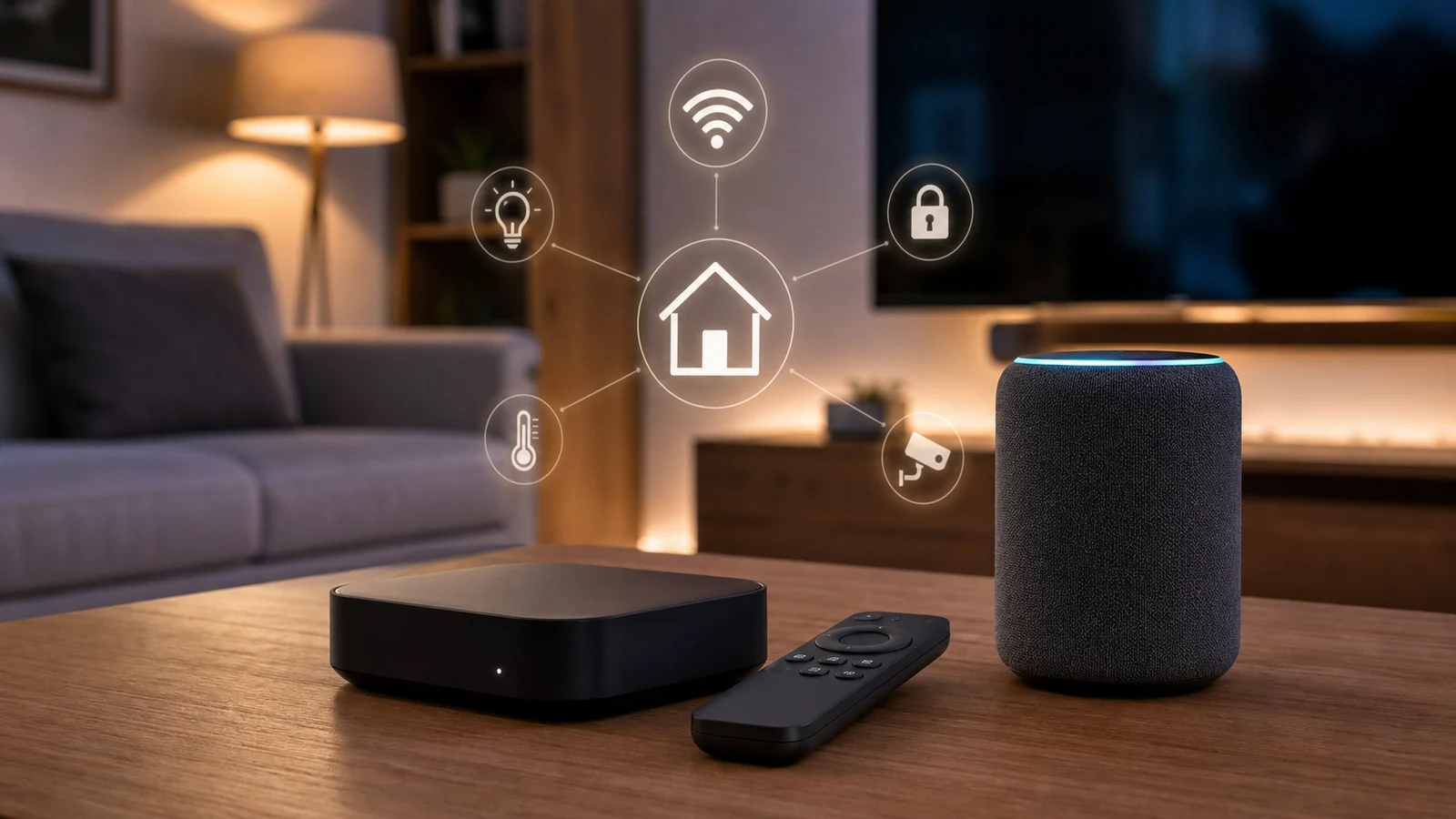
The Google TV Streamer update is more important than a normal living-room software patch because streaming boxes are slowly becoming smart home infrastructure. A device under the TV is no longer only a Netflix launcher. It can be a voice interface, smart home bridge, recommendation engine, camera viewer, and control point for the connected house.
That makes update timing important. Users expect entertainment boxes to get better quietly, but long gaps can make a product feel neglected. When a device is supposed to sit at the center of the living room, software support becomes part of the value. The newest update helps Google show that the Streamer is still part of its current smart home plan.
Thread 1.4 support is the technical detail that stands out. Thread is one of the networking pieces behind modern smart home standards, and better support can improve how devices communicate. For users, the ideal outcome is simple: lights, sensors, plugs, and other connected devices should respond more reliably without constant troubleshooting.
Pocket-lint reported that the long-awaited Google TV Streamer update has arrived after more than half a year, bringing Thread 1.4 support. The report also notes last year's major change, when Gemini replaced Google Assistant for more natural content discovery and help.
The streamer as a home hub
Google has a strong reason to make its TV device more useful beyond video. The television is often the largest shared screen in the home. If the Streamer can show doorbell feeds, control lights, handle routines, surface content, and answer natural requests, it becomes more central than a small smart speaker in the corner.
This update connects directly to our home automation overview. Smart home comfort depends on reliability. A user should not need to know which protocol or hub is involved. The system should simply work when a device is added, controlled, or automated.
Gemini is the other part of the story. Replacing Google Assistant on the Streamer gives Google a chance to make TV search feel less rigid. Asking for a show by mood, actor, scene, or vague memory could be more useful than typing through rows of apps. The risk is that AI features can feel noisy if they interrupt the basic job of quick playback.
Google also has to keep privacy clear. A living-room device can hear voice requests, connect to smart home controls, and surface household entertainment habits. If it becomes more powerful, it also needs simple settings for microphone use, account access, camera feeds, and home permissions.
The update does not reinvent the Google TV Streamer, but it makes the device more credible as a living-room control point. That is where streaming hardware is headed. The best box will not only launch apps quickly. It will quietly make the connected home easier to use.
The next test is whether Google keeps the update pace steady. Smart home devices depend on trust over years, not just a single release. Matter, Thread, Gemini, app compatibility, and security fixes will all keep moving. If the Streamer receives regular practical updates, it can become a stable home platform. If updates arrive rarely, buyers may treat it like another disposable TV dongle.