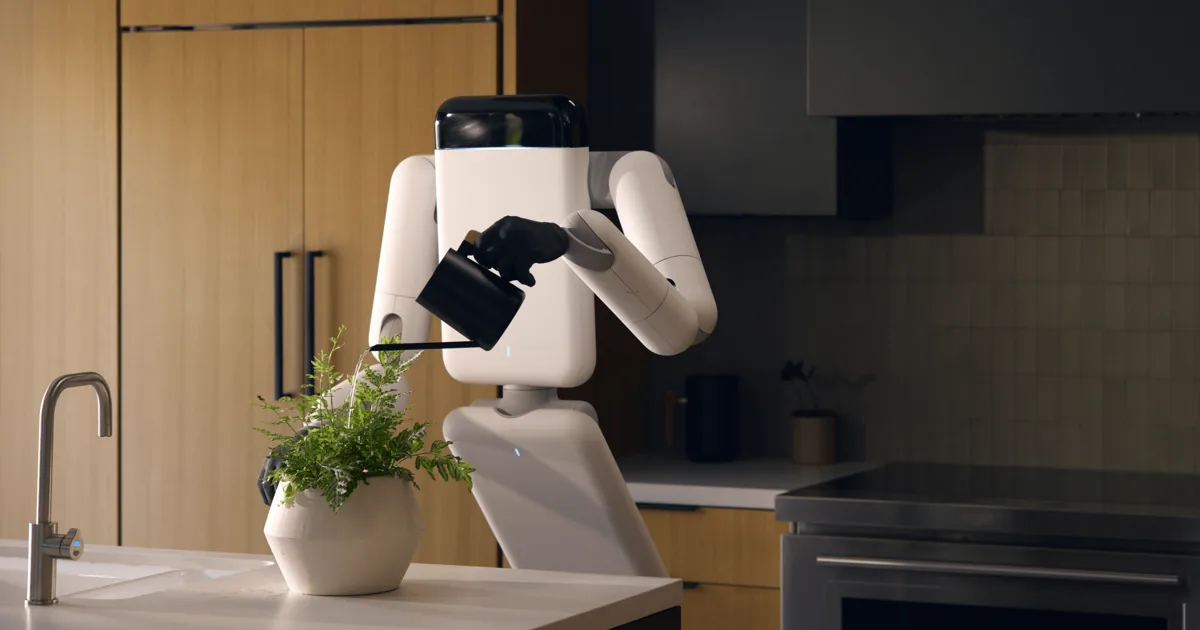
AI in the home is becoming less about a single smart speaker and more about appliances that respond to context. A new Chinese retail report says AI smart appliances grew strongly during 618, and that is a useful sign of where everyday gadgets are heading. The next phase of the smart home may be less about remote control and more about appliances that make small decisions without constant user input.
That shift matters because older smart-home products often added connectivity without changing the actual experience. A washing machine with an app is not automatically smarter. A refrigerator that can suggest storage settings, an air conditioner that reacts to where people are sitting, or a washer-dryer that adjusts by fabric type is closer to the promise. The value comes from reducing decisions, not adding another screen.
Chinese retailers have a good view into this trend because 618 is a major buying window for appliances, phones, computers, and home electronics. When shoppers replace larger home devices, they increasingly compare AI features as part of the upgrade. Some of those features may still be marketing-heavy, but the direction is clear: intelligence is becoming part of the appliance pitch.
Huanqiu reported that Suning data showed AI smart appliances growing during 618, with AI-featured home appliances becoming a larger share of sales. The report also pointed to demand for large TVs, projection devices, soundbars, smart locks, robot vacuums, and connected home products.
This connects naturally with our earlier coverage of Midea and WeChat AI smart-home integration. The industry is moving from isolated gadgets to systems that can coordinate services, messages, and routines. The hard part is making that coordination useful without creating privacy concerns or confusing setup flows.
Televisions and entertainment gear show another side of the trend. Large high-refresh TVs, projectors, and soundbars are not always called AI devices, but they are part of the same upgraded living-room ecosystem. Consumers are building home setups for sports, streaming, gaming, and family viewing. AI can help with picture modes, voice search, recommendations, and device control, but the hardware still has to deliver obvious quality.
The appliance category also shows why AI has to be practical. Nobody wants a refrigerator that feels like a chatbot for its own sake. Users want food to last longer, energy use to drop, laundry to come out right, rooms to stay comfortable, and cleaning to happen with less intervention. The best AI home features will be the ones people stop noticing because they simply make the machine behave better.
The Huanqiu report suggests smart-home AI is moving from novelty toward purchase consideration. That does not mean every claim deserves trust, and buyers should still look for repairability, privacy controls, and reliable core performance. But the direction is real. AI is leaving the app and entering the appliances people use every day, one practical feature at a time.
The best products will be the ones that stay useful even when the novelty fades. If AI saves energy, reduces waste, or prevents mistakes, buyers will keep using it.