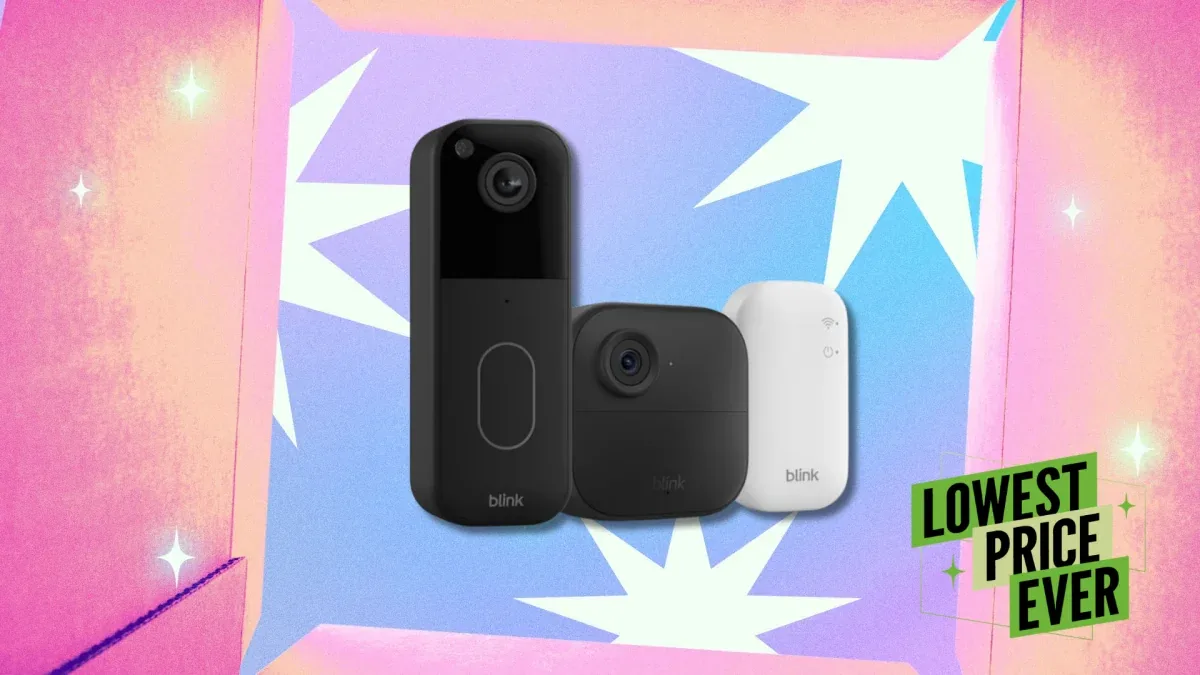
Home security cameras have become one of the easiest smart home entry points because the value is obvious. A discounted Blink camera and doorbell bundle makes that even clearer. People may hesitate over connected lights, thermostats, or speakers, but a camera that watches a front door, driveway, package drop, or side gate solves a problem that many households already understand.
The appeal of budget security hardware is not that it beats professional systems. It is that it lowers the decision barrier. A buyer can try a camera bundle without redesigning the house, scheduling installers, or committing to an expensive setup. That kind of low-friction purchase has helped cameras become the gateway gadget for many smart home users.
The deal also connects to the broader shift toward more automated home devices. Our smart home agent coverage looked at appliances moving toward assistant-like behavior. Cameras are part of the same home intelligence layer, but they carry higher trust demands. A smart appliance can be annoying if it misunderstands a command. A security camera raises questions about privacy, recording, cloud storage, and who can see the footage.
Lifehacker highlighted the Blink security bundle sale during the early shopping cycle. The price angle matters because smart home hardware often expands through bundles. A doorbell plus indoor or outdoor cameras can make the system feel complete enough for a first-time buyer, while still staying cheaper than piecing together separate devices later.
Buyers should look beyond the discount. Battery life, video quality, night vision, local storage options, subscription requirements, app reliability, and motion alert accuracy decide whether a budget camera remains useful. A cheap device that floods a phone with false alerts can become more stressful than protective. The best budget system is the one that stays quiet until something matters.
Amazon's Blink line also benefits from ecosystem familiarity. Many households already use Alexa devices, so adding cameras feels natural. That convenience is powerful, but it should not replace basic privacy settings. Users should review notification zones, account security, sharing permissions, and storage plans before treating any camera as a set-and-forget appliance.
The bundle deal is not revolutionary, but it shows why connected home security keeps growing. Cameras are practical, visible, and easy to explain. When the price drops far enough, more households will try them. The long-term winner will be the system that combines affordability with control, because trust matters more in home security than any temporary sale price.
There is one more practical detail: camera placement matters more than camera count. A discounted bundle can tempt buyers to scatter devices quickly, but the best setup starts with the main risk points. Front door, package area, rear entrance, garage, and shared hallway views usually matter more than filling every room. Good placement reduces false alerts and privacy concerns. A cheaper bundle is most valuable when it helps cover the right areas, not simply more areas. The best first system is the one people keep using after the sale excitement fades. That is where setup discipline matters.