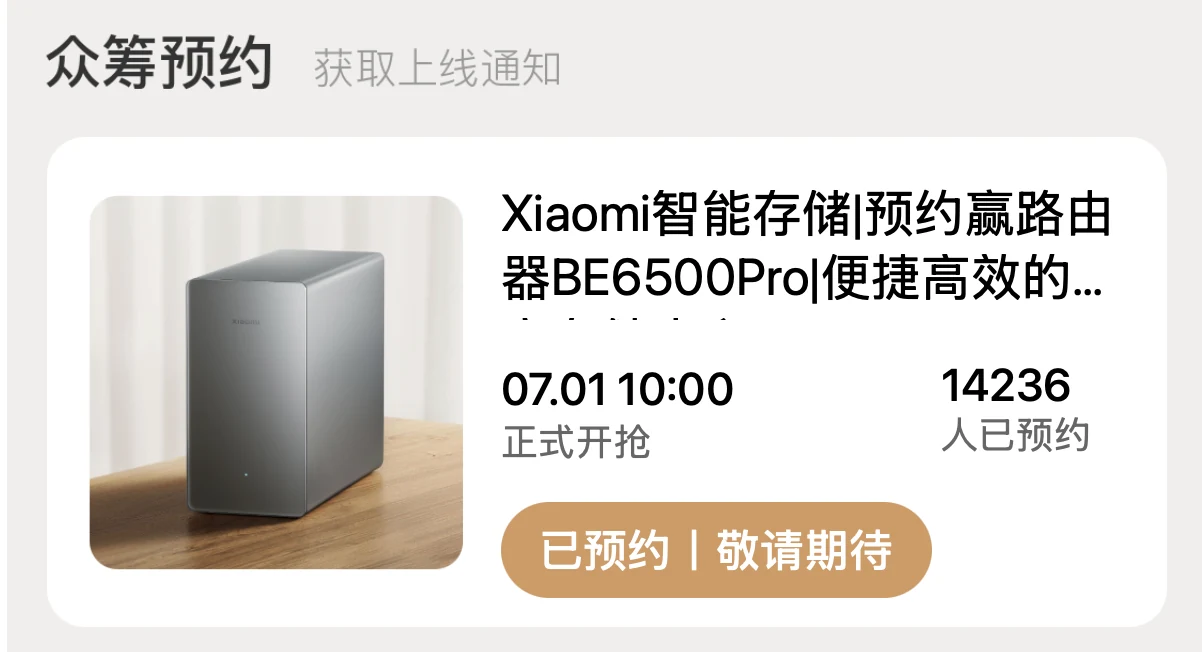
Xiaomi entering the smart storage conversation is important because NAS products have often felt too technical for normal households. People want photo backup, family video storage, private files, device syncing, and media libraries, but many do not want to learn enterprise-style storage language. Xiaomi's Smart Storage launch appears designed to make that category feel less intimidating and more like a home gadget.
That is a smart target. Phones now generate huge photo and video libraries, laptops keep getting smaller internal storage tiers, and cloud subscriptions are becoming a long-term cost. A simple local storage box can make sense if setup is easy, remote access is clear, and family sharing does not require constant troubleshooting. Xiaomi's brand gives it a chance to sell NAS ideas to people who would never browse a specialist storage forum.
The launch also fits Xiaomi's broader ecosystem logic. A storage hub can support phones, tablets, TVs, cameras, routers, and smart home devices. We have seen Xiaomi stretch beyond phones in stories like our Xiaomi 18 Pro design coverage, but storage is different. It becomes infrastructure inside the home.
雷科技 covered Xiaomi Smart Storage and framed it around a starting price that could put pressure on the NAS industry. The report's key point is not only price. It is Xiaomi's attempt to avoid making the product feel like an enthusiast toy.
The challenge is trust. A home storage device holds personal photos, family documents, financial files, school projects, and backups. Xiaomi has to make privacy controls obvious, recovery tools simple, and account access secure. A cheap NAS that is confusing can be worse than no NAS at all because users may think their data is safe when it is not properly backed up.
Performance will matter too. Users expect phone backups to happen quietly, thumbnails to load quickly, and video playback to work without stutter. If Xiaomi underbuilds the hardware, the product could disappoint the exact mainstream audience it wants. If it overbuilds the interface, it could scare them away. The sweet spot is boring reliability with enough power for household use.
Xiaomi Smart Storage could make the NAS category more visible to ordinary gadget buyers. That will annoy some traditional vendors, but it may also expand the market. The real test is whether Xiaomi can turn private storage into a product people actually maintain. If it does, the home backup conversation could move from hobbyist shelves into living rooms.
There is a useful phone angle here as well. A NAS becomes easier to sell when phone storage tiers get expensive and family photo libraries keep growing. Xiaomi can bundle the idea with phone backup, TV playback, and remote file access instead of explaining RAID first. That is how a technical category becomes a consumer category. The danger is oversimplification, because backup strategy still matters. Xiaomi has to make the product simple without pretending data protection is magic.
Xiaomi also has to think about service life. Storage products are not replaced as casually as earbuds or fitness bands. Buyers will expect years of updates, disk compatibility, and recovery guidance. That long ownership cycle is new territory for a mass-market gadget pitch.