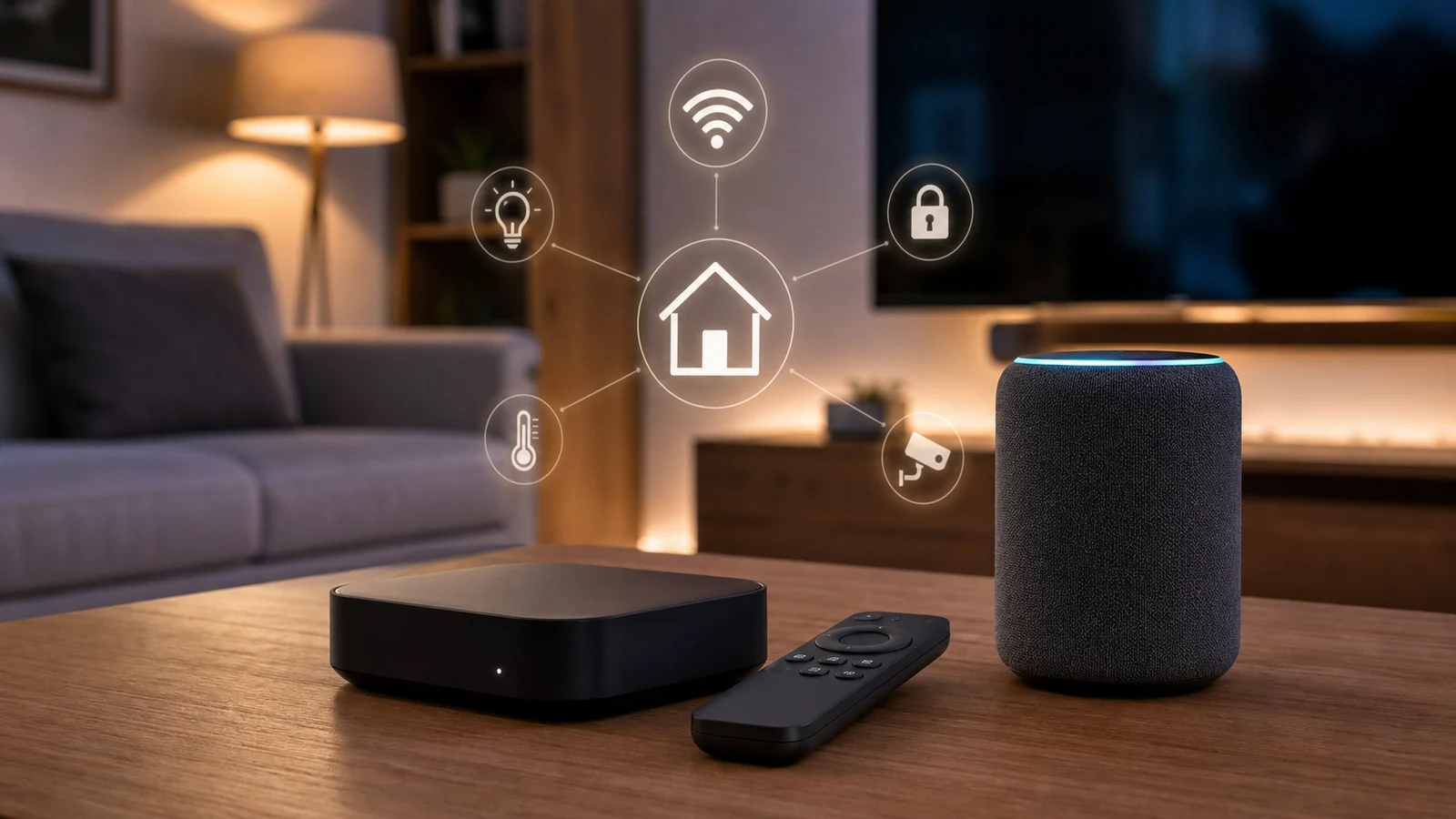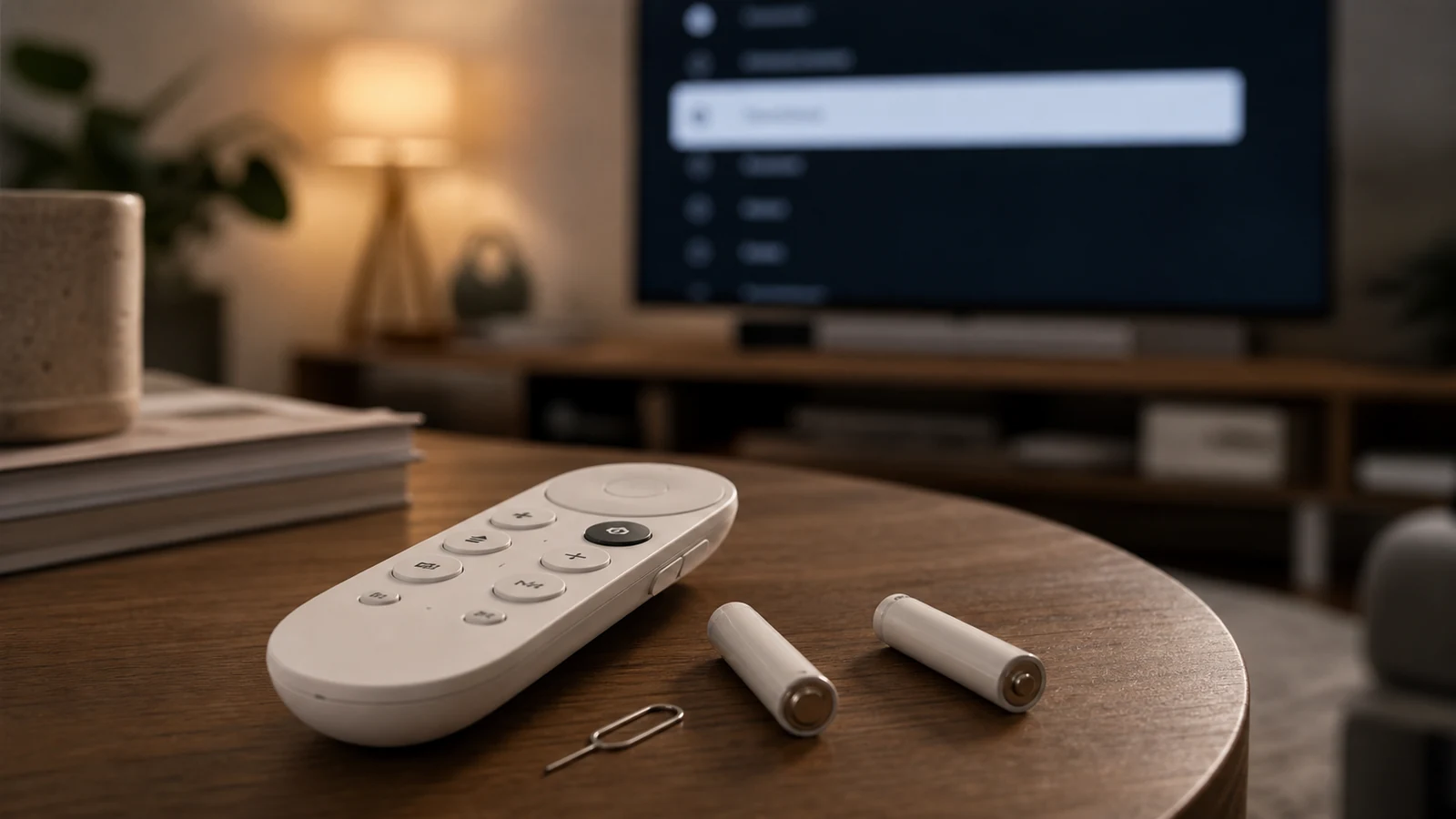
A streaming box can have a fast interface, good app support, and smart recommendations, but the remote still decides whether the living room experience feels reliable. That is why reports of Chromecast with Google TV remote failures matter. A remote is a small object, but it is the one part of the product everyone touches. When buttons stop responding, pairing fails, or navigation becomes inconsistent, the whole platform feels worse, even if the software and services are working behind the scenes.
Google TV has been trying to become more useful as a smart home and entertainment hub. That makes hardware reliability more important, not less. If a user has to fight the remote before opening YouTube, Netflix, smart camera feeds, or live TV, the platform loses trust. People do not want to troubleshoot Bluetooth or infrared behavior on a couch. They want a device that turns on, moves, selects, and gets out of the way.
The issue also shows why low-cost streaming hardware is difficult. Companies keep prices down by trimming materials, shipping small remotes, and relying on software fixes where possible. That works until a physical control becomes the failure point. Replacement programs, clearer troubleshooting, and better remote designs can do more for user satisfaction than another home screen redesign.
The failure reports covered by 9to5Google describe some Chromecast with Google TV users dealing with remote problems. This is not a glamorous gadget story, but it is practical. Streaming devices live in family rooms, bedrooms, hotels, and shared spaces where reliability matters more than novelty. If Google wants TV hardware to carry more smart home features, the remote has to feel boring in the best way: dependable, replaceable, and obvious. A small accessory can define the whole product when it is the only bridge between the user and the screen.
Google can learn from this because TV hardware is judged differently from phones. A phone user may tolerate a beta feature or occasional app bug because the device does many things. A TV remote has a narrower job, so failure feels more direct. If volume, navigation, power, or pairing becomes unreliable, the product feels broken to everyone in the room. That makes accessory quality a platform issue, not a small support footnote.
The fix does not need to be dramatic. Better replacement availability, clearer troubleshooting pages, stronger pairing recovery, and a more durable next-generation remote would go a long way. Google TV is competing against Roku, Fire TV, Apple TV, smart TV platforms, and game consoles. In that market, the winning device is often the one that family members can use without thinking. The remote has to earn that trust every single night.
That reliability also affects app partners. Streaming services want their apps on devices that people use smoothly. If the basic remote experience becomes frustrating, even strong content libraries cannot prevent the hardware from feeling disposable.
For users, the lesson is practical too. A streaming device purchase should include remote durability, replacement cost, and phone-app fallback controls in the decision, not only processor speed or app count.