Xiaomi phone launches are rarely just phone launches anymore. The reported robot appearance around the Xiaomi 17T event is a reminder that the company is trying to sell an ecosystem, not only a handset. A humanoid robot on stage may not be ready for normal buyers, but it helps frame the phone as one part of a larger AI hardware strategy. That matters because every major Chinese electronics brand is now looking for a way to connect phones, cars, appliances, and personal AI devices under one brand story.
The leak is also useful because Xiaomi has already shown a humanoid robot concept before. The difference now is timing. In 2026, AI hardware has moved from research demos to a race for practical interfaces. Phones still provide the screen, modem, camera, app store, wallet, and identity layer. Robots and smart home devices need that layer if they are ever going to become consumer products. Showing a robot near a phone launch makes the 17T look less like a normal refresh and more like an anchor device for Xiaomi's next platform pitch.
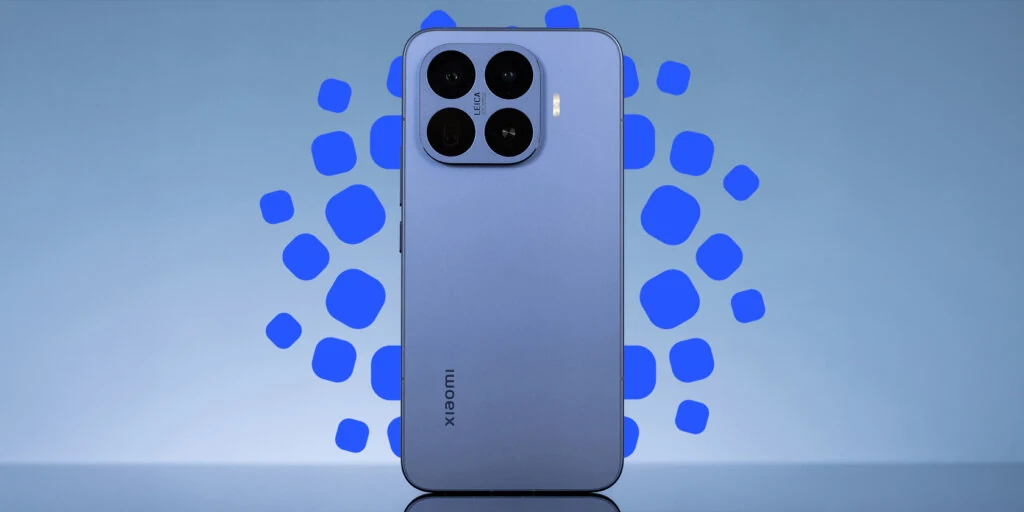
The phone details still matter. The 17T Pro is rumored to use a Dimensity 9500 platform, Leica-branded cameras, a periscope zoom system, and aggressive imaging features. That makes the event attractive to regular phone buyers even if the robot is only a tease. It also gives Xiaomi a way to show AI as something that lives across camera processing, device control, voice interaction, and robotics, instead of only in a chatbot window.
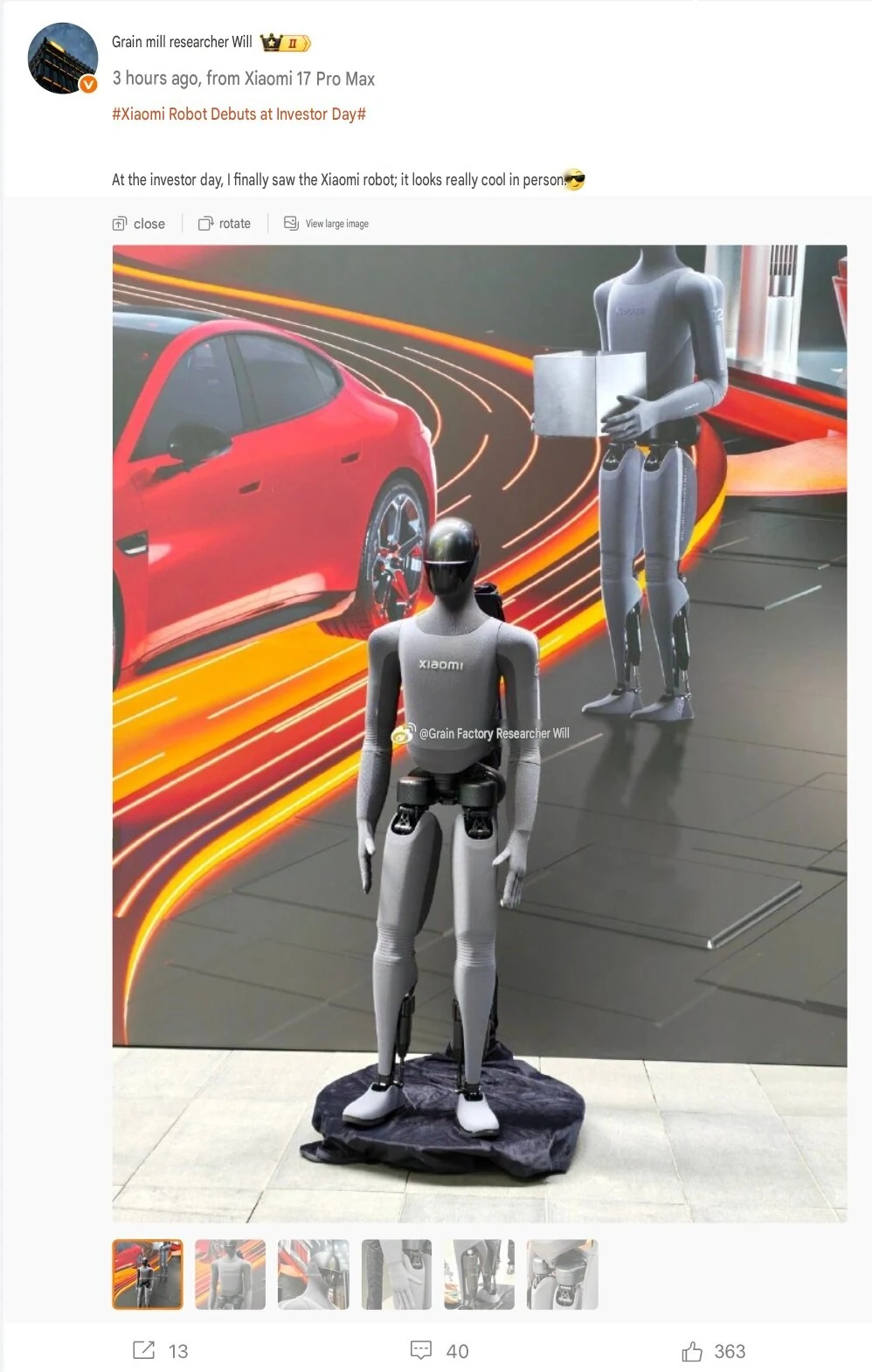
XimiTime reports that Chinese media and Xiaomi executive Lu Weibing's video sparked talk of a gray humanoid robot with Xiaomi branding appearing around the 17T China launch. The commercial details are still unclear, and there is no reason to assume a near-term consumer release. The more realistic reading is that Xiaomi wants to show investors and users that its AI roadmap is not limited to phones. If the robot appears only as a short stage demo, it will still serve a purpose: it turns a handset reveal into a signal that Xiaomi sees the phone as the controller for a much larger device network.
The danger with robot demos is that they can look impressive on stage and meaningless in daily life. Xiaomi has to avoid presenting robotics as a magic trick that has no product path. The more convincing approach would be to show how the phone works as the identity, camera, connectivity, and control layer for nearby intelligent devices. A robot does not need to be ready for sale to be useful as a roadmap signal, but the demo should still explain what Xiaomi is actually building toward.
That is where the 17T can help. A flagship phone with strong imaging, fast silicon, and ecosystem hooks gives Xiaomi a practical anchor. The company can talk about AI without pretending the robot is the product people will buy tomorrow. The phone remains the thing users carry, while the robot shows where Xiaomi wants ambient computing to go. If the company keeps that balance clear, the event can feel ambitious without feeling empty.