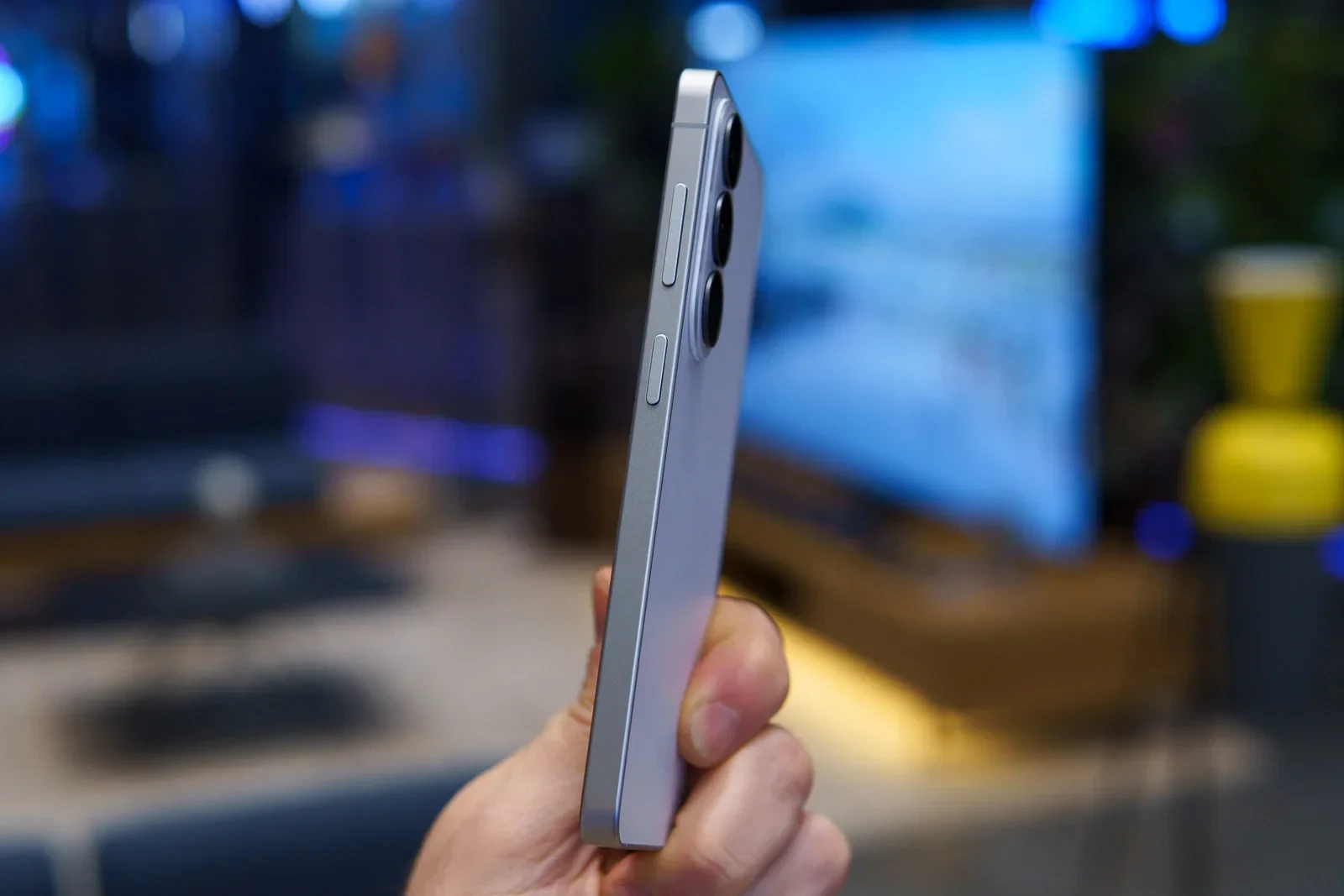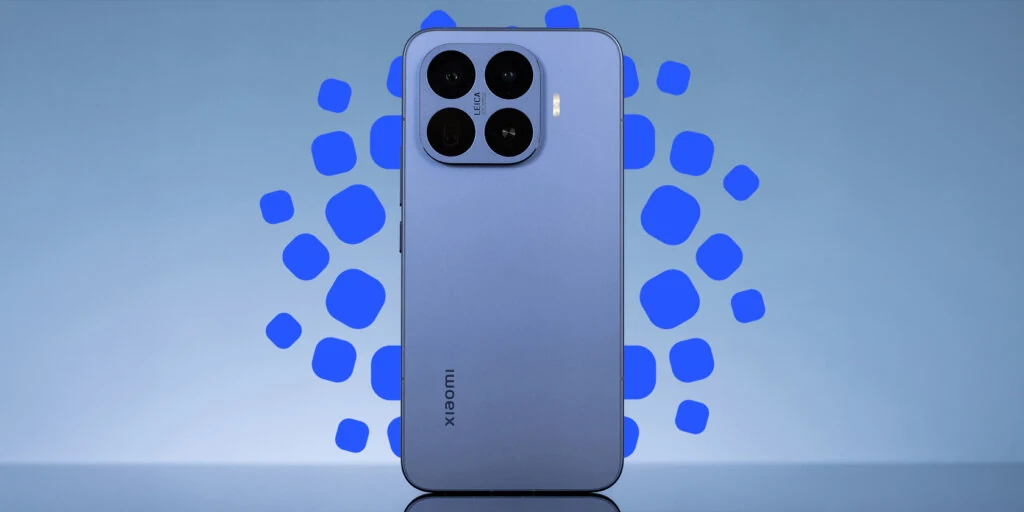
Xiaomi's premium phone push has often been judged with skepticism because the company is still strongly associated with value hardware. The Xiaomi 17 series sales leak is useful because it suggests buyers are willing to follow the brand upward when the product mix is convincing. Passing five million units across a flagship family would not automatically make Xiaomi equal to Apple or Samsung in premium perception, but it would show that the company has more than a loud launch cycle. It has actual demand.
The lineup structure is a big part of that. Xiaomi is not depending on one flagship to do everything. The reported family includes standard, Pro, Pro Max, Ultra, Leica Edition, Max, and 17T style variants. That gives Xiaomi room to match different buyers: camera fans, battery-focused users, performance buyers, and people who want flagship branding without the highest price. The challenge is complexity. Too many models can confuse buyers, but a disciplined spread can make a premium strategy more resilient.
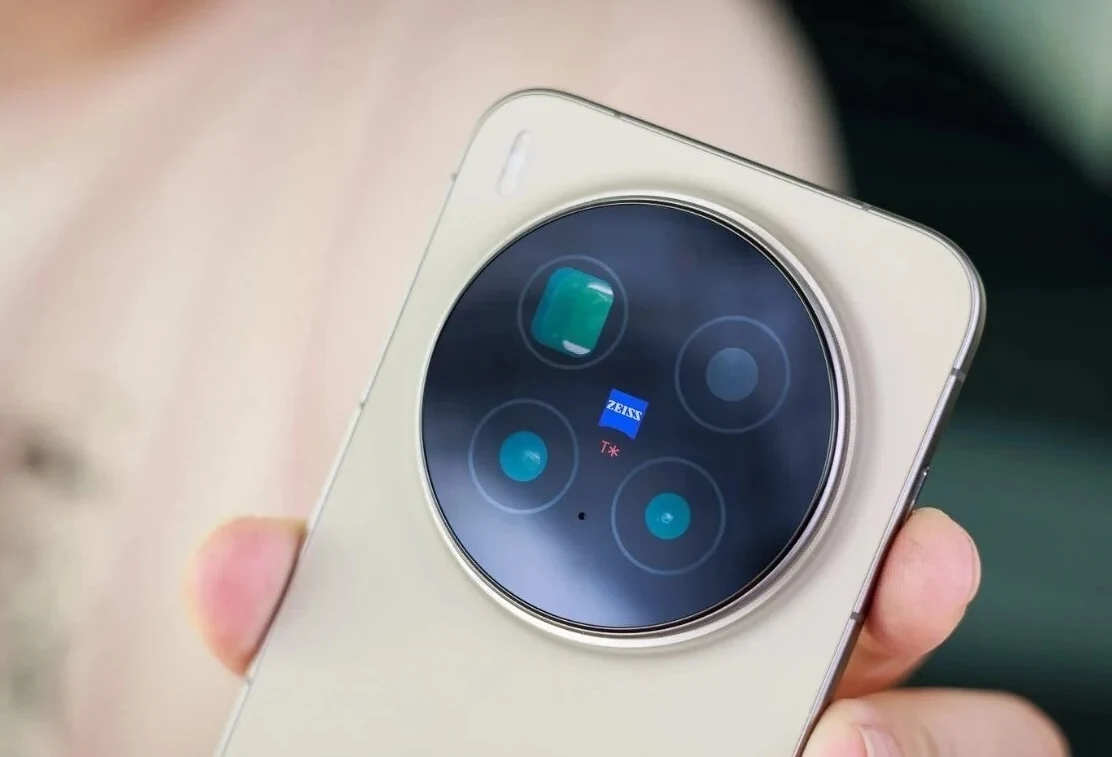
Sales momentum also helps Xiaomi negotiate the next stage of its ecosystem story. Phones are still the center of Xiaomi's car, home, wearable, and AI device ambitions. A strong flagship base gives the company more high-value users to pull into those services. It also gives Xiaomi confidence to push bolder hardware experiments, including foldables and rear-display concepts, without depending only on low-margin budget volume.
XimiTime reports that RDObservation data places Xiaomi 17 series cumulative sales at about 5.08 million units by the 22nd week of 2026, with smaller counts for some Ultra and Max variants. The exact breakdown will matter because premium success is not only total volume; it is which models carry margin. Still, the direction is positive for Xiaomi. If the company can keep software polish, camera quality, and long-term updates aligned with its hardware ambition, the 17 series may be remembered as the generation that made Xiaomi's premium push feel less experimental.
The next test is retention. Selling a flagship is one win; keeping that buyer inside the Xiaomi ecosystem for the next upgrade is harder. Premium customers expect strong cameras, fast repairs, polished software, predictable updates, and accessories that arrive on time. If Xiaomi can deliver those softer parts of ownership, the 17 series sales will become more than a one-generation spike. They will become evidence that the brand can support premium loyalty.
Competition will not wait. Apple and Samsung still control much of the global premium mindshare, while Honor, vivo, Oppo, and Huawei keep attacking the China market with aggressive hardware. Xiaomi has to turn momentum into trust. The 17 series can help if buyers feel the phones are still improving months after purchase. That means updates, camera tuning, battery optimization, and ecosystem features will matter as much as the launch numbers.
Global expansion is the harder piece. Strong China numbers are valuable, but Xiaomi needs more consistent flagship availability in other regions if it wants the 17 series to reshape premium perception outside its home market.
The launch also gives Xiaomi more room to negotiate with suppliers. Strong flagship volume can improve access to better camera parts, displays, batteries, and custom tuning, which then feeds the next generation of premium phones.