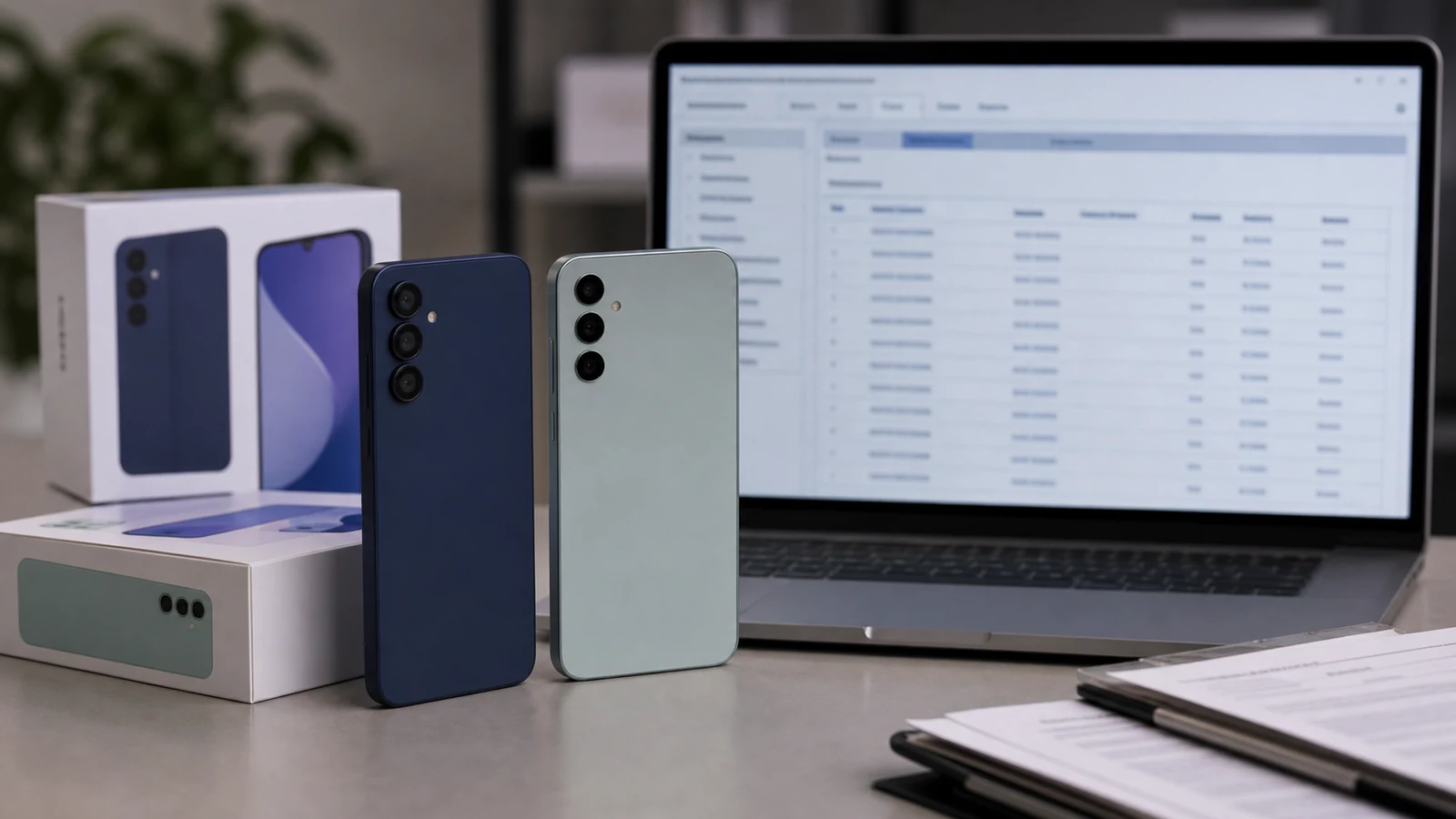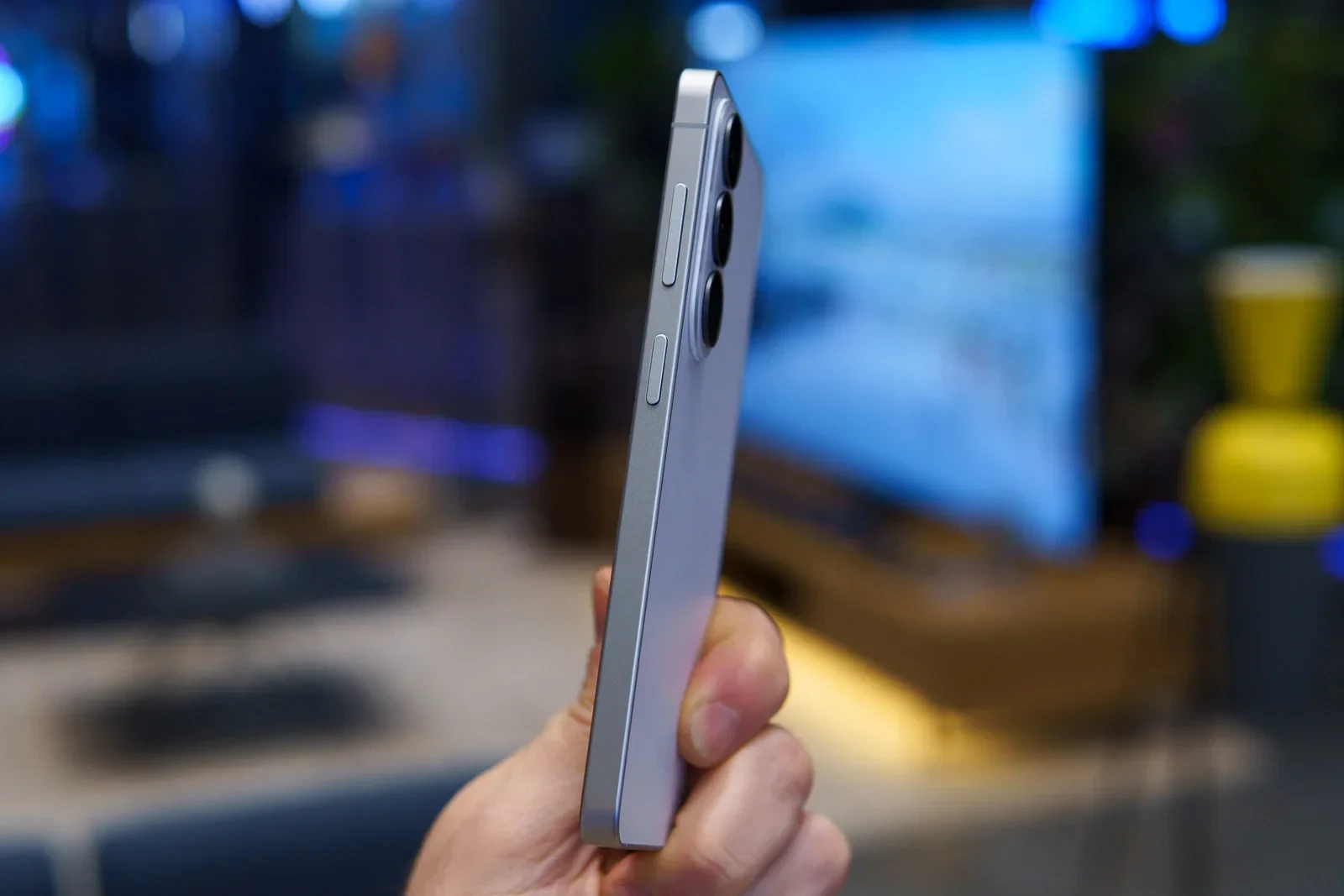
The first visible sign of a Galaxy S27 model is not exciting because of the listing itself. Certification and database entries are usually dry. The reason it matters is timing. Samsung flagship rumors always begin long before launch, but a database footprint gives the next cycle a more concrete shape. It tells buyers, accessory makers, component watchers, and carrier planners that Samsung's 2027 flagship path is already moving through the usual background channels.
That early visibility matters more now because Samsung's premium lineup is under pressure from several directions. Chinese brands are pushing larger batteries, faster charging, brighter screens, and more aggressive camera hardware. Apple is still the default premium reference point in many markets. Samsung also has to decide how much visible difference it can place between the regular S27, Plus, and Ultra models without making the lower versions feel too safe. A database listing does not answer those questions, but it starts the watch.
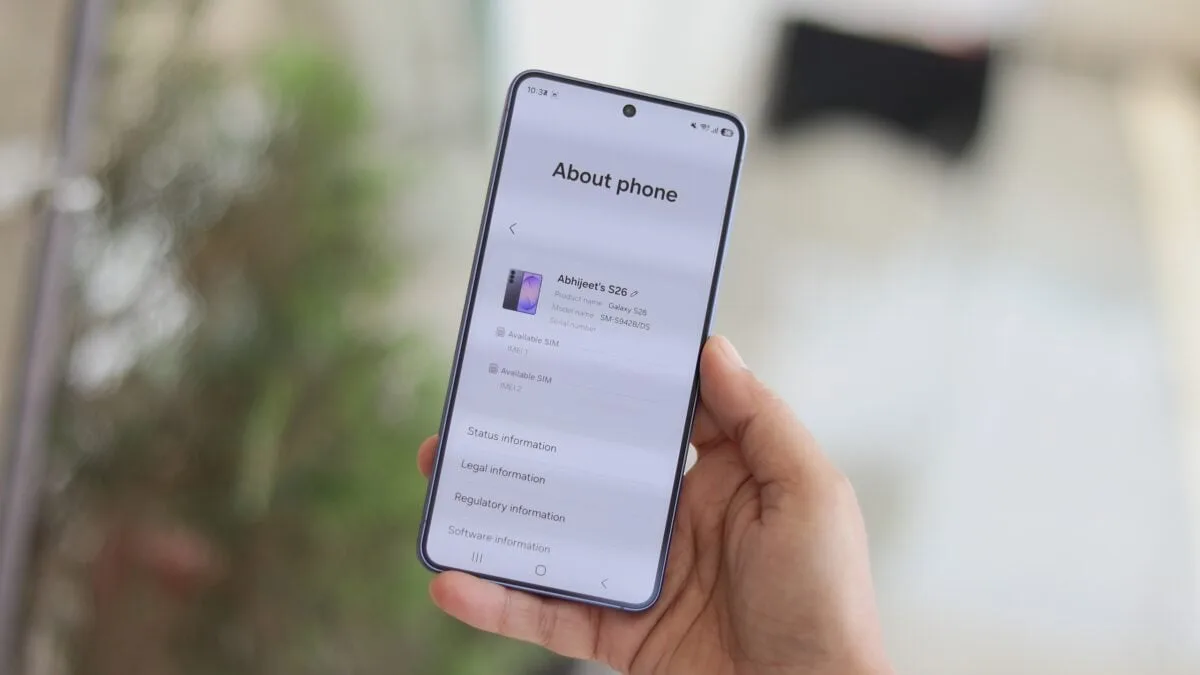
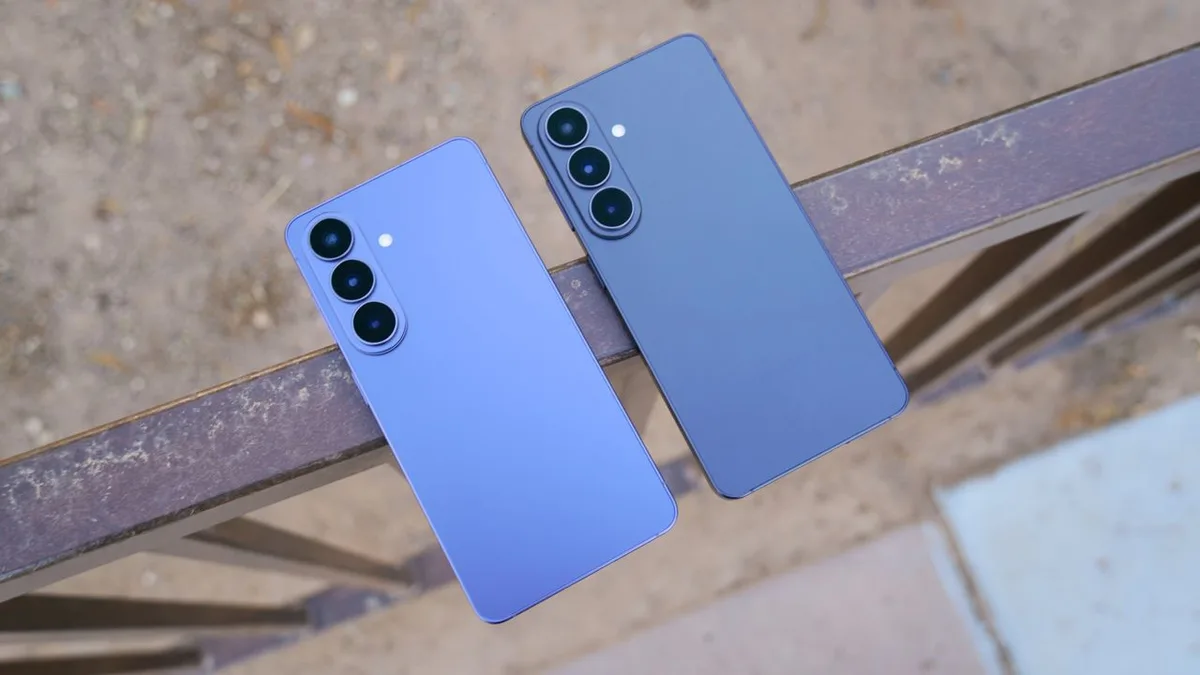
The Galaxy S26 generation already showed how much attention Samsung gives to launch timing and pre-order structure. Our Galaxy S26 Ultra launch coverage highlighted the importance of early buyer bonuses and event positioning. For the S27 cycle, the hardware questions will probably be joined by a bigger AI question: which features run locally, which require cloud processing, and which are reserved for the most expensive model.
The report from PhoneArena frames the database appearance as the first official confirmation that the Galaxy S27 is in motion. That does not mean specifications are final, and it definitely does not mean buyers should delay a current purchase only because a future listing exists. It simply means the rumor season has crossed from imagination into traceable development. Over the next few months, the useful leaks will be the ones that show battery size, chipset split, camera changes, and display dimensions, because those are the areas where Samsung has to prove the S series is still moving forward.
Samsung's biggest challenge may be making the regular S27 feel like a flagship in its own right. The Ultra model naturally gets the best camera system and most visible upgrades, but the base model is the one many people hold every day. If Samsung gives it only small changes, the database listing will start a rumor cycle built around disappointment. A better battery, brighter display, better thermal control, or more local AI headroom would make the standard model easier to defend.
The chip story will also be watched closely. Regional Snapdragon and Exynos splits can shape public perception before a phone reaches stores. Samsung needs a simple performance and battery message that works across markets. If the S27 arrives with uneven chip behavior, buyers will focus on what version their country gets instead of what the phone can do. Early listings are only the start, but they open the door to those familiar questions.
Camera hardware will be the other early battleground. Samsung does not need to reinvent every sensor each year, but the S27 family has to show enough image progress that buyers do not feel the safest upgrade is simply waiting again.