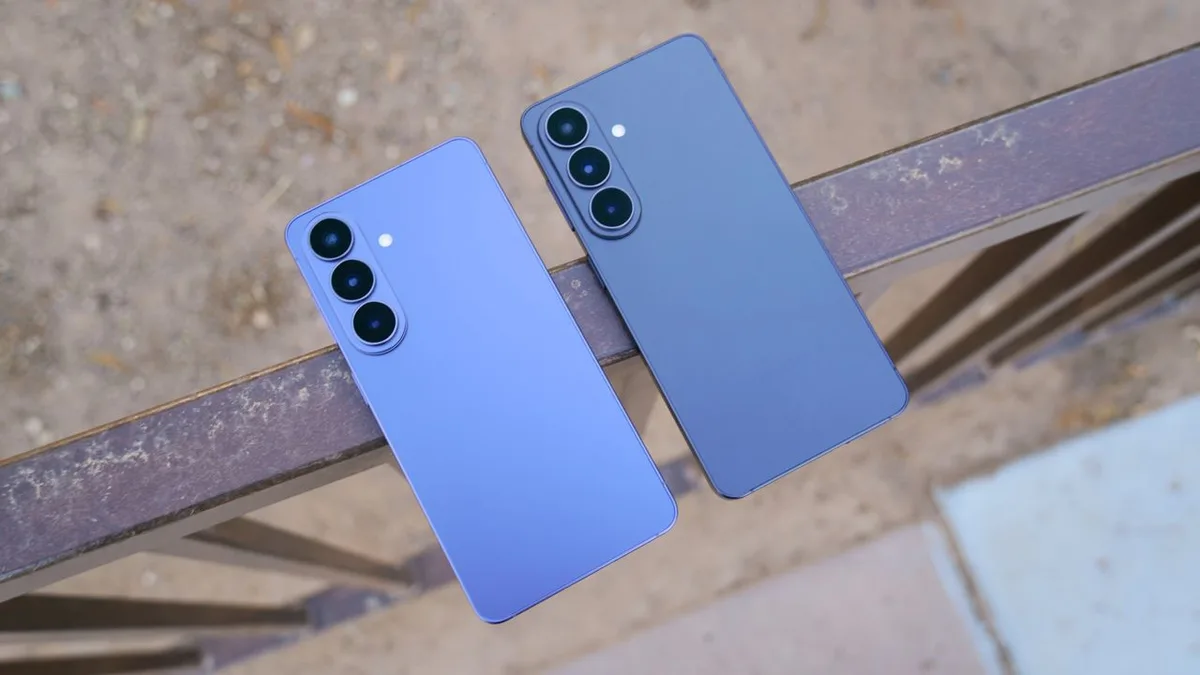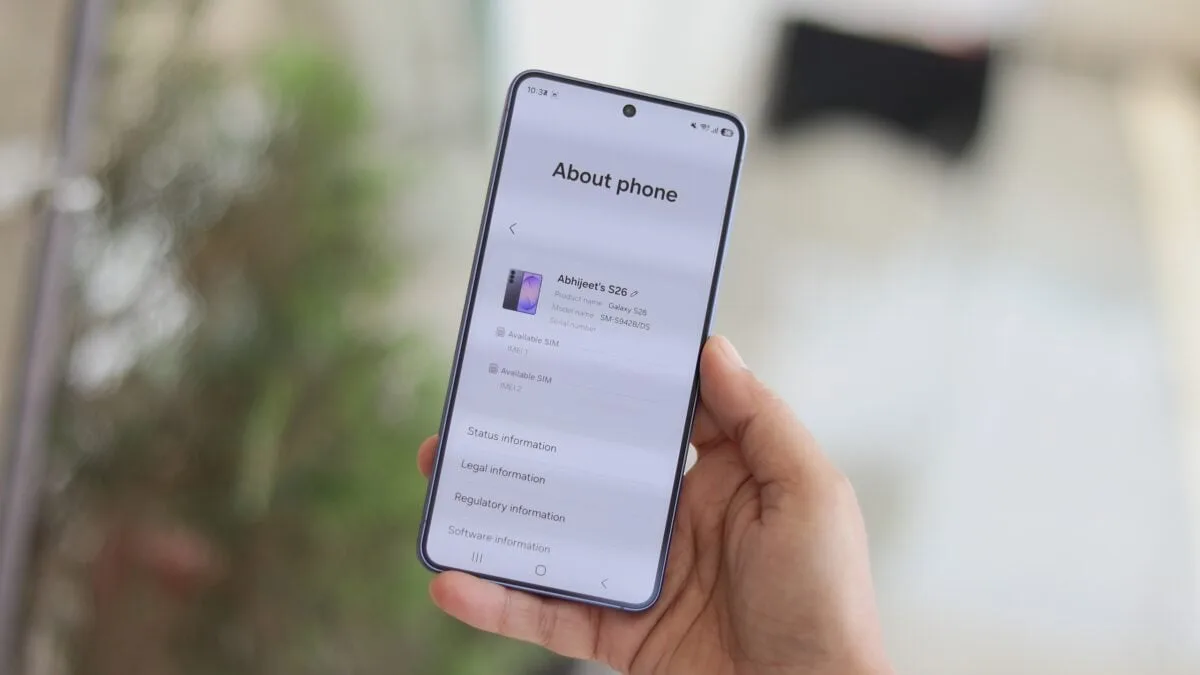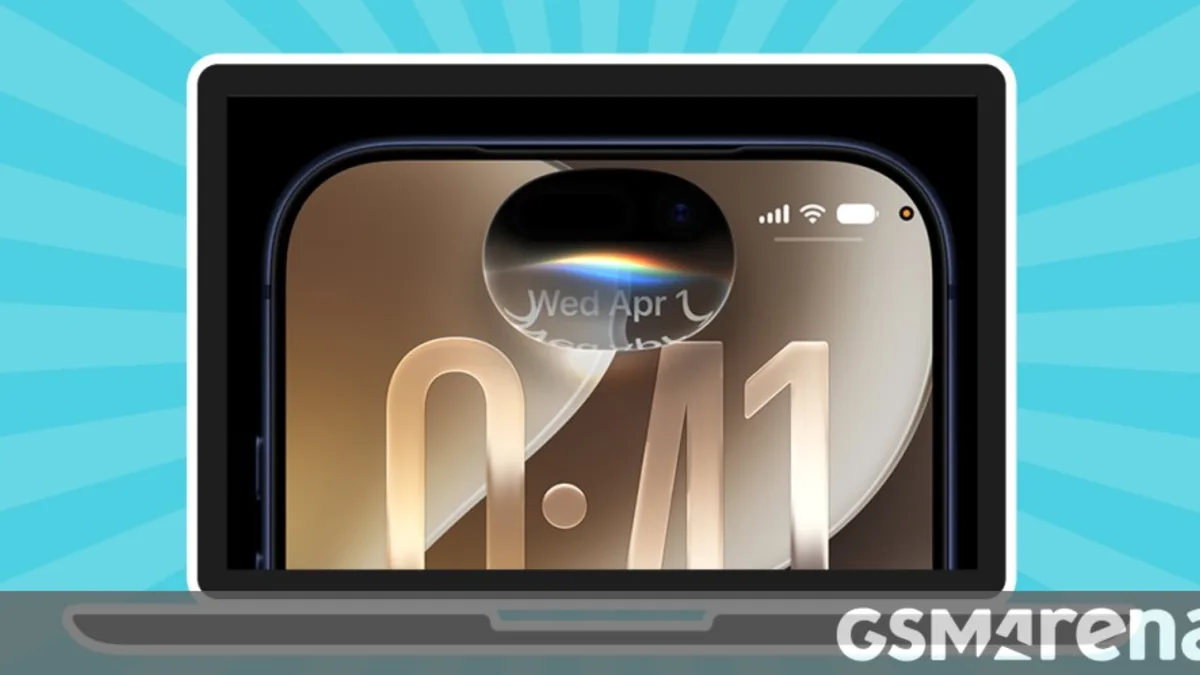
The Galaxy S27 is already entering the conversation, which says a lot about how fast the flagship phone cycle now moves. Samsung has not even had a quiet stretch between one generation and the next, yet early leak chatter is enough to place the S27 beside iOS 27 and other major software news in the latest weekly phone roundup. That does not mean every detail is settled. It means the supply chain, certification trails, and model-number watchers have started their work.
For Samsung, this early phase is sensitive. The company has to balance predictable annual upgrades with a market that increasingly expects visible changes. A faster chip and cleaner camera processing are useful, but buyers are more likely to notice battery life, heat, display comfort, and whether AI tools work without slowing the phone down. The S27 leaks are therefore not just about one future device. They are about what Samsung thinks the next flagship argument should be.
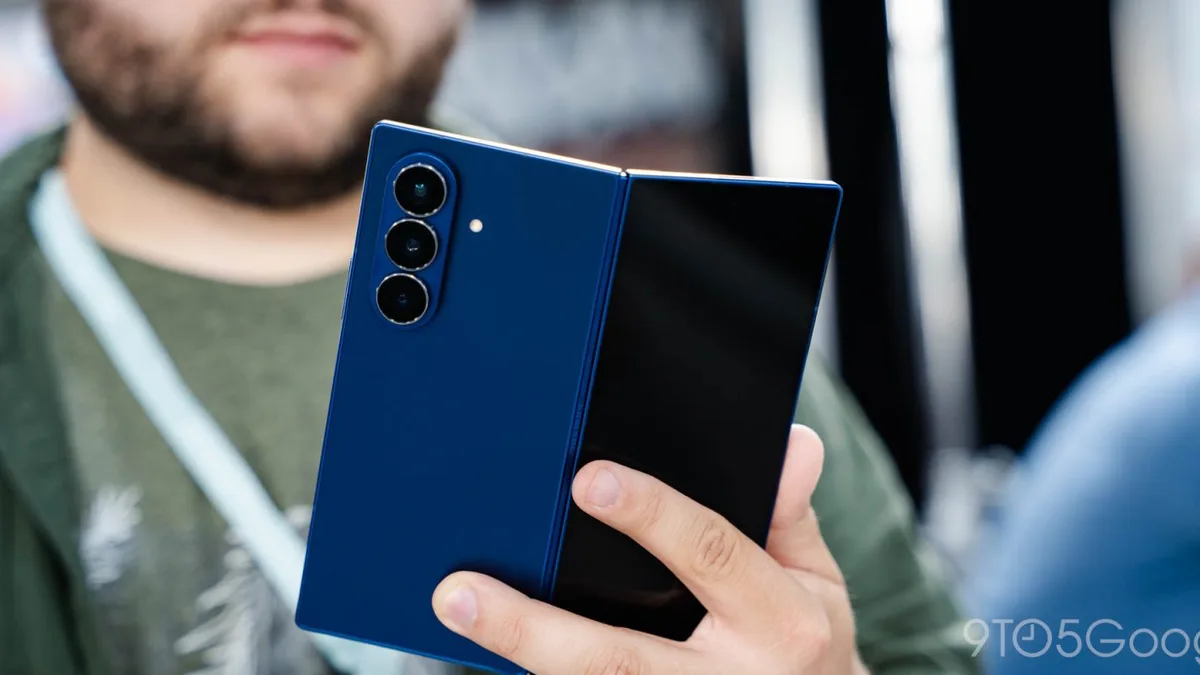
The S-series also now lives beside a louder foldable line. Fold and Flip leaks often create more curiosity because the hardware looks different, while the Galaxy S family has to communicate progress through refinement. That is why recent coverage of Samsung certification leaks matters beyond wearables. Samsung's ecosystem products tend to reveal launch rhythm, naming habits, and regional planning before the company speaks publicly.
GSMArena placed the Galaxy S27 leaks in a busy week that also included Apple's iOS 27 announcements. That pairing is useful because Samsung and Apple are fighting over more than hardware. Software identity, AI features, privacy claims, and long-term update confidence now shape whether users feel locked in or tempted to switch.
The most realistic early expectation is that the Galaxy S27 line will be judged on execution rather than surprise. Samsung needs a camera system that handles motion and skin tones better in everyday scenes, a processor plan that avoids regional disappointment, and battery life that does not depend on turning off the features people bought the phone to use. If the company can package those improvements cleanly, the S27 can feel important even if the outer design stays familiar.
There is also a messaging challenge. AI features are everywhere, but users are becoming more skeptical of vague promises. If Samsung wants the S27 to stand out, it will need to show where Galaxy AI actually saves time on-device, protects private data, or connects phone, watch, earbuds, and tablet in ways that feel natural. A flagship phone can no longer win by being powerful in the abstract.
Early leaks should always be treated cautiously. Model numbers, prototype details, and supplier notes can change, and Samsung can adjust regional names or configurations late in development. Still, the appearance of S27 chatter this early is a reminder that flagship planning is continuous. The phones people will buy next year are already being shaped by component decisions happening now.
That is why this leak cycle is worth following even before the exciting renders arrive. It will show whether Samsung is preparing a conservative S27, a camera-focused correction, or a more ambitious AI-first phone. The answer will matter for Android buyers who want a reliable slab flagship while the rest of the market experiments with folds, ultra-thin frames, and new shapes.