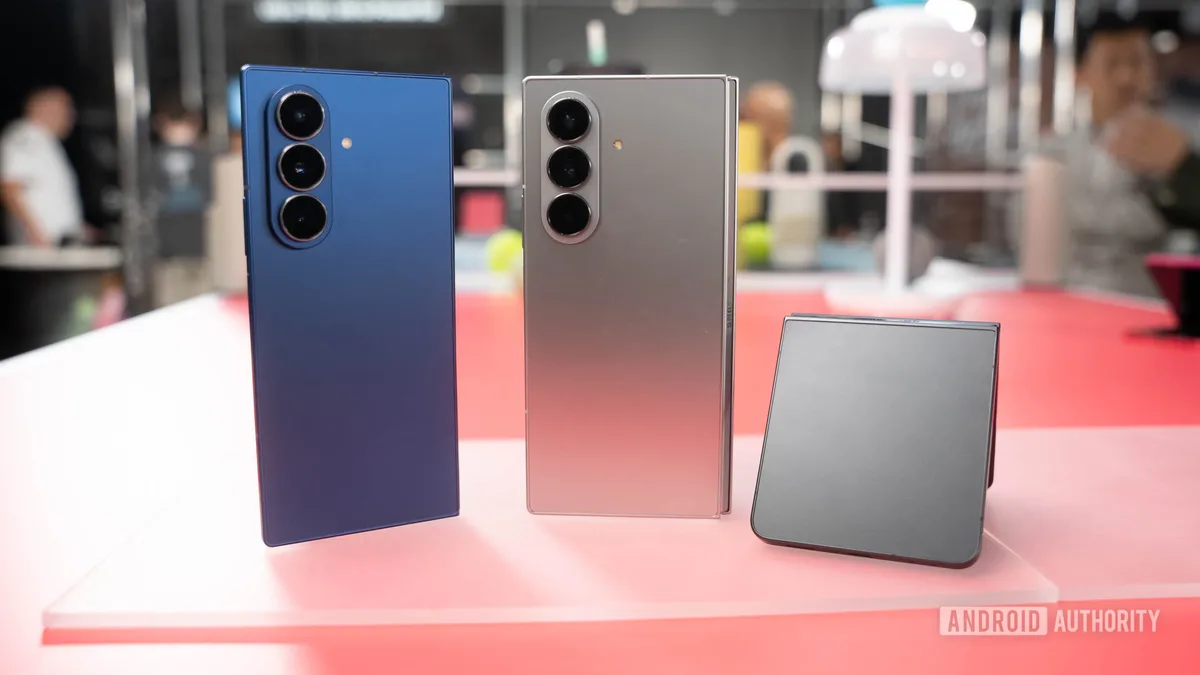
Samsung's foldable phones have reached the point where the biggest improvements are no longer only about faster chips or brighter displays. The daily feel of the main screen now matters just as much. A fresh supply-chain leak claims Samsung is testing a 60-micron ultra-thin glass layer for future Fold hardware, and that one material change could do more for confidence than another small camera update.
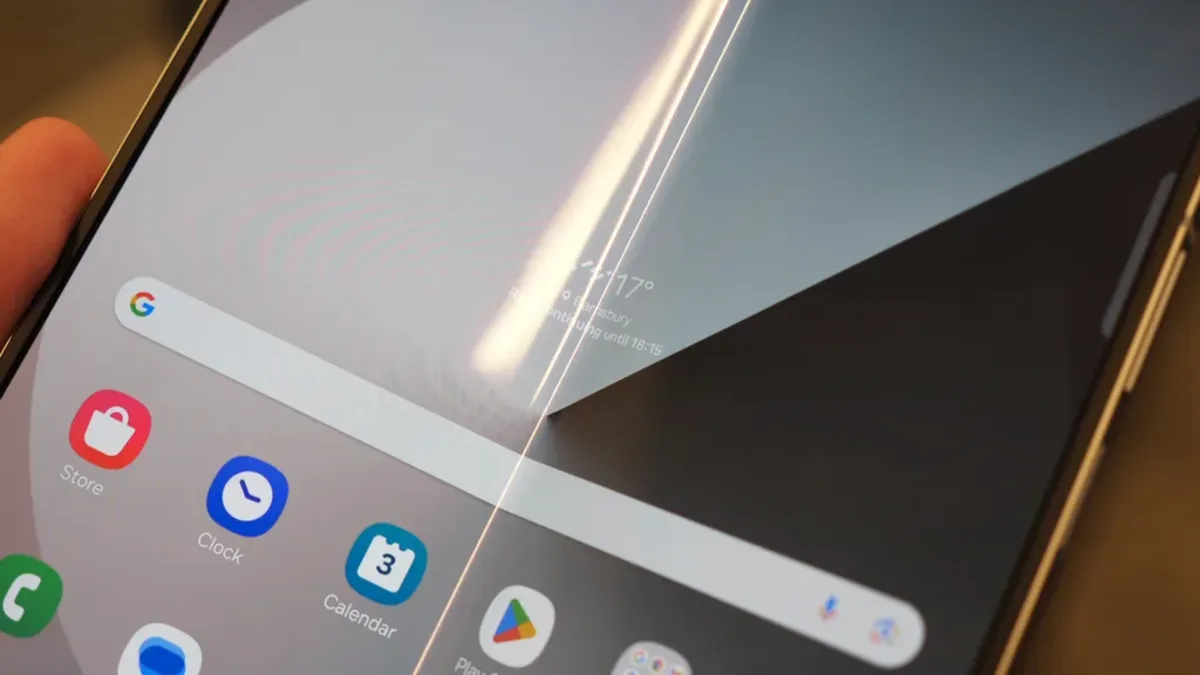
The reported glass is thicker than the 45-micron layer associated with recent Galaxy Fold models, and the reason is practical. Foldable buyers still notice the center crease, still worry about long-term pressure marks, and still handle the inner display more carefully than they would a slab phone. If Samsung can make the crease less visible while also improving toughness, the Fold line gets closer to feeling like a normal premium phone rather than a delicate luxury experiment.
The timing also fits Samsung's broader foldable roadmap. Earlier leaks around the Galaxy Z Fold 8 Wide suggested that Samsung is testing wider shapes, lighter builds, and more comfortable multitasking layouts. A stronger UTG stack would support that direction, because a wider display asks users to treat the device more like a compact tablet. The more tablet-like it becomes, the less patience people will have for visible compromises.
According to Gizmochina, Samsung may use the thicker glass first on a wide-format model before pushing it deeper into the Fold line. That would be a sensible way to test yield, durability, and user reaction without changing every SKU at once. It also gives Samsung room to separate the standard Fold, Ultra-style Fold, and wider Fold concepts more clearly.
The tradeoff is that display layers do not exist in isolation. A thicker glass sheet may need hinge tuning, new adhesive behavior, different protective film choices, and careful thermal expansion testing. Foldables live through thousands of open-and-close cycles, pocket pressure, thumbnail taps, stylus questions, and accidental drops. If one layer improves while another becomes more stressed, the benefit can disappear. Samsung has enough manufacturing experience to know this, which is why a gradual rollout would make sense.
For buyers, the leak says Samsung is still treating foldable durability as a live engineering problem rather than a finished checklist item. That matters because people considering a Fold are often not asking whether the hardware is impressive. They are asking whether it is safe to spend flagship money on something with moving parts. A less visible crease is not just cosmetic; it can make the device feel less temporary.
It also shows how foldable competition is forcing a different kind of progress. Chinese brands have pushed thinner bodies and wider displays, while Samsung has leaned on software polish and distribution strength. A more durable display layer would give Samsung a hardware answer that is easy to understand in a store, in reviews, and in long-term ownership stories.
The leak is still unofficial, so the Galaxy Z Fold 9 could change before launch. But if the 60-micron UTG plan holds, Samsung's next major foldable story may be less about spectacle and more about removing the small doubt that follows every crease. That is exactly the kind of invisible improvement that can make an expensive foldable feel easier to recommend.