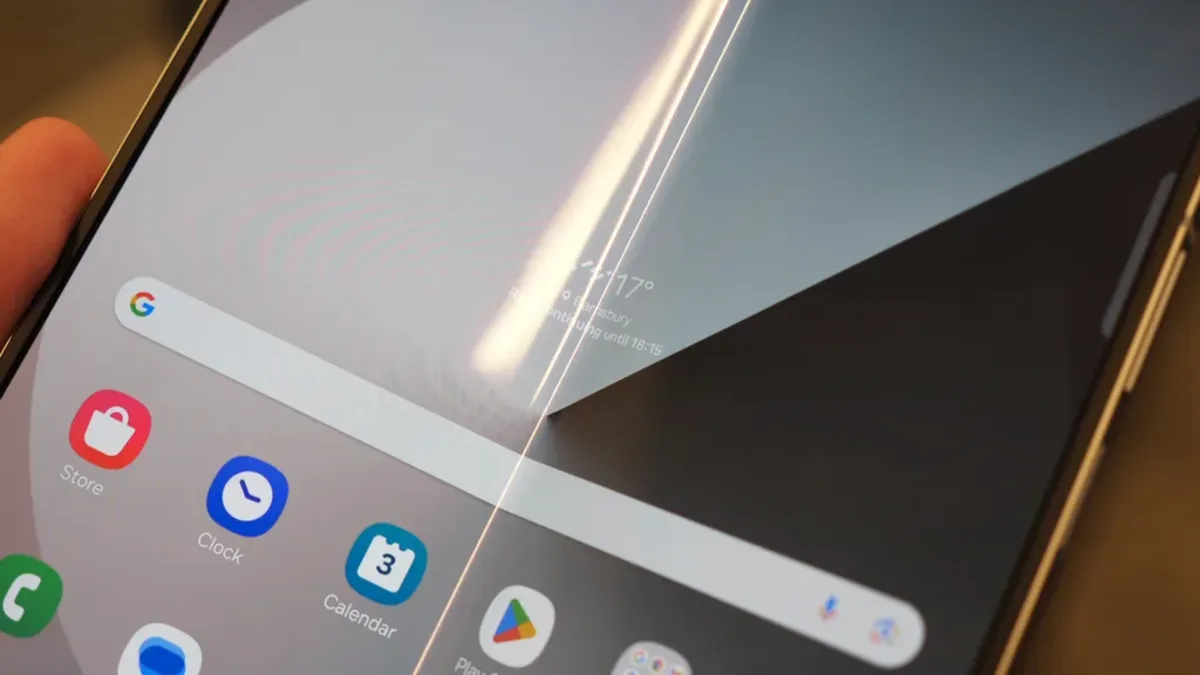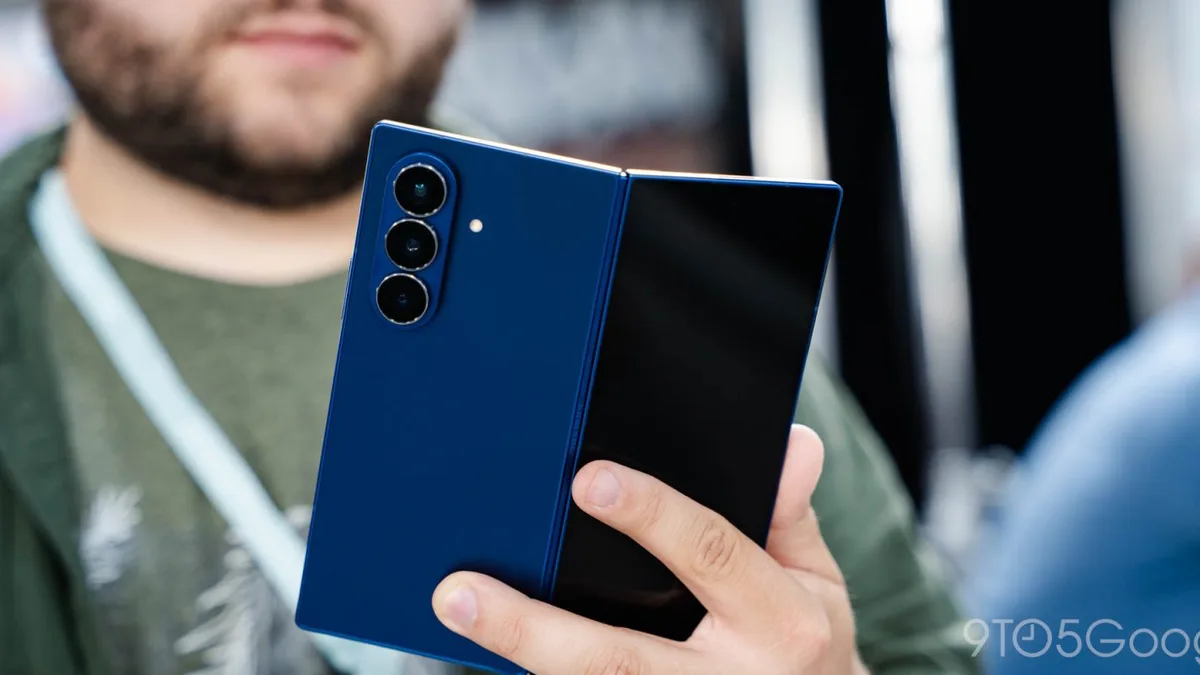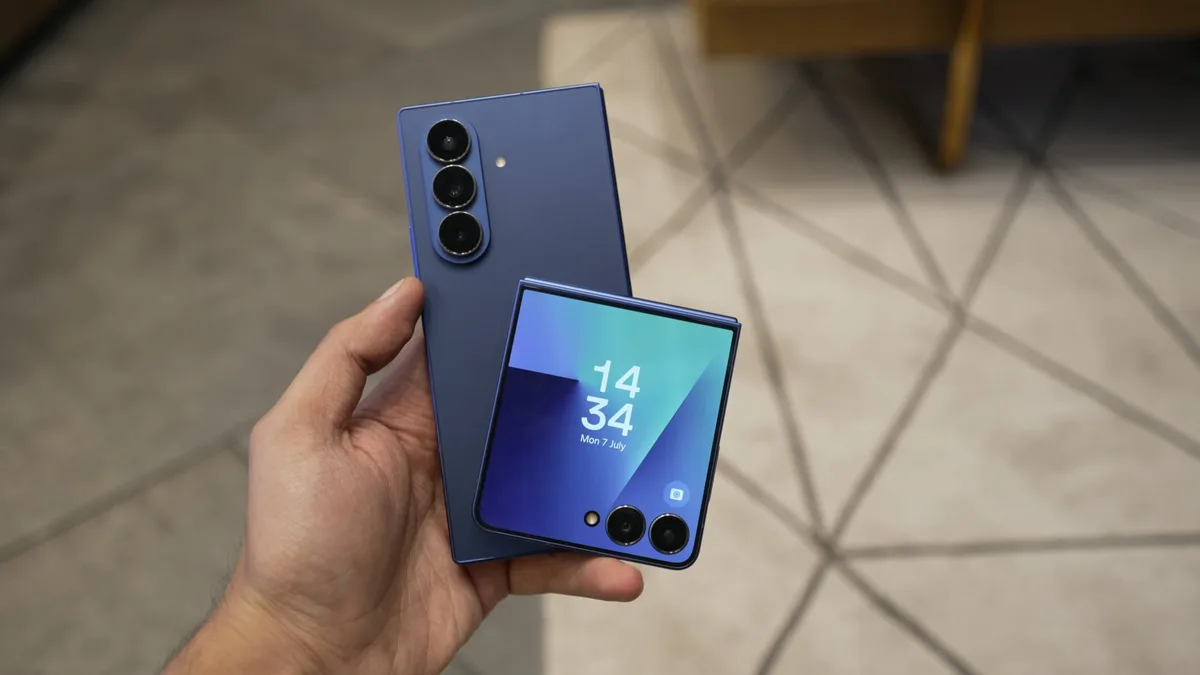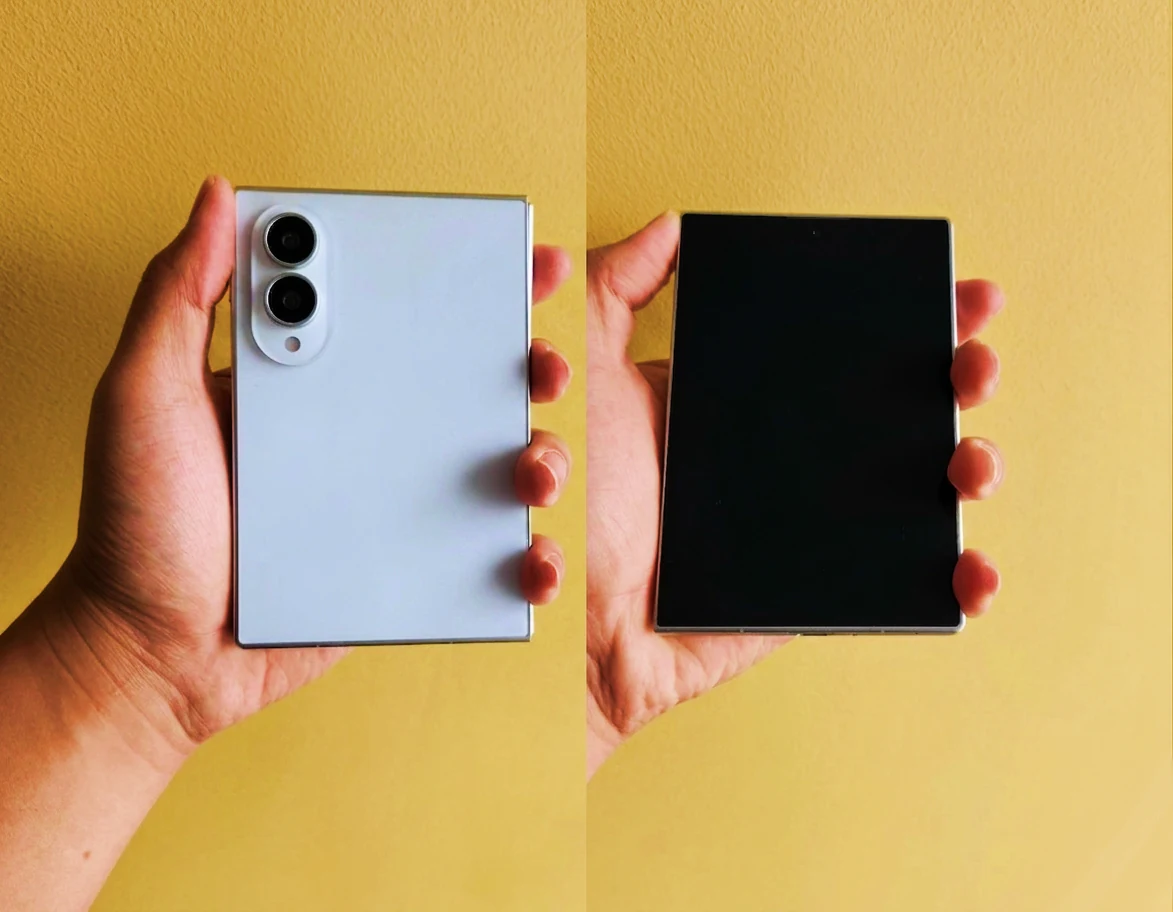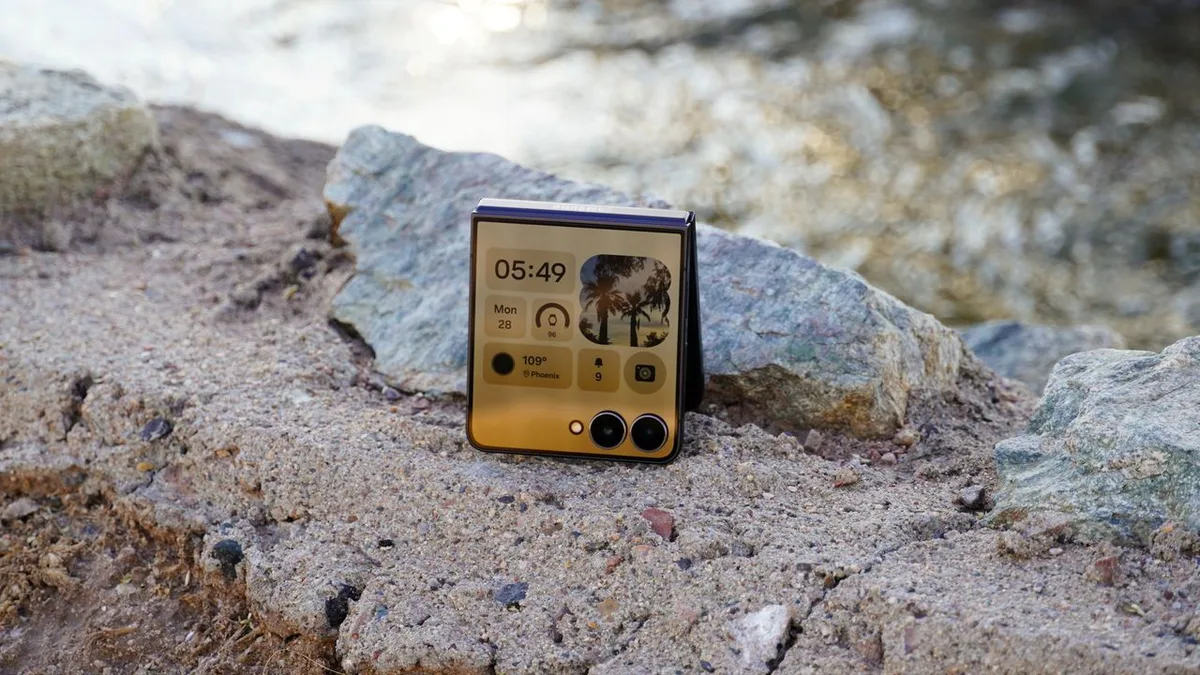
The Galaxy Z Flip line has become Samsung's most approachable foldable, but the next model is no longer guaranteed an easy upgrade story. Fresh buying advice around the Galaxy Z Flip 8 shows how different the clamshell market feels now: people are not simply waiting for a folding phone to exist. They are asking whether the next Flip will justify waiting, paying more, and living with the same small compromises that have followed the format for years.
That is the important shift. A Flip used to be sold on charm. It folded shut, fit in a smaller pocket, and made a phone feel personal again. Now buyers compare cover-screen usefulness, camera quality, dust resistance, battery life, repair costs, software promises, and launch promotions. If pricing moves up while the visible upgrades stay modest, Samsung could find that its most fashionable foldable has to work harder to feel like a smart purchase.
The concern is especially clear because Samsung's foldable roadmap is already crowded. Rumors around wider Fold models, Ultra branding, and new display materials can pull attention away from the Flip. The company also has to manage overlap with regular Galaxy S phones, which usually deliver better cameras and battery life for less money. Our recent Galaxy Z Fold 8 and Flip 8 case leak coverage showed that even small design changes now get watched closely because buyers want proof that Samsung is not standing still.
Android Central framed the choice as a wait-or-buy question, and that is exactly where the Flip 8 rumor cycle becomes interesting. If someone needs a phone now, last year's Flip can become attractive once discounts start. If someone is foldable-curious but cautious, waiting for the Flip 8 only makes sense if Samsung delivers clearer gains in durability, display behavior, battery endurance, or camera processing.
The cover display remains the most important everyday battleground. A clamshell phone succeeds when the outside screen saves time instead of feeling like a novelty. Quick replies, wallet access, camera framing, music control, maps, calendar checks, and glanceable AI summaries can make the folded state useful. If Samsung expands that experience while keeping it controlled and reliable, the Flip 8 can feel more mature even without a dramatic redesign.
Battery life is the harder issue. Thin folding halves leave less room for cells, and users who buy the Flip for its personality still expect full-day reliability. A more efficient chip, brighter-but-smarter display tuning, and better background management could matter more than a flashy spec bump. The problem is that battery gains are less exciting in marketing unless Samsung can turn them into a simple claim people trust.
Price will decide how forgiving the market is. If the Flip 8 lands higher than expected, Samsung will need strong trade-in deals and carrier offers to keep it feeling accessible. If the price holds steady, the device can survive a more iterative year. The foldable category is still premium, but the Flip has always been the model that made it feel reachable.
The current rumor watch does not make the Galaxy Z Flip 8 look weak. It makes the phone look exposed to normal consumer pressure, which is what happens when a new form factor grows up. Samsung no longer gets credit for folding glass alone. The next Flip has to be better at being a phone, not just better at closing shut.