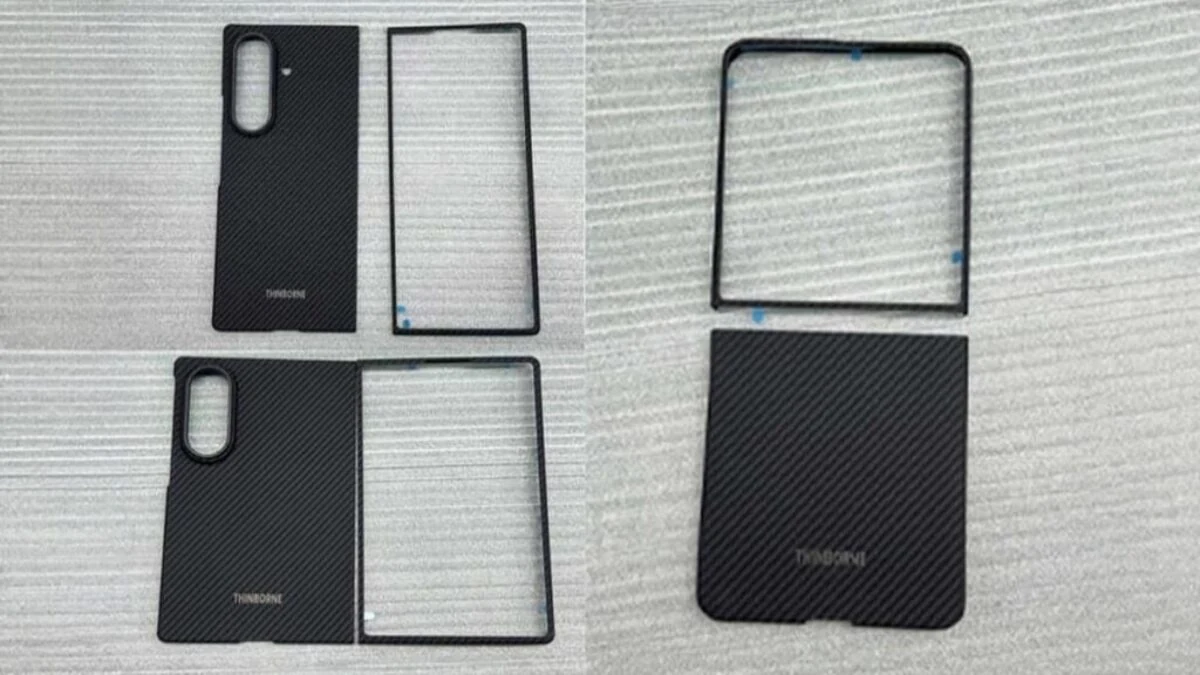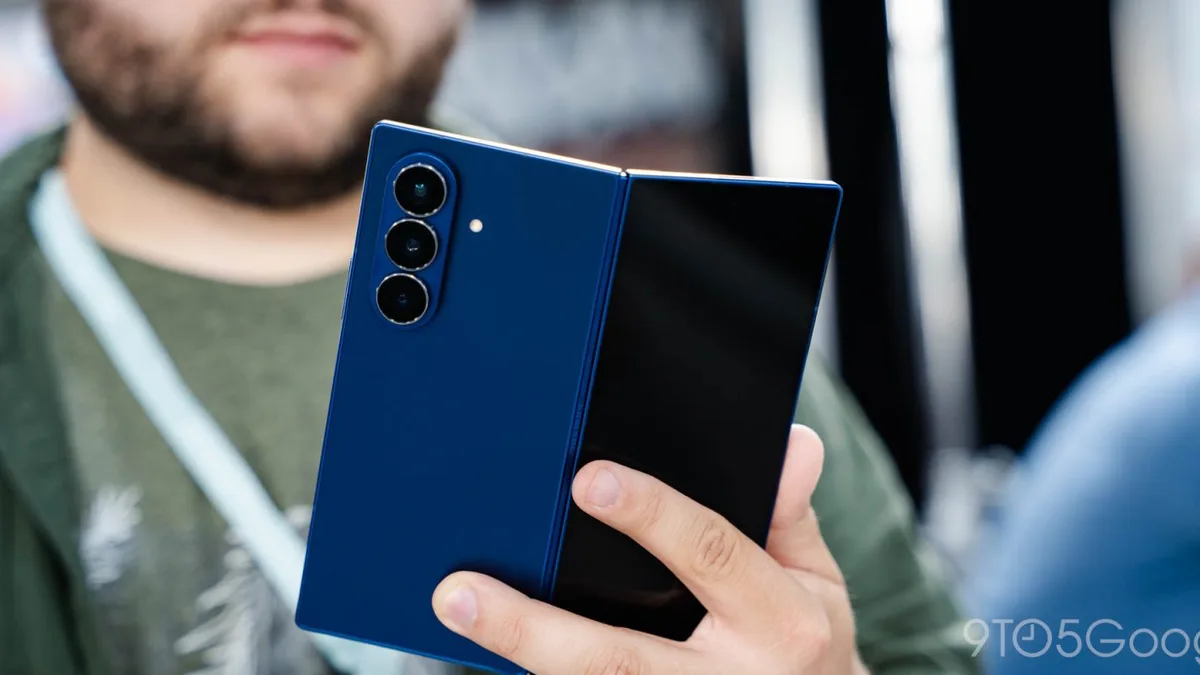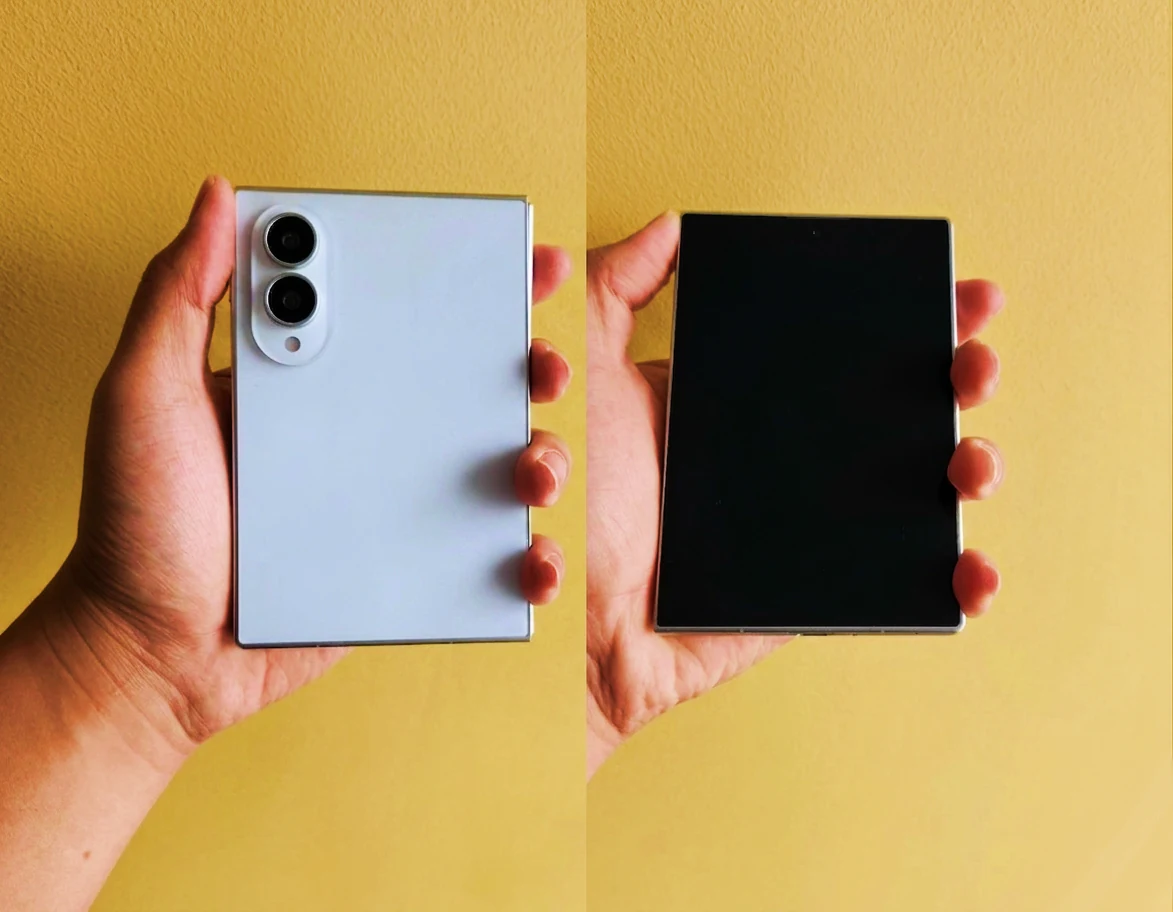
Samsung's foldable roadmap may be splitting into more clearly defined models. Notebookcheck reported on design-model details for a Galaxy Z Fold 8 Wide, including a broader layout, a 201-gram target weight, a larger battery claim, a new camera direction, and talk of a display that reduces the crease problem that has followed foldables since the beginning.
The leak stands out because it describes a phone aimed at comfort, not just spectacle. Samsung's Fold line has always had a strong inner display, but the narrow cover screen on earlier generations made the closed phone feel compromised for typing, browsing, and one-handed use. A wider model would address that issue directly. It would also make Samsung's foldable feel less like a special-purpose tablet and more like a normal phone that happens to open.
Why width is the story
Foldable design is a chain of tradeoffs. Make the cover display wider and the inner screen shape changes. Make the battery bigger and weight rises. Make the hinge thinner and durability questions get louder. That is why a leak claiming both a wider design and a lighter body is interesting. If Samsung can keep the Fold under the weight of many slab flagships while improving the closed-phone experience, the practical case for foldables gets stronger.
| Reported area | What changes | Why it matters |
|---|---|---|
| Cover screen | Wider shape than older Fold models. | Typing and browsing could feel more natural when closed. |
| Weight target | About 201 grams in the reported design model. | A lighter Fold is easier to carry every day. |
| Battery claim | Bigger capacity is part of the rumor. | Foldables need endurance because two displays invite heavier use. |
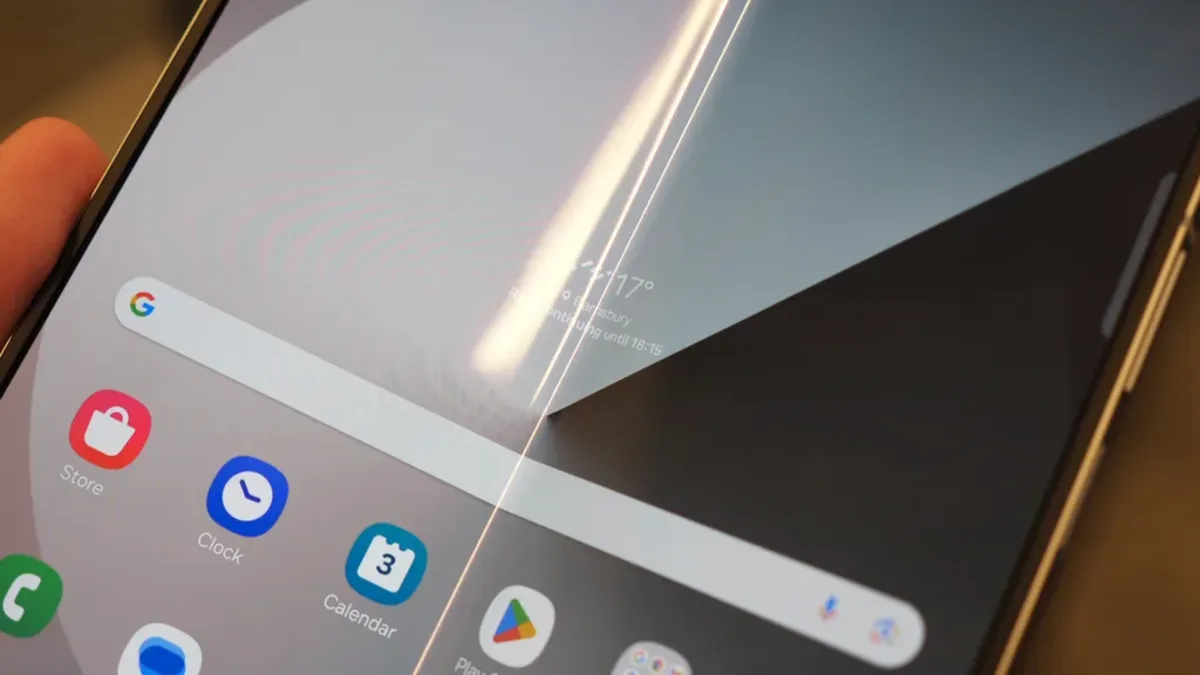
| Crease talk | Reduced-crease language appears in the report. | The inner panel would feel more mature if reflections are less distracting. |
This is also a competitive response. Chinese foldables have pushed hard on thin bodies, large batteries, and more conventional outer screens. Samsung still has distribution, software polish, and brand trust in many markets, but hardware ambition matters. A Galaxy Z Fold 8 Wide would show that Samsung is not merely iterating on the same silhouette.
The camera rumor is worth treating carefully. Foldables are hard camera phones because the body is thin, the hinge uses space, and the inner structure limits how much hardware can be stacked. A "new camera" reference does not automatically mean an Ultra-grade camera system. It could mean a revised module layout, a sensor swap, or a camera bump shape that works with the wider body.
The bigger question is how Samsung separates the Wide model from any Ultra, standard Fold, or special edition. Too many foldable names can confuse buyers, but a clear split could help. One model can chase thinness and everyday comfort; another can chase the most premium parts. The important thing is that each version needs a simple reason to exist.
For buyers, the safe conclusion is that Samsung appears to be working on the parts of foldables people notice after the launch excitement fades: pocket weight, closed-screen usability, battery confidence, and crease visibility. If those details improve together, the Fold 8 generation could feel like a more serious mainstream device rather than a beautiful compromise.