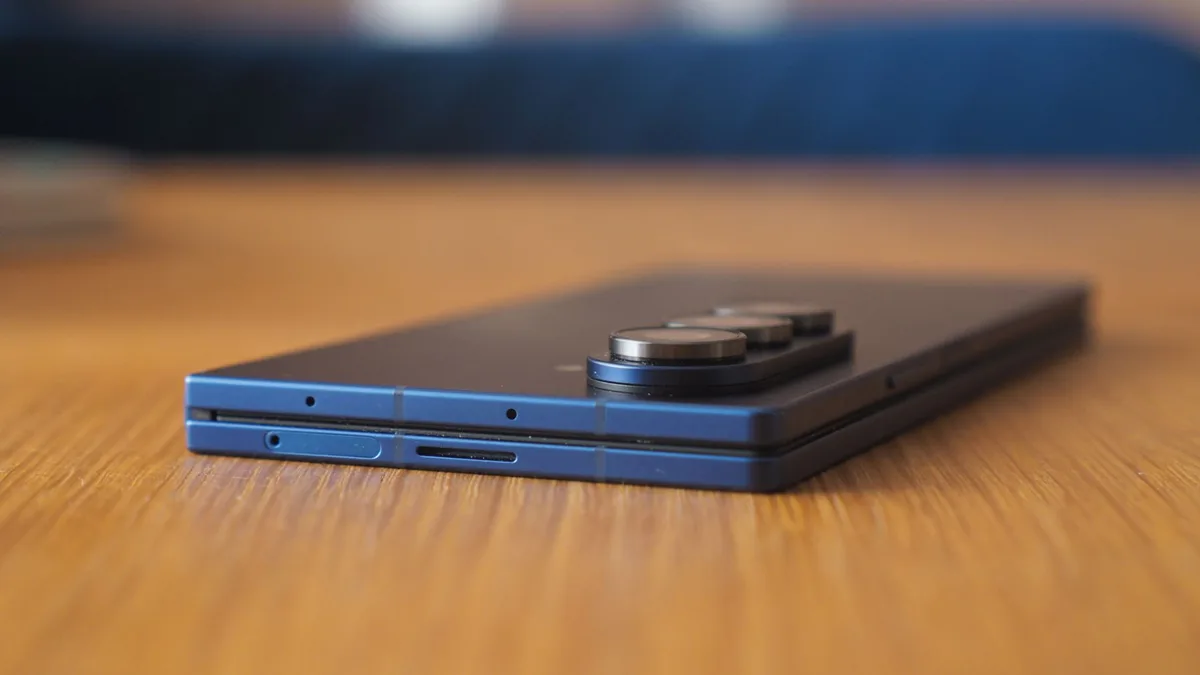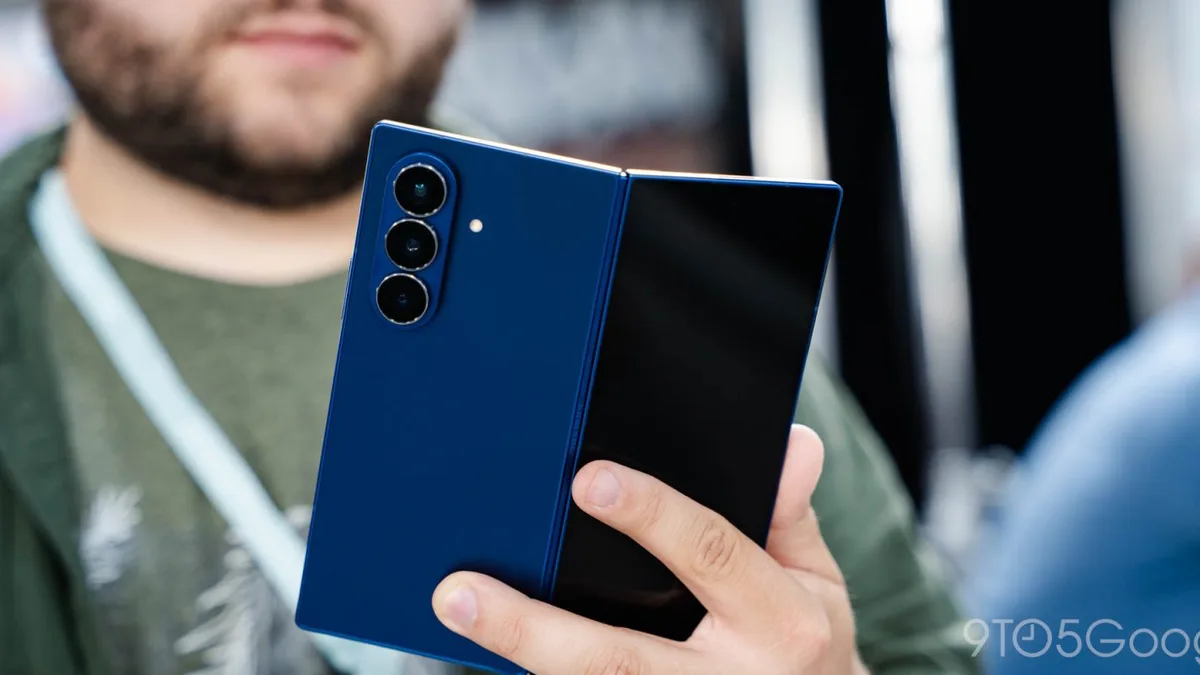
Samsung may be walking into a branding problem with the rumored Galaxy Z Fold 8 Ultra. The word Ultra carries a heavy promise in Samsung's phone lineup. On the Galaxy S series, it usually means the biggest screen, strongest camera system, highest price, and least compromise. On a foldable, that promise becomes harder to keep because the best hardware choices may not all fit inside one thin, folding body.
The debate matters because Samsung is reportedly exploring several foldable directions at once. A wider Fold could make reading, typing, and multitasking more natural. A thinner model could feel better in a pocket. A stronger display stack could reduce crease concerns. An Ultra version might want superior cameras and a bigger battery. The issue is that each priority fights for space, weight, heat, cost, and hinge geometry.
That is why the rumored Ultra name needs careful handling. If Samsung calls a Fold model Ultra but leaves another model with the more useful screen shape or better durability experiment, buyers may feel the name is doing more work than the product. We have already seen how much attention a single design rumor can attract in the Galaxy Z Fold 8 Wide discussion, because people want a Fold that feels less cramped before they ask for luxury extras.
9to5Google raised the concern that a Galaxy Z Fold 8 Ultra could become frustrating if Samsung's product split makes the most expensive model feel less clearly superior. That is not just a naming complaint. It is a buying problem. Foldables are expensive enough that customers need a simple reason to understand which model is the best fit.
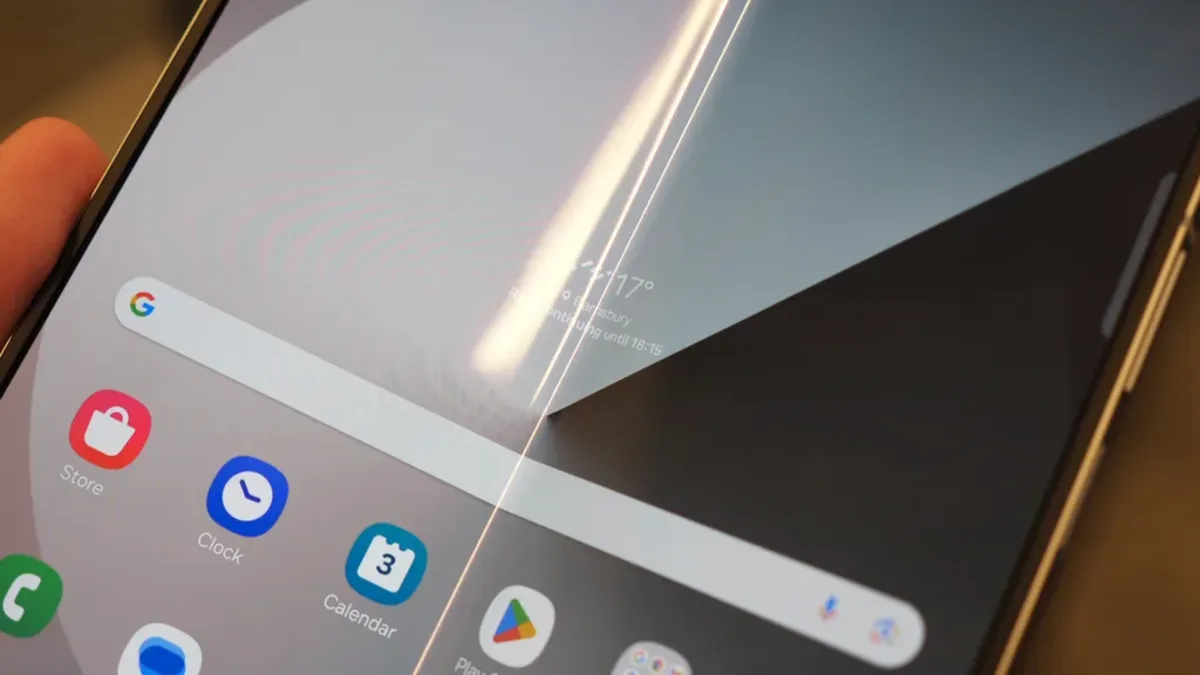
The Fold line has always been a compromise machine, even at its best. It gives users a tablet-like inner display, but it also asks them to accept thickness, a crease, dust worries, narrower cover-screen typing, and sometimes weaker cameras than a slab flagship at a similar price. Ultra branding works only if Samsung removes enough of those compromises to make the label feel earned.
Cameras are the obvious test. Many users expect an Ultra phone to deliver Samsung's top imaging hardware, but foldables have historically lagged behind the S Ultra because camera modules need depth. If Samsung cannot bring flagship zoom and sensor quality to the Fold 8 Ultra, it should avoid pretending that the name means the same thing across product families. A foldable Ultra may need its own definition: best multitasking, best display, best hinge, best productivity.
The software side could help. A Fold Ultra that handles app continuity better, offers desktop-like multitasking, improves stylus workflows, and uses AI to summarize, translate, and arrange information across a large screen could justify its place even without the absolute best camera. But Samsung would need to explain that value clearly instead of relying on a familiar suffix.
For now, the rumor is useful because it exposes Samsung's next foldable challenge before launch. The company has more foldable options than ever, but more options create more confusion. If Ultra means everything, it risks meaning very little. Samsung's job is to make the Fold 8 family feel intentionally segmented, not like a set of compromises wearing premium names.