Xiaomi fans have long used a simple workaround to preview new features before they officially reach global phones: install China system apps on a global ROM. That trick has been useful for people who want early Gallery, launcher, settings, or camera features without waiting for the slower international rollout. The HyperOS 4 report suggests that shortcut may become less reliable. If Xiaomi removes English resources from China-only apps or changes how those packages depend on the China firmware stack, global users could lose one of the easiest ways to experiment.
The change would make sense from Xiaomi's side. HyperOS is not just a skin anymore. Xiaomi is using it to connect phones, tablets, cars, wearables, and smart home devices. A feature built for the China ROM may depend on services, legal wording, cloud hooks, or regional permissions that do not exist globally. Letting users sideload those pieces can create bugs that look like Xiaomi failures even when the company never meant the feature to be used outside China. HyperOS 4 may simply tighten that boundary.
For enthusiasts, the frustration is obvious. Xiaomi often tests its best interface ideas in China first, and global users do not want to wait months for polished versions. Our Xiaomi 17T coverage showed how quickly new hardware and software builds now move through China before the rest of the world sees them. If HyperOS 4 closes the sideload path, global owners will have to rely more on official builds and less on community experimentation.
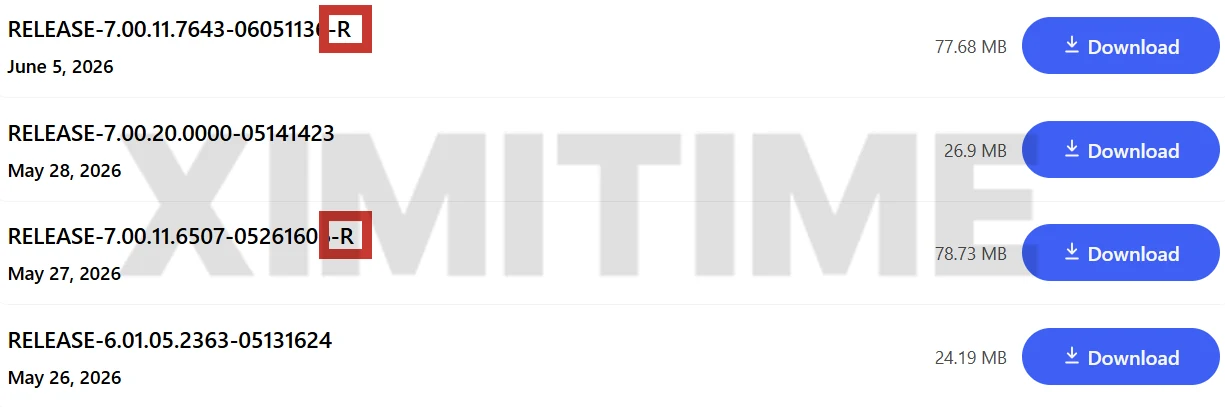
The report from XimiTime points to Xiaomi's Rust and Flutter based app rebuilds as a reason the old approach could break. The example is the Gallery app, where a faster Rust version may not be ready for global firmware even if it appears in China. HyperOS 4 is also expected to bring a more transparent visual style, so the demand for early access will be high. Xiaomi has to balance that enthusiasm against stability. The cleaner answer would be a proper global beta channel for system apps, because blocking sideloads without offering a safer test path will only push users toward riskier unofficial builds.
There is a good argument that Xiaomi should separate curiosity from production reliability. Enthusiasts want to test new apps, but regular users want their phones to stop breaking after unofficial sideloads. A formal preview channel could serve both groups. Xiaomi could mark early apps clearly, limit them to supported models, collect feedback, and avoid the confusion that happens when China-only builds are installed on global phones. That would be more controlled than leaving users to hunt APK files in forums and Telegram groups.
The risk is that a hard regional wall makes global users feel like second-class customers. Xiaomi already faces criticism when major features arrive first in China and much later elsewhere. HyperOS 4 will be judged not only by its visual changes, but by how fast those changes reach global devices in stable form. If the gap is short, fewer people will miss the old workaround. If the gap stretches for months, the community will keep looking for ways around it.