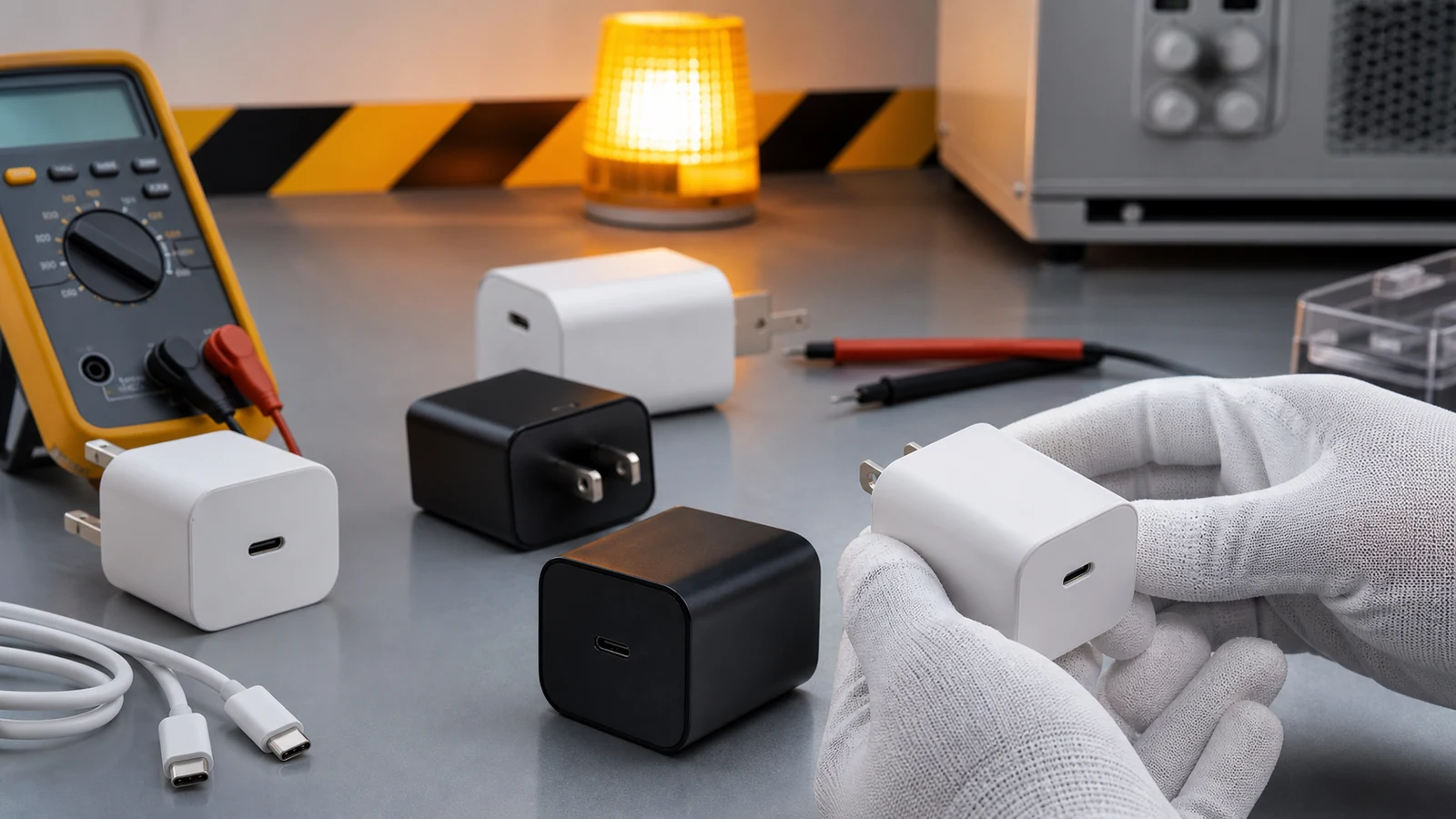
Phone chargers are easy to underestimate because they look simple and cheap. A small plug, a cable, and a familiar connector can make almost any charger feel harmless. The latest warning about knockoff chargers is a reminder that charging hardware is electrical equipment, not a throwaway accessory.
The risk is growing because modern devices ask more from chargers than older phones did. Fast charging, laptops over USB-C, tablets, earbuds, watches, power banks, and handheld gaming devices all push consumers toward higher-wattage adapters. When counterfeit or poorly built chargers copy the look of trusted products without proper safety design, the danger is not theoretical.
Bad chargers can fail in several ways. They may overheat, deliver unstable voltage, lack safe insulation, skip proper certification, or use low-quality internal components. The result can be electric shock, fire, device damage, or battery stress. A cheap charger is not cheap if it destroys a phone or creates a home safety risk.
TechRadar reported on a Which? warning about potentially lethal knockoff phone chargers sold through Amazon Haul, B&Q, and eBay, with risks including electrocution and explosions. The report is a useful reminder that marketplace convenience can hide major quality differences.
Why buyers get caught
Counterfeit chargers work because they exploit familiar shapes and logos. Many people do not inspect packaging, certification marks, plug construction, or seller history. If the adapter looks like a branded charger and costs less, it feels like a sensible purchase. That is exactly where the risk starts.
The issue also connects to the broader smart-home and connected-device world we covered in our home automation security guide. More connected devices mean more plugs, hubs, cables, and power accessories around the house. The safety of the invisible support hardware matters as much as the gadget itself.
Retailers and marketplaces need stronger enforcement, but buyers should still be cautious. Buying from known sellers, checking model numbers, avoiding prices that look too good, and using chargers from the device maker or a reputable accessory brand can reduce risk. Certification marks should be treated as a starting point, not decoration.
USB-C has made charging more convenient, but it has also made the market more confusing. One cable or charger can physically fit many devices while still being wrong for the job. Wattage, cable quality, power delivery support, and safety design all matter. A charger that works once is not necessarily safe long-term.
The practical takeaway is simple: chargers should be treated like important hardware. A phone, tablet, or laptop may be the visible product, but the charger is what connects it to mains power every day. Saving a few dollars on that part can be the worst bargain in the gadget drawer.
Manufacturers can help by making replacement chargers easier to identify. Clear product pages, model compatibility lists, official storefront links, and visible safety documentation reduce the chance that buyers wander into suspicious marketplace listings. The industry removed chargers from many phone boxes partly for environmental reasons, but that choice also pushed more people into the accessory market. That market now needs cleaner signals.